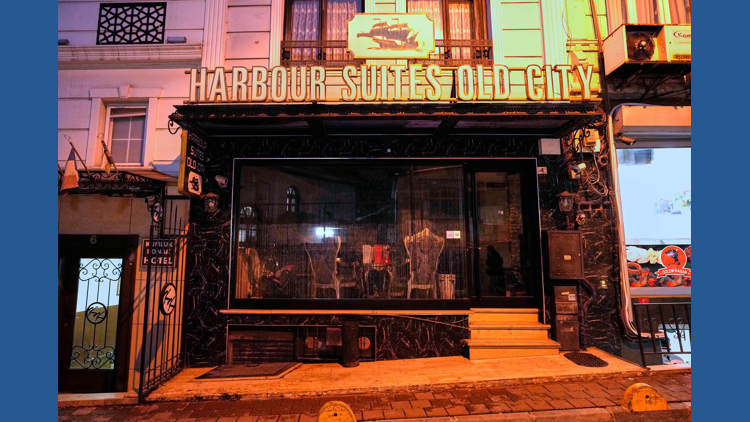
URGENT UPDATE: A tragic incident has claimed the lives of a Turkish-German family of four, who were likely poisoned by toxic gas in their hotel room in Istanbul, Turkey. Preliminary autopsy reports indicate the gas was emitted from pesticides used in the hotel, highlighting critical safety concerns.
The Bocek family, visiting from Germany, checked into a hotel in Istanbul’s Fatih district on November 12, 2025. Shortly after their arrival, they began experiencing severe health issues and were taken to a hospital by taxi. Despite receiving treatment, they returned to the hotel, only to fall ill again. The family’s children, Kadir Muhammet, aged 6, and Masal, aged 3, tragically died on November 13. Their mother, Cigdem Bocek, succumbed to her condition on November 14, and their father, Servet Bocek, passed away on November 17.
A preliminary investigation by authorities found dangerous levels of phosphine gas, a pesticide byproduct, on towels and other surfaces in the hotel room. This finding, reported by the state-run Anadolu Agency, has led to increased scrutiny over hotel safety practices. Officials have confirmed that food poisoning has been ruled out, dispelling earlier theories regarding the family’s illness stemming from street food consumed during their visit.
In a related development, two other tourists staying at the same hotel reported symptoms of nausea and vomiting and were subsequently hospitalized. The alarming circumstances surrounding the Bocek family’s deaths have resulted in the arrest of 11 individuals connected to the hotel’s operations, as authorities work to uncover more details about the incident.
The hotel has been shut down pending further investigation, and calls for stricter oversight of health and safety standards in hospitality establishments are growing louder. Families traveling to tourist destinations are urged to remain vigilant and informed about safety conditions.
As this story develops, further updates will be provided. The tragic loss of the Bocek family serves as a stark reminder of the potential dangers that can lurk behind seemingly safe environments.