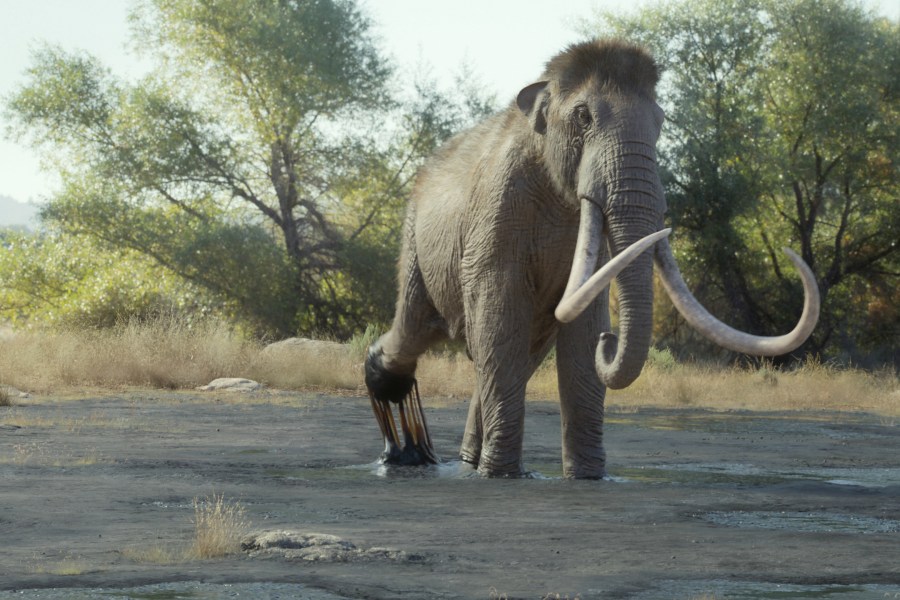
The new documentary series, Prehistoric Planet: Ice Age, available on Apple TV, uncovers a vastly different reality of the Ice Age compared to popular animated films. While many viewers may be familiar with the light-hearted portrayals in the “Ice Age” series, this documentary reveals a world dominated by extraordinary and often terrifying creatures that roamed the Earth during a time of significant climatic upheaval.
Contrary to the whimsical characters seen in the films, the Ice Age was characterized by a diverse array of animals that included carnivorous kangaroos, towering 14-foot-tall bears, and various prehistoric armadillos. This series takes audiences on a journey through a period marked by dramatic environmental changes, showcasing the survival strategies of these remarkable species.
Unveiling the Real Ice Age
The documentary presents detailed reconstructions of the ecosystems that existed millions of years ago, providing a stark contrast to the animated interpretations. Viewers are introduced to species such as the Diprotodon, a massive marsupial that could weigh up to 2,800 kilograms, and the formidable short-faced bear, which was among the largest terrestrial mammalian carnivores of its time.
By employing advanced visual technology, Prehistoric Planet: Ice Age brings these ancient creatures to life, allowing audiences to witness their behaviors and habitats in a way that has not been achieved before. The documentary is not only educational but also serves as a reminder of the planet’s ever-changing biodiversity.
The creators of the series aimed to present an accurate portrayal of the Ice Age, relying on the latest paleontological research to inform their visual storytelling. This approach has garnered attention from both audiences and experts in the field, as it challenges preconceived notions established by family-friendly films.
Impact and Reception
Since its release, Prehistoric Planet: Ice Age has been praised for its commitment to scientific accuracy and its engaging narrative style. Critics have noted that the series is a significant step toward educating viewers about the ecological dynamics of past eras and the creatures that inhabited them.
The show not only entertains but also sparks discussions about the implications of climate change on modern biodiversity, drawing parallels between past extinction events and current environmental challenges. By showcasing the resilience and adaptability of these prehistoric animals, the series invites viewers to reflect on the importance of preserving today’s wildlife.
As audiences dive into the world of the Ice Age through this innovative documentary, they are encouraged to re-evaluate their understanding of Earth’s history and the creatures that once thrived in a vastly different climate. With its compelling visuals and rich storytelling, Prehistoric Planet: Ice Age stands out as a remarkable contribution to both entertainment and education.