UPDATE: Alaska’s utilities are urgently pushing for liquefied natural gas (LNG) import terminals to address a critical supply gap, but residents could face skyrocketing costs—potentially paying for not one, but two projects. Just announced, this development could significantly impact electricity and heating prices for urban Alaskans.
As planning accelerates for two separate LNG import projects on the Kenai Peninsula, consumers are left grappling with the possibility of paying tens or even hundreds of millions of dollars for infrastructure that may ultimately not benefit them. The looming threat of increased costs is fueled by the need for costly new facilities to import gas, as local production continues to dwindle.
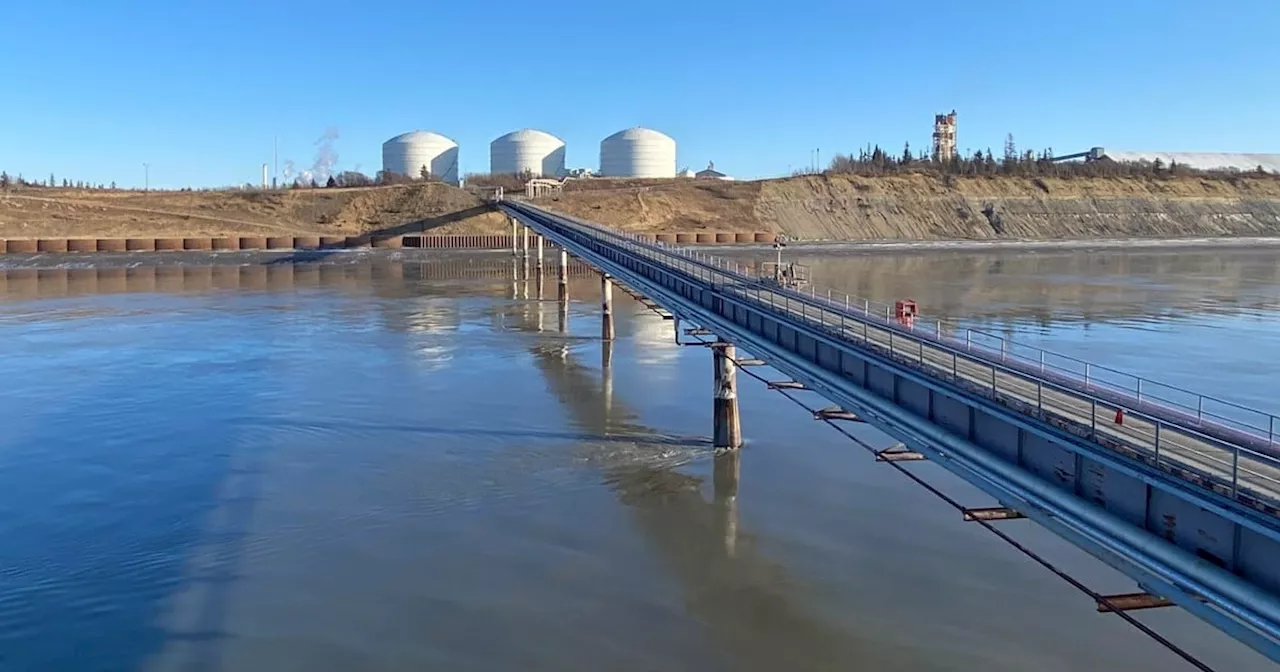
Harvest, an affiliate of oil and gas company Hilcorp, is spearheading one project, which would repurpose a dormant LNG export plant to receive imported gas. This plan could cost upwards of $500 million. Meanwhile, Enstar, the primary natural gas utility serving urban Alaska, is collaborating with Glenfarne on a separate, newly constructed project, which may also reach similar financial heights.
Antony Scott, a former Alaska public utility regulator, warns of the dire implications should both projects proceed: “The ultimate horror show is we end up with two projects. If each project costs a half a billion dollars, then we’re paying half a billion for no reason.” This sentiment echoes throughout the community, as the fear of unnecessary financial burden looms large.
Official statements reveal that both utilities are exploring their options, yet competition may not benefit consumers if it results in duplicated efforts. Chugach Electric Association, which is aligned with Harvest’s project, aims to expedite its operations, potentially launching as early as 2026. In contrast, the Enstar-Glenfarne project is not expected to be operational until 2029 at the earliest.
Meanwhile, Enstar has faced backlash from its customers regarding its financial strategy to reimburse Glenfarne for study costs, even if the project is never built. Critics argue that this arrangement unfairly shifts risk onto consumers while protecting shareholders.
In an urgent interview, Enstar President John Sims expressed the need for regulatory intervention to foster collaboration among utilities, emphasizing that consolidating efforts could drastically reduce costs for ratepayers. “It’s a mathematical certainty. All the load on the same project reduces the cost,” Sims stated.
As discussions continue, urban Alaska’s utilities are caught in a complex web of competing interests. The outcome of these projects could set a precedent for how energy needs are met in the state, highlighting the urgent need for strategic planning in a region currently reliant on dwindling natural gas supplies.
Residents and stakeholders are urged to stay informed as this situation unfolds, with significant implications for Alaska’s energy landscape and consumer costs. What develops next in this urgent saga remains to be seen, but one thing is clear: Alaskans must prepare for potential changes that could impact their wallets and energy security.