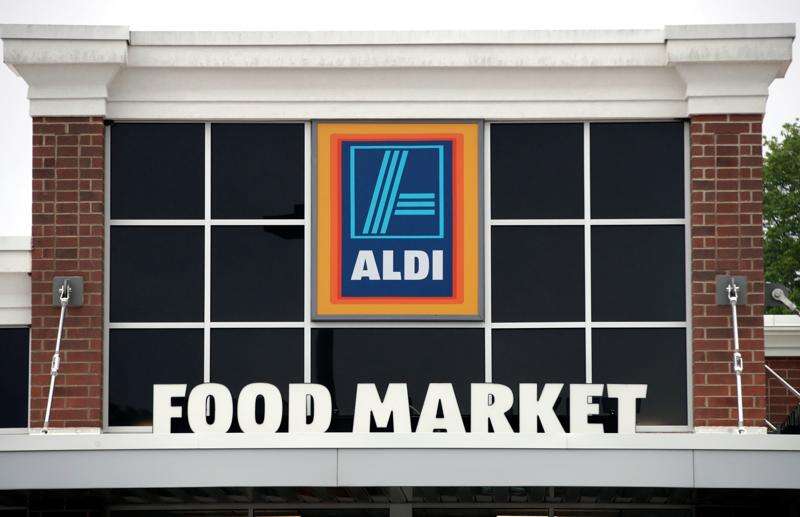
The discount grocery chain Aldi is accelerating its expansion in the United States, aiming to open more than 180 new stores this year. This decision comes as many Americans opt to stay home and prepare meals instead of dining out, driven by ongoing concerns about the economy. Aldi’s U.S. operations, headquartered just outside of Chicago, have been on a growth trajectory since inflation began to rise in 2021, having opened a record number of locations last year.
Despite a slowdown in food inflation, which stood at 2.4% for the past year according to data from the U.S. Labor Department, prices have surged approximately 25% since the pandemic began. In December, the department reported a 0.7% increase in grocery prices compared to the previous month, indicating that price hikes are occurring at a faster rate than in the last two years.
The shift in consumer behavior has seen families turning to discount retailers to manage their budgets effectively. Many are opting for cheaper store-brand products instead of familiar name brands, resulting in a surge in popularity for discount chains like Aldi, Dollar General, and Dollar Tree. This trend towards value shopping predates the trade tensions that emerged during the previous administration but has gained momentum over the last year.
Aldi has ambitious plans for the coming years, announcing in 2024 its intention to open 800 new stores across the U.S. by 2028. Last year, the company set a record by announcing the opening of 225 locations in the U.S. To support this growth, Aldi will also establish new distribution centers in Florida, Arizona, and Colorado, committing to invest $9 billion in the U.S. through 2028.
The expansion strategy includes plans to open over 50 stores in Colorado within the next five years and to double its store count in Las Vegas by 2030. With these additions, Aldi aims to operate nearly 2,800 stores by the end of this year, bringing it closer to its goal of 3,200 stores by 2028.
Traditional grocers are feeling the impact of Aldi’s growth as they face competition not only from discount chains but also from large retailers such as Walmart and emerging players like Amazon.com. In December, Amazon announced it had expanded same-day perishable grocery delivery to more than 2,300 cities and towns, with further expansion plans for this year, increasing the competitive pressure in the grocery sector.
As Aldi continues to develop its footprint in the U.S., it remains to be seen how established grocery stores will adapt to retain their market share in an increasingly price-conscious consumer environment.