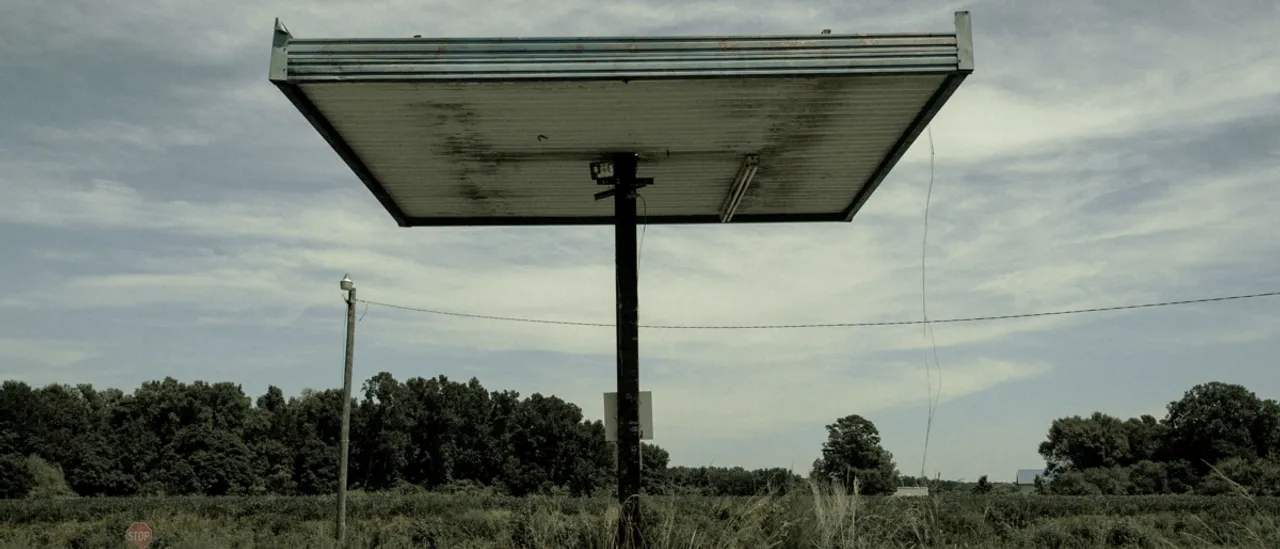
During a recent drive from Hayti, Missouri to the Memphis airport, a couple reflected on the deteriorating standards of infrastructure and public services across parts of the United States. Their observations highlighted a troubling trend: Americans, regardless of wealth, have increasingly lowered their expectations for basic functions in daily life, from gas stations to public transportation.
The journey along I-55, which spans from Missouri through Arkansas to Tennessee, served as a stark reminder of the slow decay affecting many regions. The roads, often filled with potholes and poorly maintained signs, reflect a larger issue of malfunctioning services that have become commonplace. Gas pumps frequently fail to operate, restrooms at service stations are often locked or in disrepair, and even those locations that seem acceptable may come with hidden problems such as inflated prices or faulty equipment.
This situation is not isolated to economically disadvantaged areas. For instance, during a recent snow and ice storm in Washington D.C., residents in some of the wealthiest counties faced significant travel disruptions. Complaints circulated about unplowed roads and inaccessible sidewalks leading to essential services. Despite the challenges, there was a pervasive sense of resignation, suggesting that people no longer expect any swift resolution or improvement.
Normalization of Decline
The observations made during this trip underscore a broader societal issue. The Mississippi Delta, a region long affected by economic shocks such as mechanization and capital flight, illustrates how prolonged institutional failure can lead to diminished expectations. As the infrastructure crumbles, the collective mindset shifts towards acceptance of “good enough” rather than striving for improvement.
This resignation permeates various facets of life. A notable incident involved a pedestrian jaywalking into traffic, leading to an angry confrontation with a driver named Jonathan, who had to brake suddenly. Rather than acknowledging shared responsibility for safe conduct, the pedestrian’s response reflected a growing disconnect in societal norms. Such moments, while seemingly minor, highlight a troubling trend of eroding civic responsibility.
The impact of this decline extends beyond mere inconvenience. When basic public standards falter, it signals a larger issue of societal decay. Roads function because drivers adhere to traffic laws, markets thrive when contracts are respected, and communities flourish when accountability is prioritized. The normalization of broken systems fosters an environment where people accept subpar services without protest.
Rebuilding Expectations
The challenges faced by the Delta region should serve as a cautionary tale for the rest of the country. It is essential to recognize that the decay of expectations alongside infrastructure is a dangerous trend. The simplest acts of civic duty, such as maintaining public spaces and ensuring functionality, are not trivial; they are fundamental to a functioning society.
Change will not come from grand speeches or sweeping reforms. Instead, it begins with a collective insistence that public services should work. The drive down I-55 serves as a reminder that until individuals and communities demand better, the status quo will continue to prevail. It is crucial for citizens to advocate for basic standards and refuse to accept anything less.