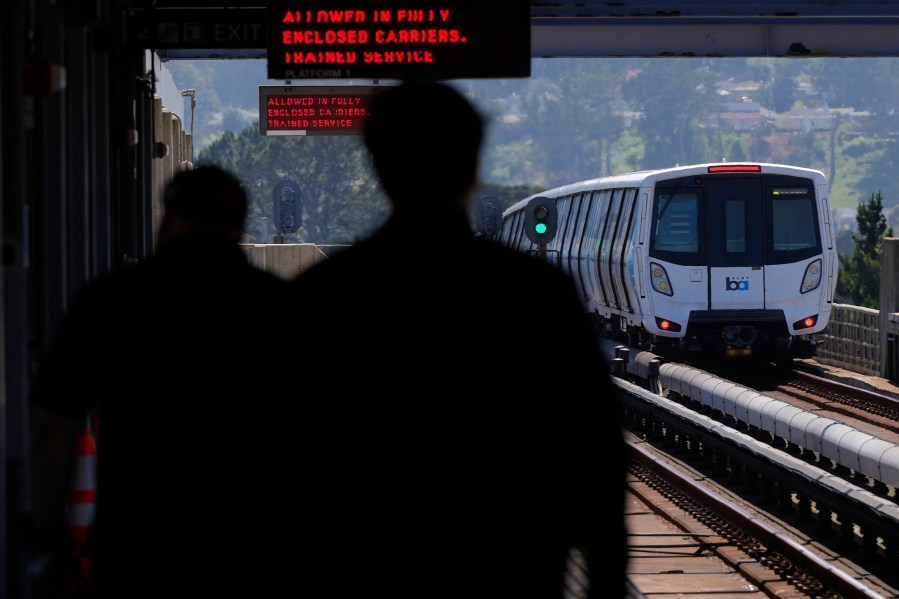
BART, the Bay Area Rapid Transit agency, will implement a fare increase effective at midnight on January 1, 2026. This adjustment, amounting to a 6.2 percent rise, is intended to address inflationary pressures and is projected to generate approximately $15.6 million in additional revenue for the upcoming year.
As part of this change, fares will increase by an average of $0.30. The agency anticipates that this revenue boost is essential for maintaining and improving service levels across its network. BART officials emphasize that the fare increase is a necessary step to ensure the transit system can continue to operate efficiently and meet the needs of its riders.
BART’s fare structure has undergone several adjustments over the years, reflecting ongoing challenges in funding and operational costs. According to the agency, this latest fare increase is aligned with compensation for rising expenses, ensuring that the public transit service remains viable in the long term.
The increase has sparked discussions among commuters and stakeholders about the balance between funding essential services and keeping public transportation affordable. Various advocacy groups are calling for transparency in how the additional funds will be utilized, urging BART to prioritize enhancements that directly benefit passengers.
This fare hike follows a pattern observed in other transit agencies across the country, where inflation and operational costs have necessitated similar adjustments. As cities evolve and the costs of maintaining infrastructure grow, transit agencies are increasingly looking to fare increases as a means of securing their financial stability.
BART has stated that it will continue to seek alternative funding sources and explore operational efficiencies to mitigate the impact on riders. Future plans may include investments in technology and service improvements aimed at enhancing the overall commuter experience.
As the January 1 deadline approaches, BART urges riders to stay informed about the changes and plan their commutes accordingly. The agency remains committed to providing reliable transit options for the Bay Area community while navigating the financial challenges that accompany such a large urban transportation network.