The recent Colorado River Water Users Association conference at Caesars Palace in Las Vegas highlighted urgent discussions regarding the water supply for approximately 40 million people across the region. With key negotiations among seven states remaining unresolved, officials left the event without significant announcements on how to allocate the Colorado River’s resources over the next two decades.
Approximately 90 percent of the water supply for the Lower Basin states, including Nevada, California, and Arizona, comes from Lake Mead. This reservoir is vital for sustaining rapidly growing cities and supporting a multibillion-dollar agricultural economy. Experts at the three-day conference warned that without meaningful conservation measures, all states may face difficult decisions about the river’s future.
The governors and negotiators from the seven states have received an invitation to meet with Interior Secretary Doug Burgum in Washington, D.C. Nevada Governor Joe Lombardo has requested that this meeting be scheduled for January 2024. The urgency for a consensus-based agreement is underscored by a looming deadline of February 14, 2024, set by Burgum.
Deadline Approaches Amidst Stalemate
Unlike previous conferences, the seven states participated in a joint panel discussion on the final day. The high attendance reflected the critical nature of the discussions, as they must reach an agreement before the mid-February deadline. Failure to do so could result in federal intervention or even lawsuits among the states.
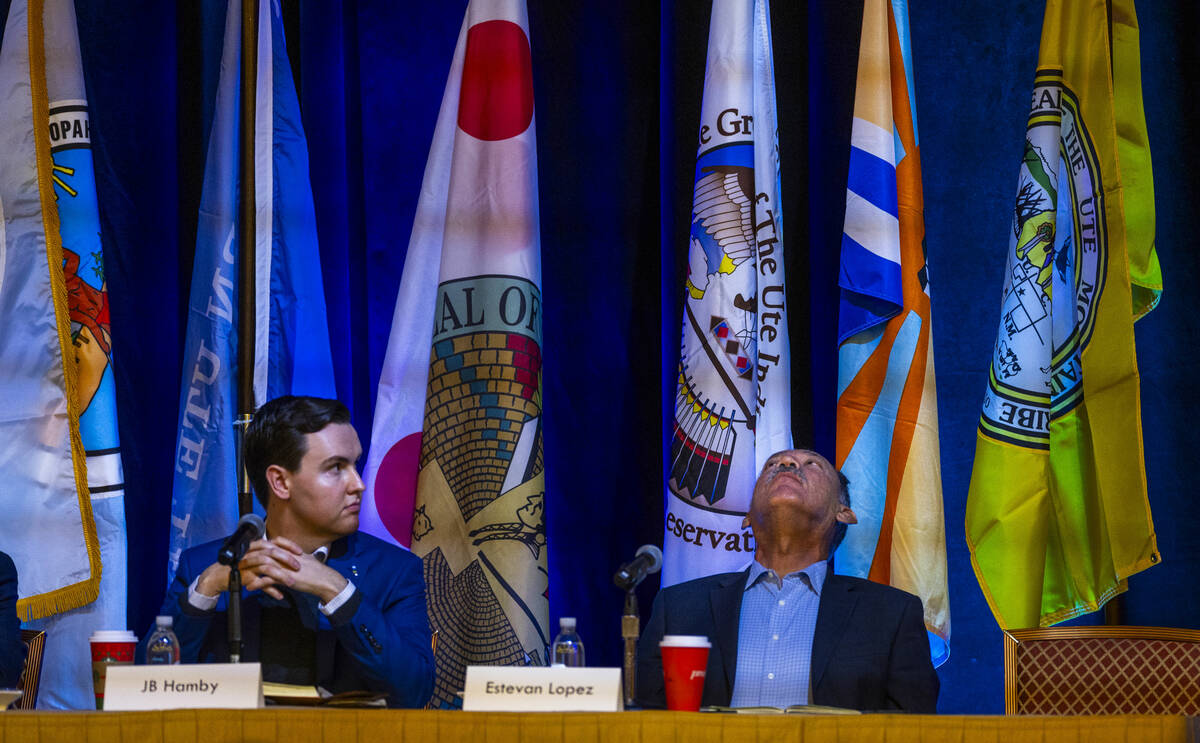
The Lower Basin states are prepared to bear the brunt of a substantial water deficit of 1.5 million acre-feet, equivalent to nearly 489 billion gallons. However, representatives from the Upper Basin states—Colorado, Utah, New Mexico, and Wyoming—assert that they cannot provide additional water without conflicting with state laws. Estevan López, New Mexico’s representative on the Upper Colorado River Commission, expressed the pain felt by water users in his state, emphasizing the seriousness of the situation.
Temporary Solutions Under Consideration
John Entsminger, Nevada’s senior negotiator, criticized the other states for not making concessions towards further conservation. He indicated that without compromise, negotiations would stagnate. While the initial expectation was for a comprehensive 20-year agreement, Entsminger suggested that a temporary five-year plan might be necessary to meet the February deadline and avoid legal disputes.
In an interview prior to the conference, former Southern Nevada Water Authority leader Pat Mulroy echoed these sentiments, stating that a long-term agreement seemed unlikely given the current landscape of negotiations. She stressed the importance of pragmatism among the states.
The outlook for the Colorado River system remains grim. Carly Jerla, a senior water resource program manager at the Bureau of Reclamation, reported projections indicating that inflows to Lake Powell could be only 44 percent to 73 percent of the average for the upcoming year. Since 2006, the reservoir’s replenishment has decreased by approximately 15 percent due to poor snow years and evaporative losses.
Jack Schmidt, director of the Center for Colorado River Studies at Utah State University, warned that insufficient snowpack this winter could jeopardize critical water releases from Lake Powell to Lake Mead. He urged stakeholders to act swiftly to reduce consumption and prepare for potentially challenging conditions ahead.
The stakes have never been higher for the Colorado River Basin. As negotiations continue, the need for effective strategies to manage this vital resource has become increasingly urgent.