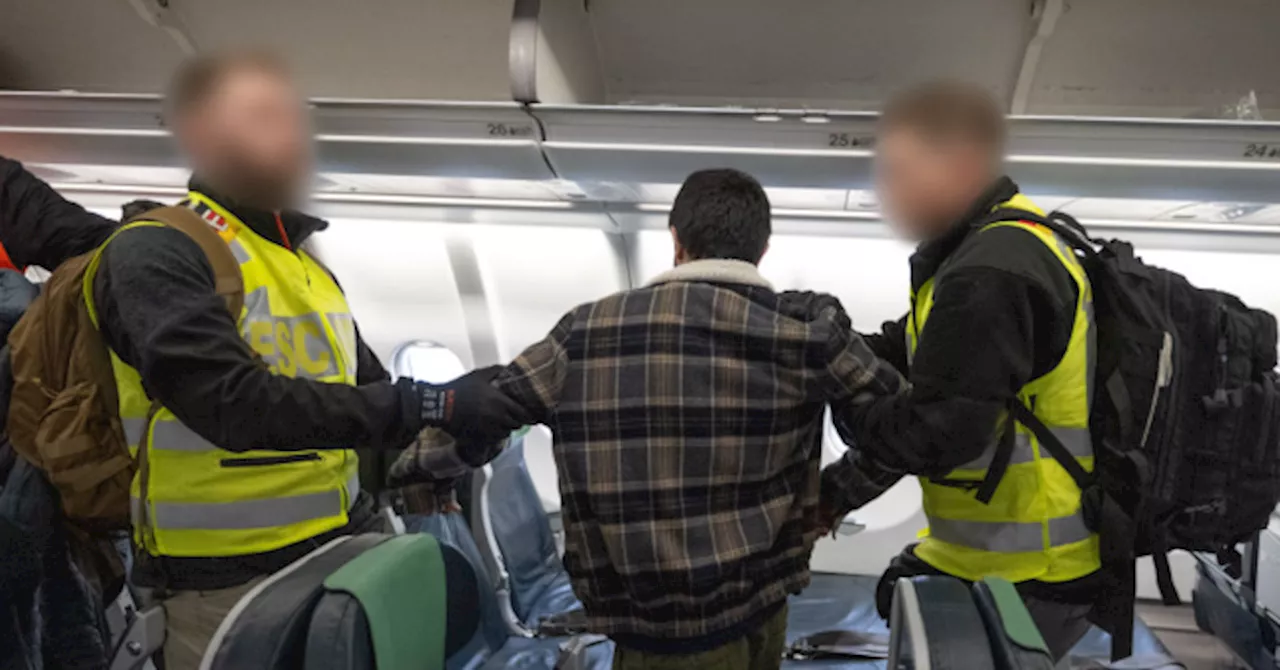
The Department of Homeland Security (DHS) is set to save an estimated $279 million through the establishment of its own fleet of Boeing 737 jets, designed specifically for deporting illegal migrants. This announcement has prompted criticism from DHS official Tricia McLaughlin, who called out the Washington Post for not including this significant financial detail in their reporting.
In a recent exchange on social media, McLaughlin expressed her concerns about the article’s omission, stating, “Somehow the @washingtonpost forgot to include anywhere in their story that this new initiative will save the U.S. taxpayer $279 million. I guess they didn’t want the public to know?” Her remarks emphasize the financial implications of the new fleet, which is expected to enhance operational efficiency for the Immigration and Customs Enforcement (ICE) agency.
As part of a substantial budget increase approved by Congress, DHS plans to allocate $140 million towards acquiring six Boeing 737 aircraft. Previously, ICE has relied on charter companies for deportation flights, a system that has become increasingly costly as the agency prepares to ramp up repatriation efforts. McLaughlin noted that the new fleet will enable ICE to use more efficient flight patterns, ultimately streamlining the deportation process.
The announcement aligns with broader efforts by the Trump administration to enhance immigration enforcement and secure the U.S. border. McLaughlin remarked that the new planes will allow ICE to operate more effectively, which is crucial as the agency addresses the ongoing challenge of illegal immigration. She stated, “President Trump and @Sec_Noem are committed to quickly and efficiently getting criminal illegal aliens OUT of our country.”
The Washington Post’s article on the matter did mention the financial benefits identified in a DHS cost-benefit analysis but did not highlight the specific savings that McLaughlin emphasized. This oversight has sparked a debate about the transparency of information related to government spending on immigration enforcement.
In addition to the new jet fleet initiative, the DHS has faced scrutiny over its immigration policies and practices. Recently, Kristi Noem, the Secretary of Homeland Security, has been called to respond to questions regarding these policies during congressional hearings. The heightened focus on immigration enforcement has also led to tensions, with critics raising concerns about civil liberties and the treatment of U.S. citizens during ICE operations.
As the DHS moves forward with its plans, the establishment of a dedicated fleet of aircraft represents a significant shift in its operational strategy, potentially reshaping the landscape of immigration enforcement in the United States. The implications of this initiative will likely continue to unfold as the agency implements its new approach.