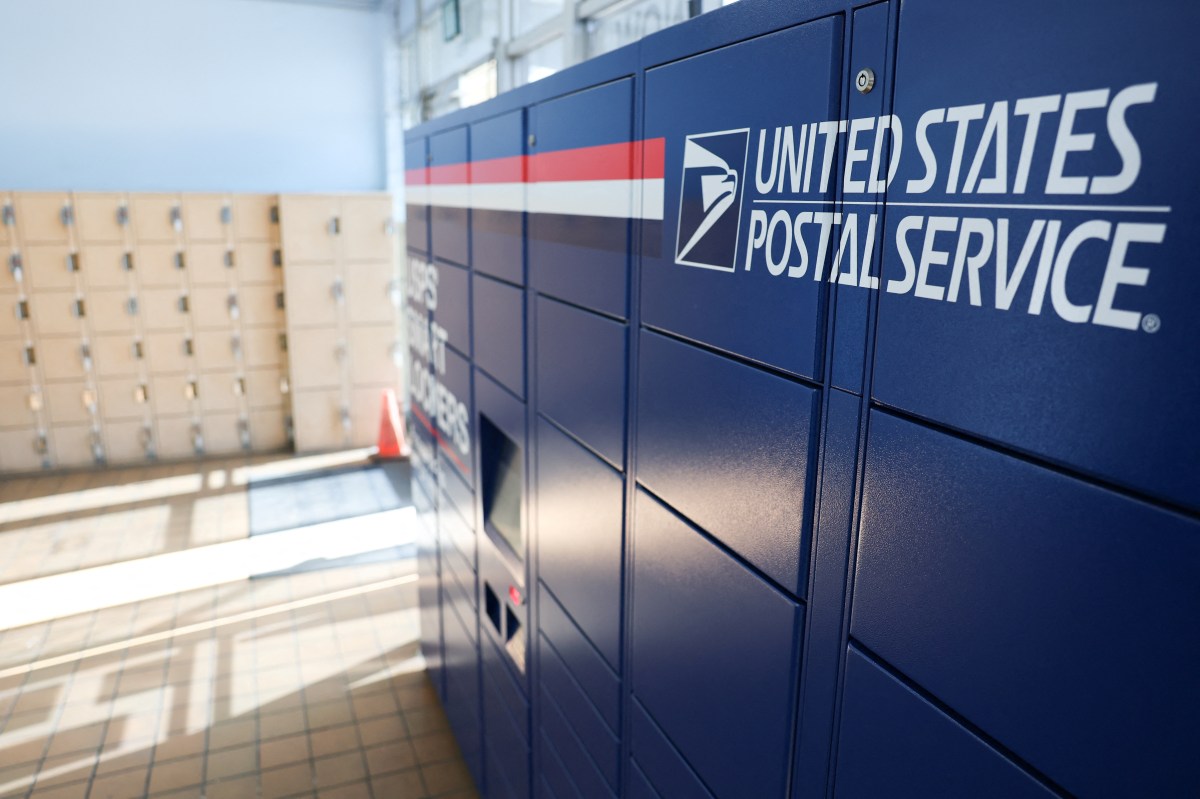
Starting today, the United States Postal Service (USPS) has implemented new pricing for various mail services. This increase includes a 6.6 percent hike in Priority Mail rates, a 5.1 percent increase for Priority Mail Express, a 7.8 percent rise for Ground Advantage, and a 6 percent increase for Parcel Select. These adjustments come as the USPS continues to face financial challenges, including staffing shortages that have led to delays in mail and package deliveries across multiple states.
Financial Context and Service Changes
The price adjustments mark the first increase since July 2023, when the cost of first-class stamps rose from $0.73 to $0.79. Traditionally, the USPS revisits its pricing twice a year, in January and July, with shipping prices reflecting market conditions rather than inflation. Notably, while these shipping services experience adjustments, the cost of a first-class mail stamp remains steady at $0.78.
According to a statement from the USPS, these changes aim to support the organization’s ongoing modernization and transformation plan. The objective is to create a more efficient postal service capable of fulfilling its mission of providing reliable mail and package delivery at least six days a week, all while maintaining financial sustainability. “These proposed changes will support the creation of a revitalized organization,” the USPS stated.
Additional changes this year include new stamp designs inspired by American space exploration. Two designs showcase images captured by NASA’s James Webb Space Telescope, one featuring an infrared image of the Crab Nebula, located approximately 6,500 light-years away in the Taurus constellation.
Expert Insights on Pricing Increases
Postmaster General David Steiner initially opposed raising prices for Market Dominant products, including First-Class Mail, until mid-2026. However, this stance has evolved as the USPS balances its revenue needs with the affordability of its services. “We continually strive to balance our pricing approach to meet the revenue needs of the Postal Service,” Steiner explained. He noted that the decision to maintain current prices for First-Class Mail and other Market Dominant services will be revisited in the future.
Financial experts have weighed in on the implications of these price hikes. Alex Beene, a financial literacy instructor at the University of Tennessee at Martin, remarked that while the increases may not significantly impact customers primarily using first-class stamps, the adjustments for other services could range between 5 to 7 percent. He noted that Ground Advantage, often favored for its affordability and speed, will see the highest increase at 7.8 percent. “While no one likes to see price increases, the demand for USPS to be more profitable makes it difficult to avoid passing higher shipping costs onto customers,” Beene stated.
Kevin Thompson, CEO of 9i Capital Group, added that the USPS has experienced a substantial uptick in volume due to the rise in online shopping, with companies like Amazon relying heavily on USPS for last-mile delivery. “As demand continues to grow, I would expect pricing to change again in the future,” he noted. Thompson emphasized that the hope is for these increases to result in improved service as the USPS modernizes its fleet and invests in technology to better manage increased volumes.
In summary, as the USPS raises prices across various mail services, customers can expect ongoing adjustments in response to market conditions. The postal service’s efforts to modernize and improve efficiency will play a critical role in its ability to meet the evolving demands of mail and package delivery.