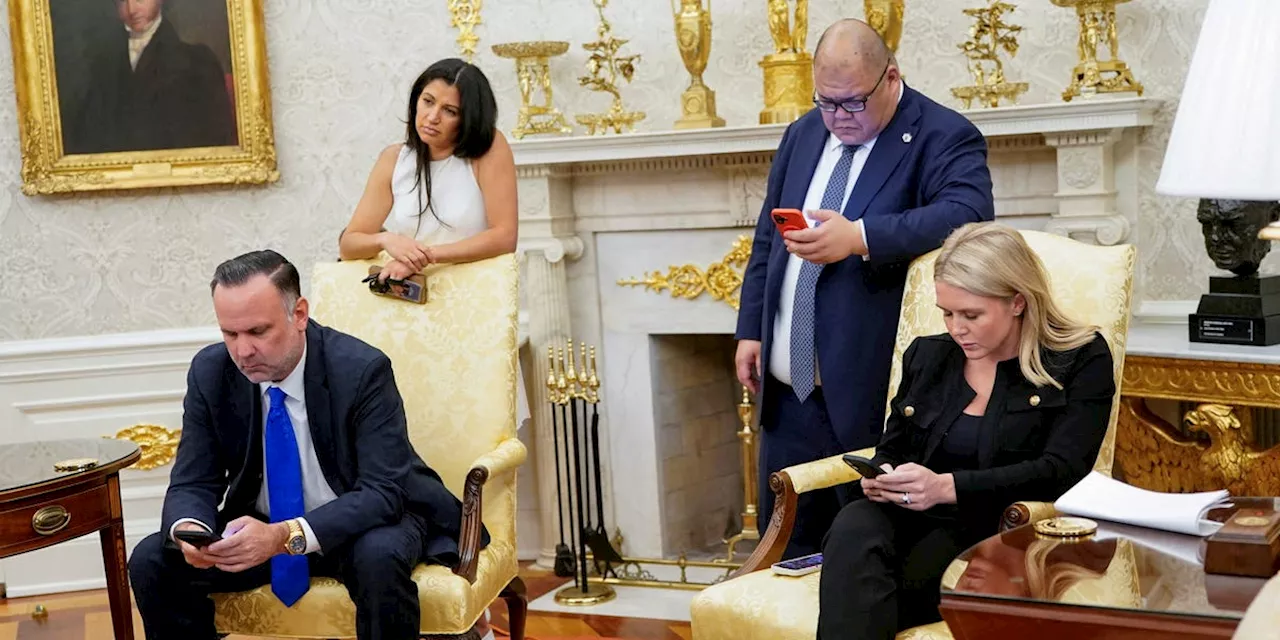
The White House recently disclosed the salaries of its employees, offering insight into the earnings of those working closely with President Donald Trump. On July 1, the administration submitted this information to Congress, fulfilling a legal requirement. The report highlights the disparities between government salaries and compensation in the private sector, showing how public service often comes with a lower financial reward.
The president’s annual salary stands at $400,000, significantly higher than the average American income of $69,846 in 2024, as reported by the Social Security Administration. Despite this, it falls short of the threshold for the top 1% of earners in states neighboring the District of Columbia, where individuals in Maryland and Virginia earn an average of $677,543 and $701,792 respectively.
Insights into White House Earnings
The report sheds light on the financial landscape of the White House, revealing that some of the highest-paid positions include policy advisors and legal counsel, while roles such as research and press assistants earn comparatively less. The salaries reflect the complexities of government work, where financial compensation often trails behind private sector opportunities.
Among the notable figures listed, former aides like Taylor Budowich have transitioned to private sector roles, while others like Mike Waltz have moved within government, taking on the role of ambassador to the United Nations after serving as national security advisor. Some individuals, such as Marco Rubio and David Sacks, reported a salary of $0, as they either chose to forgo their compensation or receive payments from other governmental branches.
The White House did not provide comments regarding the report, leaving some questions about the dynamics of compensation within the executive office unanswered. The disclosure emphasizes the value placed on transparency in government salaries, showcasing the earnings of those who play significant roles in shaping policy and advising the president.
While the salaries of White House staff are substantial, they highlight a broader conversation about public service and financial remuneration. The balance between serving the public and achieving financial success continues to be a topic of discussion, particularly in comparison to the lucrative opportunities available in the private sector.