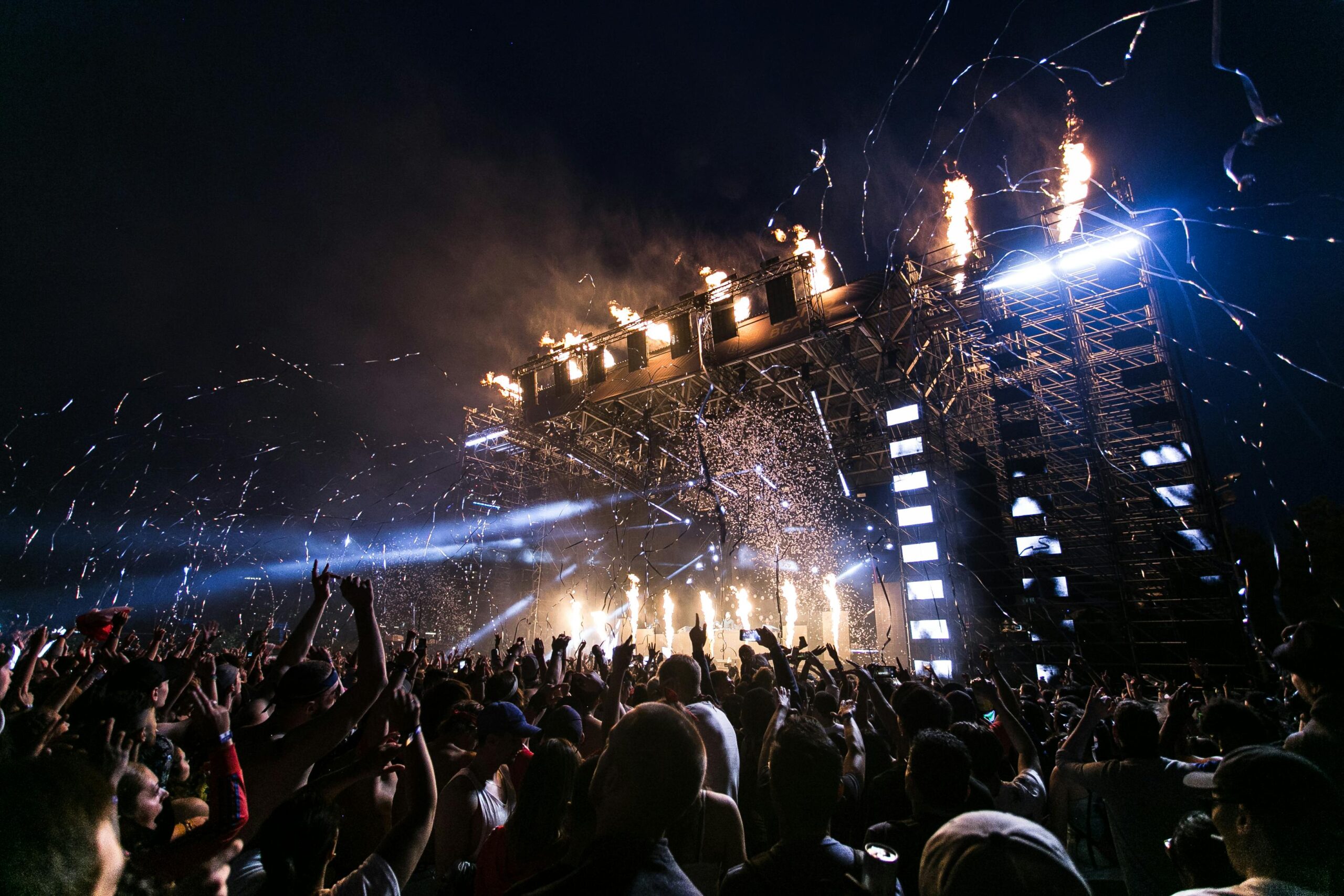
Concert ticket prices have reached unprecedented levels, with the average cost now standing at $128.46 in the third quarter of 2025. This figure represents a significant 34% increase from six years ago, reflecting a booming demand for live music events. Major tours, such as Taylor Swift’s Eras Tour, have seen tickets soar to over $1,000, yet fans continue to fill venues across the globe.
Young audiences, particularly Gen Z and Millennials, are driving this trend. According to Rick Pendrick, a public relations representative for Ticket-Compare.com, these generations consider concerts an integral part of their identity rather than merely an extravagant expenditure. He noted that live shows have evolved into “the new status symbol and the new social currency,” where experiences are shared and celebrated on social media platforms.
The surge in spending is, in part, a response to the lost experiences during the COVID-19 pandemic, which heightened the desire for live events. Pendrick identifies this phenomenon as “funflation,” with pop music artists like Beyoncé and Bad Bunny witnessing the most substantial price hikes due to demand significantly outpacing supply.
Regional Variations in Spending Patterns
Analysis of geographic trends reveals that concert spending varies widely across the United States. Residents of Virginia lead the nation, averaging $446 annually on concert tickets. Pendrick attributes this high ranking to factors such as strong incomes, accessible venues, and a cultural emphasis on live music. “Residents there go to shows often and spend more per ticket,” he explained.
Conversely, cities in the Midwest, including Milwaukee, Omaha, and St. Louis, generally report lower average ticket prices. Venues in these markets prioritize filling seats, leading to more stable pricing models. In contrast, secondary markets like Austin and Nashville are experiencing escalating costs as demand continues to rise, often outstripping local venue capacities.
Pendrick expressed that there is no upper limit in sight for ticket prices associated with megastars. “Prices will keep rising for megastars because demand is infinite,” he stated. Yet, he observed that mid-tier tours are beginning to face resistance, with fans becoming more selective in their spending, prompting promoters to adjust pricing strategies accordingly.
Future Trends and Potential Record Breakers
When asked about which artist might next break ticket price records, Pendrick pointed to Bad Bunny. He highlighted the Latin star’s youthful fanbase, impressive streaming figures, and a consistent ability to surpass previous tour metrics. Pendrick compared Bad Bunny’s potential to the success of Swift’s Eras Tour, describing it as “the textbook definition of inflation-proof demand,” given that stadiums sold out even as ticket prices crossed $1,000 and, in some instances, reached $5,000.
As younger fans remain willing to invest in live events, the trend of rising ticket prices shows no signs of slowing. For Gen Z and Millennials, attending concerts transcends mere music; it represents a vibrant social experience that continues to fuel the escalating costs associated with live entertainment. The ongoing evolution of concert culture signals a new era where the value of shared experiences is paramount, reshaping how live events are perceived and consumed.