As the craft beer industry transitions from 2025 to 2026, it confronts a challenging landscape marked by a significant downturn. According to the recently published “Year in Beer 2025” report by the Boulder-based Brewers Association, brewery closures have outnumbered openings for the second consecutive year. This trend indicates a shift from the once-thriving growth experienced in previous decades to a period of contraction.
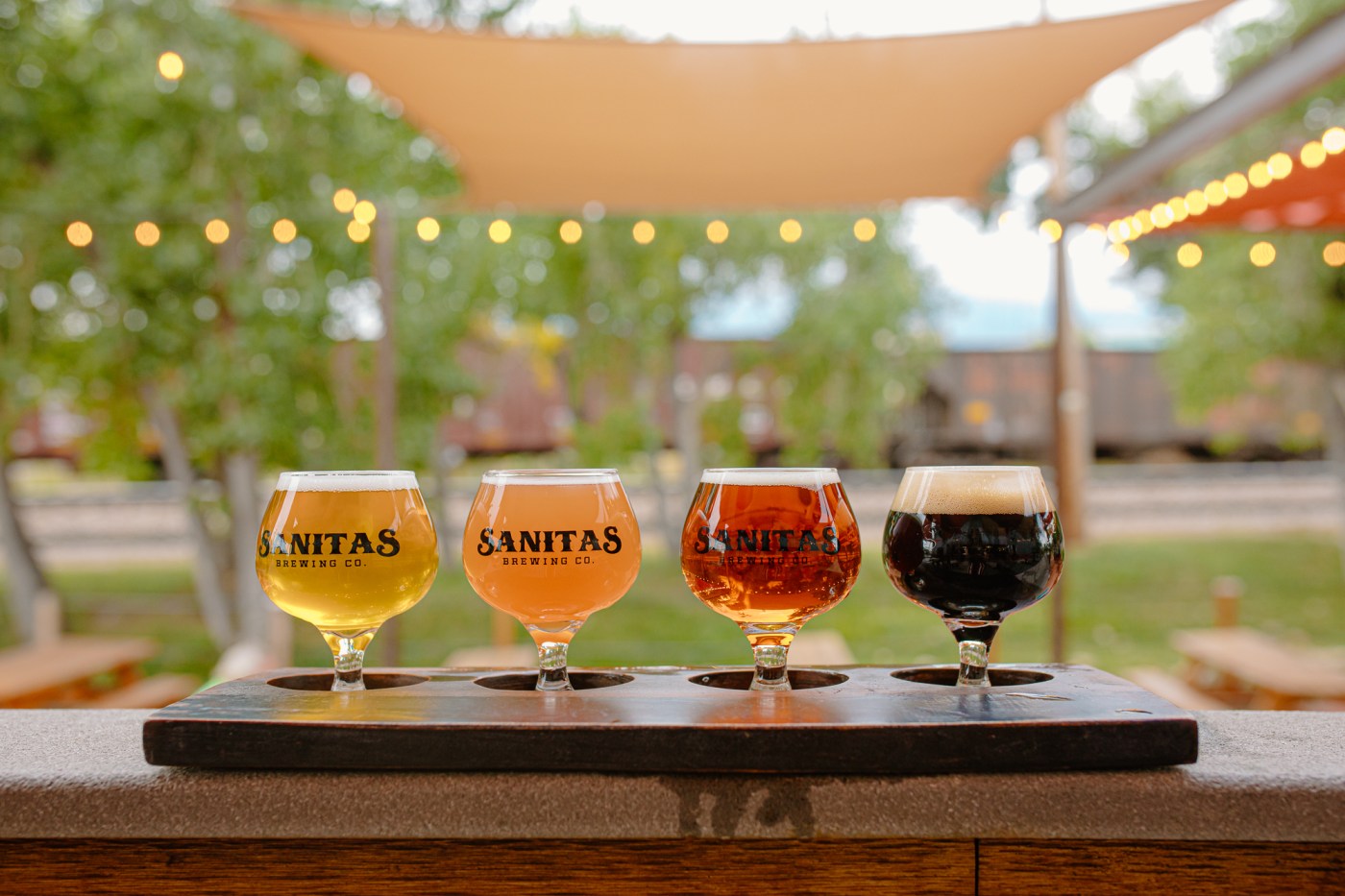
Recent closures include Sanitas Brewing Co., which shuttered its Boulder brewery and taprooms in Lafayette and Englewood on December 20, and Big Beaver Brewing Co. in Loveland, which closed in November. The Brewers Association’s midyear survey revealed a 5% decline in craft production, a more substantial drop than the 4% decrease recorded in 2024. Full production figures for 2025 will be finalized in early 2026 but early data suggests a continued weakening trend.
The report indicates that 9,778 breweries are currently operational, with 268 new openings and 434 closures in 2025. Matt Gacioch, the association’s staff economist, noted, “What made the delta bigger between opening rate and closing rate was the significant decline in the rate of brewery openings.” He pointed out that the current market lacks new breweries to fill the void left by those that have closed.
This contraction results from a combination of factors. Rising interest rates have made it harder for new businesses to secure funding in this capital-intensive industry. Gacioch remarked, “We might have reached the level of saturation in the market where lenders are just less likely to take at face value that a craft beer business is going to be automatically successful.”
Despite the saturation in some areas, Gacioch believes there is still potential for new players, especially in localized markets. He emphasized that while some regions of the Front Range may be saturated, opportunities still exist for niche breweries. “We’ve been lucky here on the Front Range to have access to some of the best and most innovative craft brewers anywhere in the country,” he said.
Changing consumer behavior also poses challenges. Younger consumers tend to go out less and often do not gravitate towards craft beer. Steve Conrad, head brewer at Busey Brews Smokehouse and Brewery, highlighted this trend during the BizWest Brewers CEO Roundtable, stating, “The younger generation doesn’t seem to be engaging in the craft-beer world as much as people my age.”
The shift in social habits is contributing to a downturn in sales. Jeffrey Green, co-owner of Very Nice Brewing Co., noted that the general culture of going out has been diminished, leading to fewer patrons visiting breweries. “People have stopped going out in general,” he remarked.
As the demographic landscape changes, breweries are noticing a generational divide in drinking habits. Davin Helden, owner of Liquid Mechanics Brewing Co. in Lafayette, explained that regular customers from older generations are consuming less beer than they used to. “We’re seeing people that are in that age demographic still coming in, but it’s one or two beers instead of three or four,” he said.
Despite these challenges, there is a sense of optimism within the industry. The craft beer sector, which supports 443,000 jobs and contributes $72.5 billion to the U.S. economy, is not stagnant; it is consolidating through mergers and acquisitions. Local breweries are actively participating in this trend.
For instance, Wilding Brands, a Lafayette-headquartered company, has made several acquisitions, including Upslope Brewing Co. and Great Divide Brewing Co.. This strategic consolidation is seen as a new form of innovation within the craft space, as brewers adapt to the evolving market.
Gacioch noted that the collaborations between breweries aim to maximize production capacity and reduce costs. He emphasized that these business combinations reflect a proactive approach in a challenging environment. “This is an industry that is saying, ‘Yeah, things are hard. The environment has changed. But we have agency over what we have control over,’” he said.
Looking ahead to 2026, the outlook remains cautious. The Brewers Association report indicates that many of the challenges currently facing the industry are unlikely to disappear. However, there are signs of potential recovery, particularly as interest rates may decline, making expansion more feasible.
Moreover, consumer research suggests that people may be inclined to socialize more in the coming year, which could bode well for craft breweries. Gacioch maintains a hopeful perspective, stating, “Beer is a beverage that has been around since the dawn of civilization. I feel like beer will find a way forward through this.”
As the craft beer industry navigates these complex dynamics, it remains evident that adaptability and innovation will be crucial for its future success.