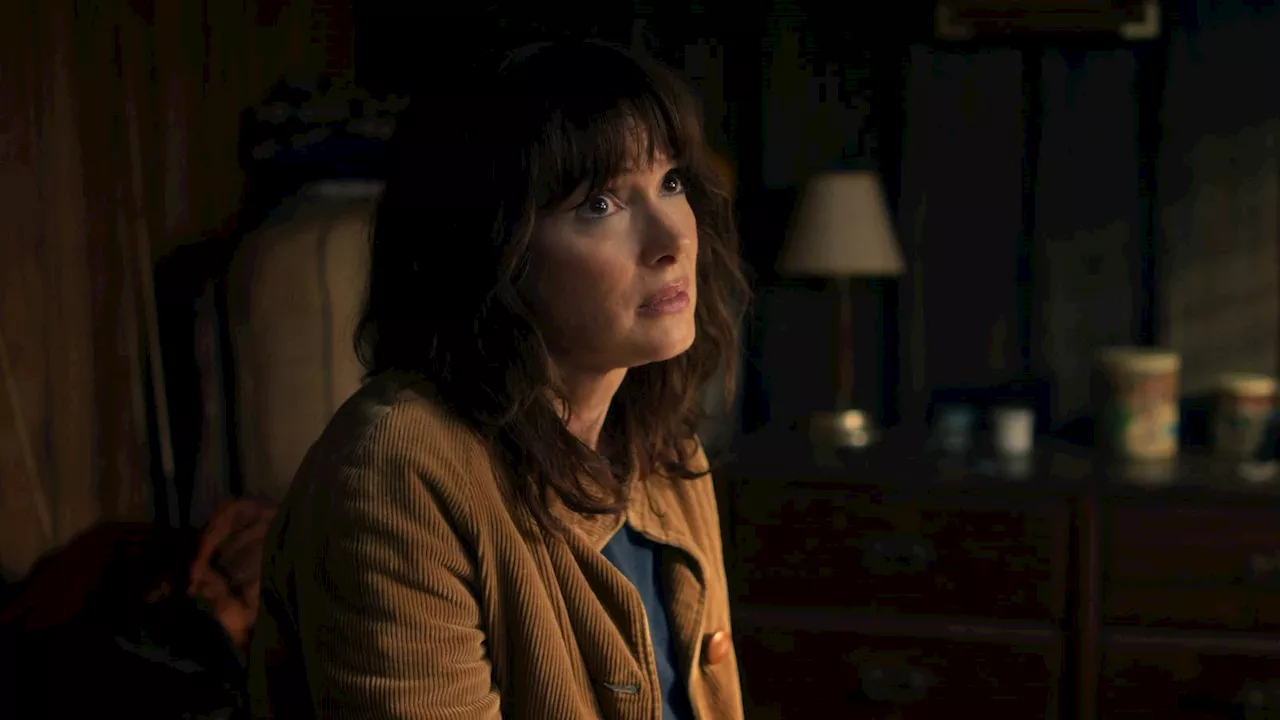
The new film Eternity, now streaming on Apple TV+, presents a whimsical yet frustrating exploration of life after death. Directed by David Freyne, the romantic comedy unfolds in a unique afterlife setting where recently deceased individuals have one week to choose their eternal destination. Despite its intriguing premise, the film ultimately falls short, hindered by a lack of depth and character development.
Concept and Characters
Eternity introduces audiences to a surreal waystation known as The Junction, where souls gather before selecting their forever homes. This setting includes a variety of whimsical options, such as Studio 54 World and Man Free World, each designed to reflect different aspects of eternal existence. The film kicks off with a rather uninspired gag about elderly drivers, as characters Joan (played by Betty Buckley) and Larry (played by Barry Primus) navigate a slow drive, ultimately leading to Larry’s unexpected death during a gender reveal party.
Upon awakening at The Junction, Larry, now portrayed by Miles Teller, learns from his Afterlife Coordinator, Anna (played by Da’Vine Joy Randolph), that he must make a decision about his eternity within a week. Complicating matters is the arrival of Joan, who takes on the form of Elizabeth Olsen, Larry’s long-time partner. This leads to a love triangle between Larry, Joan, and Luke (played by Callum Turner), Joan’s deceased first husband, creating tension and competition for her affections.
Missed Opportunities
While the concept of navigating choices in the afterlife is ripe for exploration, the film often prioritizes its premise over meaningful character development. Joan’s agency is notably absent, as her fate is reduced to a binary choice between Larry and Luke. The screenplay, co-written by Freyne and Pat Cunnane, fails to delve into Joan’s desires, leaving viewers questioning her motivations and preferences.
“The film coasts on heightened sitcom fodder with dumb, easy jokes and throwaway gags that rarely land.”
The performances of Olsen, Teller, and Turner are commendable, yet they struggle to breathe life into their characters due to a lack of engaging material. Olsen’s portrayal of Joan includes moments of emotional depth, but these instances only serve to highlight the film’s shortcomings in character exploration. As the story unfolds, it becomes evident that the film is more interested in its whimsical setting than in the personal journeys of its characters.
Moreover, the film draws comparisons to previous works like Albert Brooks‘ Defending Your Life, but lacks the same depth of insight. Instead of offering a profound reflection on love and choices, Eternity often resorts to superficial humor that falls flat. The narrative structure resembles a thought experiment with potential but ultimately reverts to clichés found in standard romantic comedies.
In conclusion, while Eternity presents an interesting concept, it struggles to deliver a compelling narrative or fully realized characters. Its attempt to balance humor with existential themes results in a film that feels disjointed and lacking in substance. The film’s notion of exploring profound choices in the afterlife is overshadowed by a focus on lighthearted comedy, diminishing its potential impact. For viewers seeking a deeply engaging story, it may be best to skip this film.
John Serba is a freelance film critic based in Grand Rapids, Michigan.