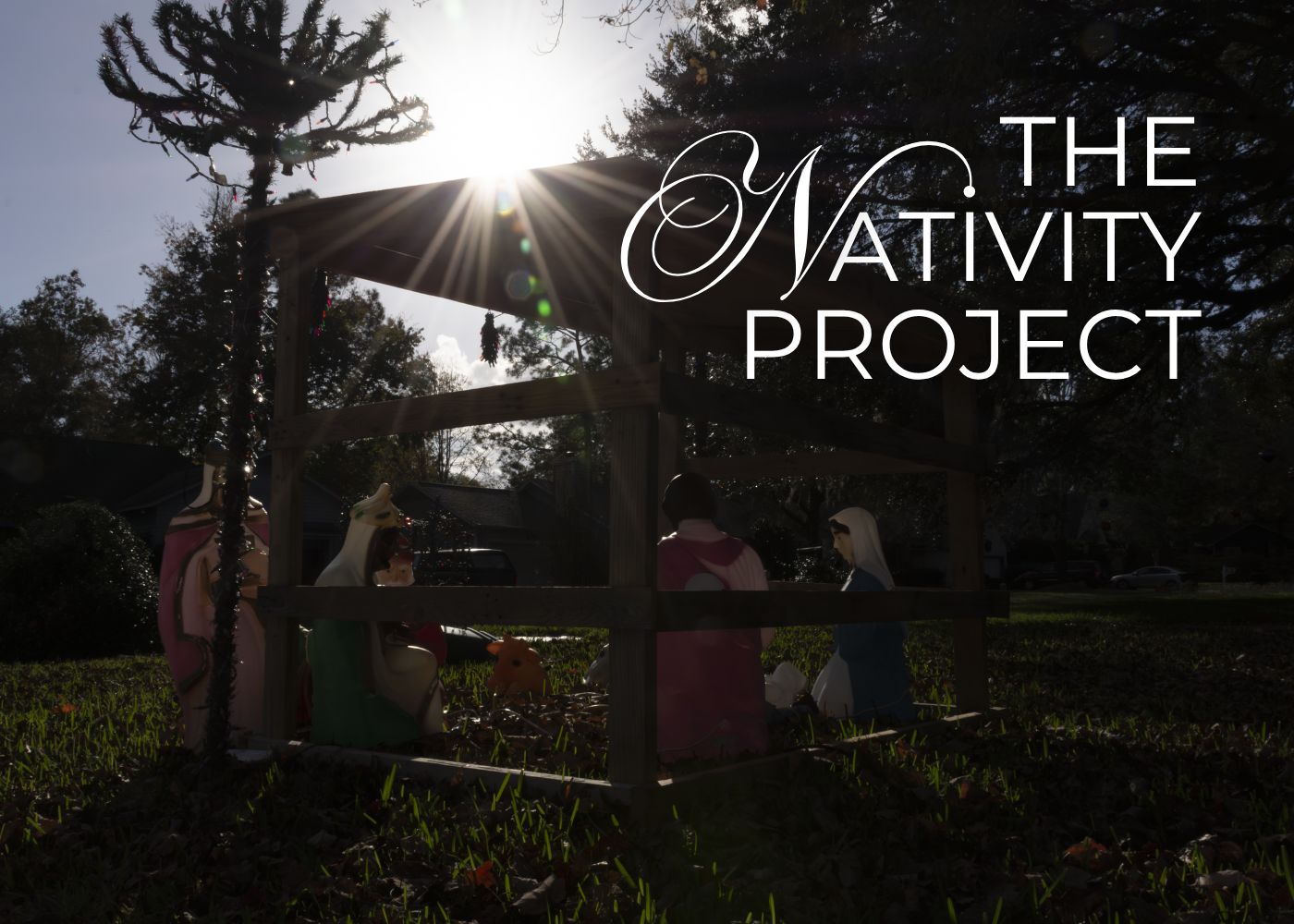
The Arlington Museum of Art (AMA) is currently showcasing a unique photography exhibition titled “The Nativity Project,” created by artist Amy J. Schultz. This exhibition invites visitors on a cross-country journey, exploring how culture, faith, and place influence traditions, particularly through the lens of outdoor nativity scenes.
Schultz has spent nearly a decade capturing nativity displays across all fifty states. The exhibition features a selection of 65 photographs along with excerpts from her field journal, giving insight into her creative process and the diverse expressions of nativity scenes she encountered.
AMA hours are Tuesday to Saturday from 10:00 to 17:00 and Sunday from 13:00 to 17:00. The museum remains closed on major holidays, including Thanksgiving Day, Christmas Eve, Christmas Day, New Year’s Eve, and January 1.
A Journey Through Tradition
“The Nativity Project” reflects the biblical narrative of Jesus’ birth, emphasizing the journeys of key figures such as Mary, Joseph, the magi, and the shepherds. Each photograph encapsulates the essence of these journeys, showcasing how different cultures interpret the nativity story.
Through her work, Schultz encourages viewers to consider the context of each scene. Each nativity interacts with its environment, whether positioned in private yards, commercial spaces, or public squares. This setting invites reflection on regional identity and socio-economic factors, as well as the interplay between creativity, tradition, and devotion.
As visitors engage with the exhibition, they are prompted to think critically about the cultural significance of nativity displays. The project not only highlights the visual diversity of these scenes but also connects them to deeper themes of belief and community across the United States.
Interactive Experience and Reflection
Schultz’s photographic approach transforms each nativity scene into a vignette, rich with discovery. The selection of images aims to foster a dialogue about how these displays resonate with local traditions and practices.
By documenting these varied representations of the nativity, Schultz sheds light on the collective beliefs held by Christians worldwide. The exhibition serves as a platform for discussing the broader implications of how faith and culture shape individual and communal identities.
Viewers of “The Nativity Project” are not merely passive observers; they are invited to explore and reflect on the narratives encapsulated within each frame. This thoughtful engagement allows for a richer understanding of how these traditions evolve and maintain relevance in contemporary society.
For those interested in art, culture, and faith, “The Nativity Project” at the Arlington Museum of Art promises an enriching experience that intertwines personal reflection with communal heritage. This exhibition exemplifies how photography can serve as a powerful medium for storytelling, connecting diverse audiences through shared beliefs and experiences.