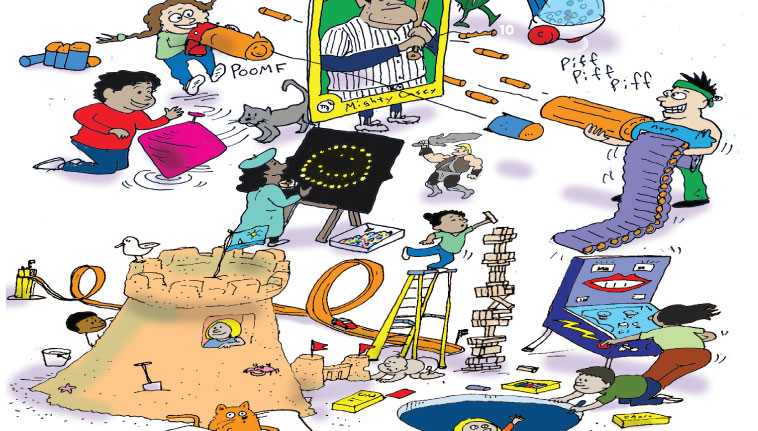
The National Toy Hall of Fame has unveiled its criteria for toy induction, highlighting the significance of play in child development. Located within the Strong National Museum of Play in Rochester, New York, the Hall of Fame invites public nominations year-round. Each toy must meet established criteria, reviewed by historians and educators with expertise in learning and play.
To be considered for induction, toys are evaluated across four categories: Icon status, which assesses their recognition and respect; Longevity, focusing on their lasting popularity across generations; Discovery, which looks at their ability to foster creativity and learning; and Innovation, which measures their potential to change play dynamics or exhibit groundbreaking design.
The Essence of a Good Toy
According to Susan Dichter, an author and educator, a suitable toy is one that aligns with a child’s age, developmental needs, and personality. Dichter emphasizes several qualities that contribute to a toy’s effectiveness:
- Inspires active play: Toys should encourage children to engage physically, whether by pushing, pulling, or building. Toys that perform all the actions tend to lose their appeal quickly.
- Sturdy and well-made: Quality construction is essential, as poorly made toys can lead to frustration and discourage creativity.
- Multiple uses: A toy that can be played with in various ways enhances imagination. For instance, a simple cardboard box can serve as a house, car, or boat, promoting creative play.
- Challenges without frustration: Toys should be designed to push the boundaries of a child’s abilities, striking a balance between challenge and frustration.
The Benefits of Play Across Ages
The notion that play is essential extends beyond childhood. As noted by playwright George Bernard Shaw, “We don’t stop playing because we grow old; we grow old because we stop playing.” Engaging in play can enhance energy levels, vitality, and even bolster the immune system. Helpguide.org outlines several key benefits of play:
- Stress relief: Play triggers the release of endorphins, promoting an overall sense of well-being and alleviating pain temporarily.
- Improved brain function: Engaging in activities like chess or puzzles can enhance cognitive abilities and memory, while social play can reduce stress and combat depression.
- Stimulated creativity: Learning during play is effective for both children and adults, as a relaxed and enjoyable environment fosters better retention of new tasks.
- Enhanced relationships: Sharing joyful experiences can build empathy, trust, and intimacy, contributing to more meaningful connections.
Play can manifest as a mindset rather than a specific activity, helping individuals navigate stressful situations and forge new relationships, whether personal or professional.
For those interested in nominating a toy for the National Toy Hall of Fame, further information is available at museumofplay.org. The criteria for what constitutes a successful toy serve not only as a guide for nominations but also reflect the enduring importance of play in our lives, regardless of age.