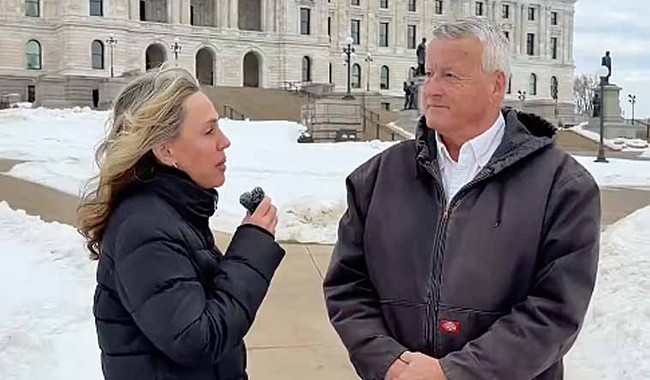
An independent journalist’s investigation into daycare fraud in Minnesota has sparked widespread attention, particularly due to the alarming claims made by an anonymous man featured in the video. This individual, identified only as David, asserts that he visited approximately 40 to 50 Somali-run daycare centers over the past five years and reportedly found no children present at any of them. His revelations raise serious concerns about the allocation of public funds to these facilities.
In the viral 42-minute YouTube video created by journalist Nick Shirley, David discusses his findings and the implications of what he describes as a significant fraud scheme. He claims that these daycare centers collectively receive around $2.5 million annually from taxpayer money. David emphasizes that he has visited these locations at various times throughout the day—morning, afternoon, and evening—yet has never encountered any children.
Concerns Over Oversight and Accountability
The situation has led to questions about the oversight provided by state agencies. Critics argue that the Minnesota Department of Human Services, responsible for monitoring daycare facilities, has failed in its duty to ensure that taxpayer money is being used appropriately. David points out that the lack of children at these centers suggests that they are being used as a “money pipeline” rather than legitimate childcare facilities.
In a recent committee meeting, officials from the Minnesota Department of Human Services admitted that tracking down fraud can be complicated and may require significant resources. This admission has only fueled public frustration over the apparent lack of action. David’s observations have prompted calls for greater scrutiny of these daycare operations and more rigorous audits.
A Call for Action and Transparency
As the conversation around this issue grows, many are urging local and state authorities to take immediate action. The financial implications of these fraudulent operations could be substantial, diverting resources away from legitimate childcare services that are sorely needed in the community.
David’s assertions have resonated with the public, many of whom are advocating for transparency and accountability in the use of taxpayer dollars. Social media platforms have amplified his message, with users expressing their support for his efforts to expose what they perceive as systemic fraud.
While David remains anonymous, his determination to bring attention to this issue has earned him a reputation as a whistleblower in the community. His efforts, along with those of Nick Shirley, highlight the importance of investigative journalism in uncovering potential abuses of public trust.
As awareness continues to grow, the hope is that this case will lead to thorough investigations and reforms to prevent similar occurrences in the future. The need for robust oversight of daycare facilities is more critical than ever, ensuring that resources are allocated to those who genuinely require them.