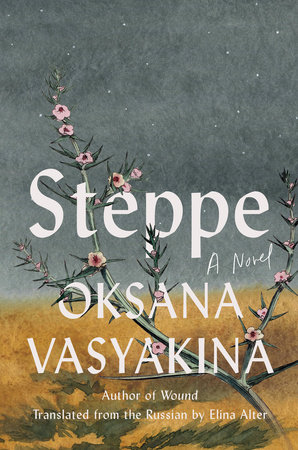
The steppe, a vast expanse of land, holds a unique beauty and complexity that can be both captivating and isolating. In her work, Oksana Vasyakina vividly portrays life on the steppe, reflecting on personal experiences that blend the mundane with the profound. The steppe is not merely a backdrop; it is a character in its own right, shaping the lives of those who traverse it.
Life Amidst the Landscape
The steppe emerges as a living canvas, with shades of yellow and brown, marked by dark-orange lines and gray rivers. It is not a barren desert but a vibrant ecosystem, teeming with life. Grasses sway in the breeze, while insects chirp, and snakes dart across the terrain. This environment has shaped the experiences of many, including the author’s father, who navigated its challenges as a truck driver.
Driving through the steppe, one quickly learns the importance of staying on paved roads. The terrain can be treacherous, and veering off course can lead to dire consequences. Vasyakina’s father, a seasoned trucker, recalls a harrowing incident while driving to Volgograd. He fell asleep at the wheel, only to be jolted awake by the sound of a collision. A speeding car had collided with his truck, resulting in a tragic accident that left him feeling a mix of relief and guilt. He rationalized the incident, believing it was simply fate that had brought him to that moment.
Transporting Goods and the Weight of the Past
The author provides a glimpse into her father’s life as a truck driver, revealing the challenges of transporting various goods. From chickens to watermelons, each load presents its own difficulties. However, he preferred hauling steel pipe, which required less attention and offered fewer complications. The steppe, once a flourishing agricultural land, is now dotted with remnants of old irrigation systems, a reminder of a time when it was cultivated and vibrant.
The landscape has changed dramatically, with pipes left behind as a testament to a forgotten era. As the communal farms dissolved, the once-thriving agricultural community faded, leaving behind rusting metal and memories. Vasyakina highlights the irony of how these abandoned pipes became a source of income for some, as small-time businessmen would steal them and sell them in urban centers like Moscow.
Her father’s experiences illustrate the harsh realities of life as a truck driver. He often found himself waiting for loads, passing the time in the vastness of the steppe, where the horizon seems endless. During these moments of waiting, he and his daughter shared simple meals and moments of reflection, finding solace in the isolation.
The Steppe as a Character
The steppe is depicted not just as a physical space but as an emotional landscape that influences the characters within it. The vastness can feel overwhelming, and the isolation can lead to deep introspection. Vasyakina reflects on the beauty and harshness of this environment, where the sky shifts from blue to pink at dusk, and the nights are filled with the sounds of chirping insects.
Yet, the steppe can also feel suffocating, with its relentless light during the day and the oppressive darkness at night. The author captures these contrasting experiences, illustrating how the steppe can evoke feelings of awe and existential dread. It is a place where everything seems to decay and perish, yet it is also where her father finds a sense of belonging, as he has nothing else to call his own.
In the end, Vasyakina’s narrative serves as a poignant exploration of life on the steppe, revealing its complexities and contradictions. Through her father’s journey, readers gain insight into the struggles of those who navigate this vast landscape, where each moment is shaped by the relentless pull of the land and the weight of their memories. The steppe may be unforgiving, but it is also a place of profound beauty and reflection, where life unfolds in its rawest form.