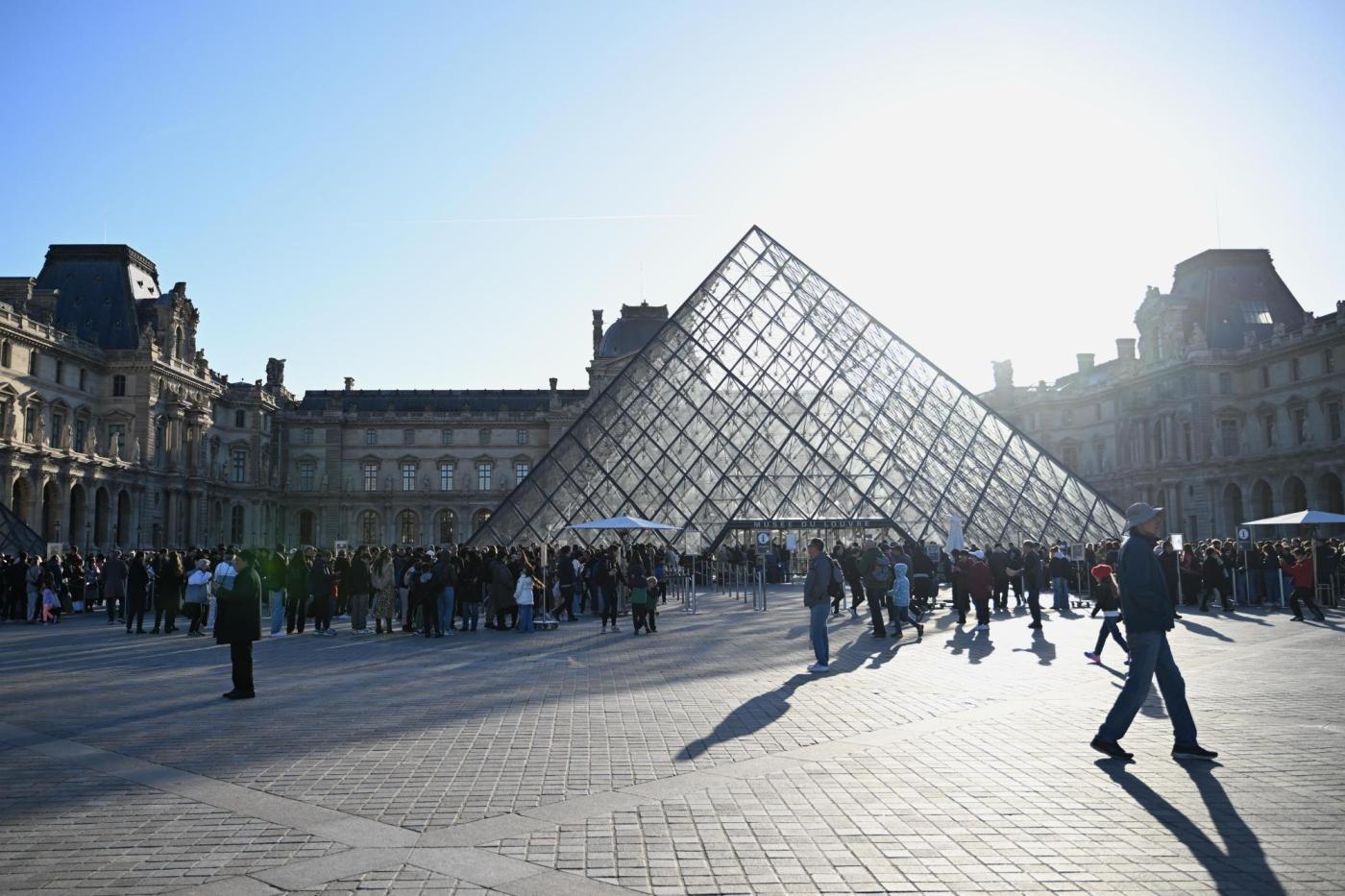
The Louvre Museum in Paris has announced an increase in ticket prices for non-European visitors, raising the cost from 22 euros to 32 euros (approximately $25 to $37). This change, effective from January 14, 2024, aims to support extensive renovations necessitated by recent security breaches, including a high-profile robbery that occurred on October 19.
The decision to hike ticket prices was approved by the museum’s governing board and aligns with a broader initiative to modernize the Louvre, which has become increasingly urgent following the theft of jewels valued at 88 million euros (approximately $102 million800 million euros (around $933 million) and includes plans to enhance infrastructure, reduce overcrowding, and create a dedicated gallery for the iconic Mona Lisa by 2031.
In a recent statement, Louvre director Laurence des Cars emphasized the necessity of these emergency measures, noting that the museum’s last significant upgrades occurred in the 1980s and are now deemed technically outdated. The Louvre attracts a substantial number of international visitors, with 8.7 million guests in 2024, of whom 77% hailed from outside France. Among these visitors, Americans, Chinese, and British nationals represent the largest groups impacted by the new pricing structure.
Cultural institutions across France are also considering similar price adjustments to address their maintenance and renovation needs. The Palace of Versailles, for example, is contemplating a 3-euro (approximately $3.50) increase for non-EU visitors. This trend reflects a growing recognition among cultural sites of the financial challenges posed by aging infrastructure and the need for sustained investment.
The director of the Château de Chambord, Pierre Dubreuil, mentioned that a ticket price increase is also set to take effect in January, raising the price for non-EU residents to 30 euros (around $35). He argued that the additional funds are critical to financing urgent renovations, particularly to prevent the collapse of a significant royal wing dating back to the 16th century, which requires an estimated 37 million euros (approximately $43 million) in repairs.
The proposal for higher fees for international visitors is not without controversy. Some critics argue that such increases could deter visitors and negatively impact attendance. Nevertheless, many cultural institutions view these adjustments as necessary to ensure their long-term sustainability. The French Culture Minister Rachida Dati has been a proponent of the new pricing policies, suggesting they could extend beyond the Louvre to other major cultural sites.
Globally, the practice of charging higher fees for foreign visitors is not unusual. In the United States, the National Park Service recently announced plans to impose an additional $100 fee for international tourists at popular parks such as Yellowstone and the Grand Canyon. Similarly, many attractions in Africa charge foreign visitors significantly more than locals, with prices often reflecting the higher costs of maintaining and preserving these sites.
As cultural institutions grapple with the implications of increased operational costs, the Louvre’s ticket price hike serves as a notable example of how heritage sites are adapting to financial pressures while striving to maintain their appeal to an international audience.