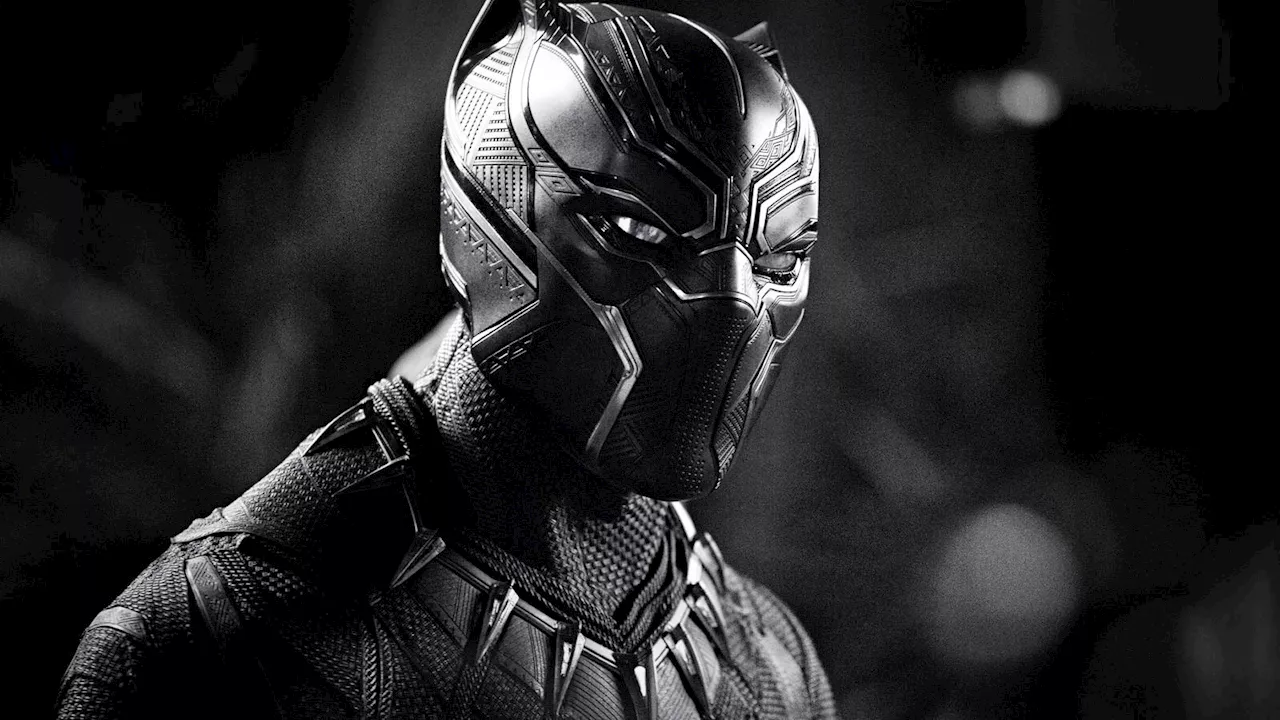
Michael B. Jordan has opened up about his experience with therapy following his portrayal of the villain Killmonger in the acclaimed 2018 film Black Panther. In an interview with CBS Sunday Morning, Jordan shared that the emotional weight of the character lingered with him, prompting him to seek professional help to process his feelings.
The film, which starred the late Chadwick Boseman as the titular superhero, is celebrated as a milestone in the Marvel Cinematic Universe (MCU) for featuring its first Black superhero. Jordan’s role as Killmonger was pivotal, presenting a complex antagonist whose motivations resonated with audiences. Reflecting on the impact of playing such a character, Jordan stated, “It kind of stuck with me for a bit. And, you know, went to therapy and talked about it. Found a way to kind of just decompress.”
In therapy, Jordan learned the importance of emotional release, describing it as “an outlet” that helped him navigate the intense feelings associated with his role. He emphasized his journey of “self-discovery,” noting that he feels like a “much better communicator” and a “well-rounded person” as a result. He also advocates for therapy, particularly for men, stating, “I think that’s something that’s necessary for people, you know? Especially men. I think it’s good for them to go and talk.”
Black Panther was a significant box-office success, grossing over $1 billion globally and receiving a near-perfect score of 96% on Rotten Tomatoes. The film garnered multiple awards, including three Oscars for Best Costume Design, Best Original Score, and Best Production Design. Jordan himself received accolades for his performance, including Outstanding Supporting Actor at the Black Reel Awards and Best Villain at the MTV Movie & TV Awards.
Following the success of Black Panther, Jordan continued to evolve as an actor, starring in films like Creed II and Creed III. His latest project, Sinners, has drawn critical acclaim, earning nominations at the Critics’ Choice Awards and Golden Globes. The film, directed by Ryan Coogler, also proved to be a commercial success, grossing $368 million in 2025.
In a poignant moment during the sequel, Black Panther: Wakanda Forever, Jordan reprised his role as Killmonger, appearing in a scene with Shuri in the Ancestral Plane. This return has reignited discussions about the potential for his character to appear in future MCU projects. With Black Panther 3 on the horizon, directed once again by Coogler, there is speculation about how Jordan’s Killmonger might be integrated into the narrative, possibly through flashbacks or alternate realities.
As he moves forward in his career, Jordan’s commitment to personal growth and mental health awareness remains evident. His openness about seeking therapy not only highlights the challenges of portraying emotionally complex characters but also encourages others to prioritize their mental well-being. Jordan’s journey reflects a broader cultural shift towards embracing mental health discussions, particularly in the film industry, where emotional demands can be significant.
Through his experience, Michael B. Jordan not only aims to improve himself but also hopes to inspire others to engage in their own paths of self-discovery and healing.