Movies often strive for historical accuracy, yet some filmmakers choose to embrace anachronism. This approach involves intentional historical inaccuracies, used to evoke emotional responses and stylistic surprises. These films create a unique narrative space that blurs the lines of time, genre, and authenticity. Below is a look at ten exceptional films that effectively employ anachronistic techniques, showcasing how they can enhance storytelling rather than undermine it.
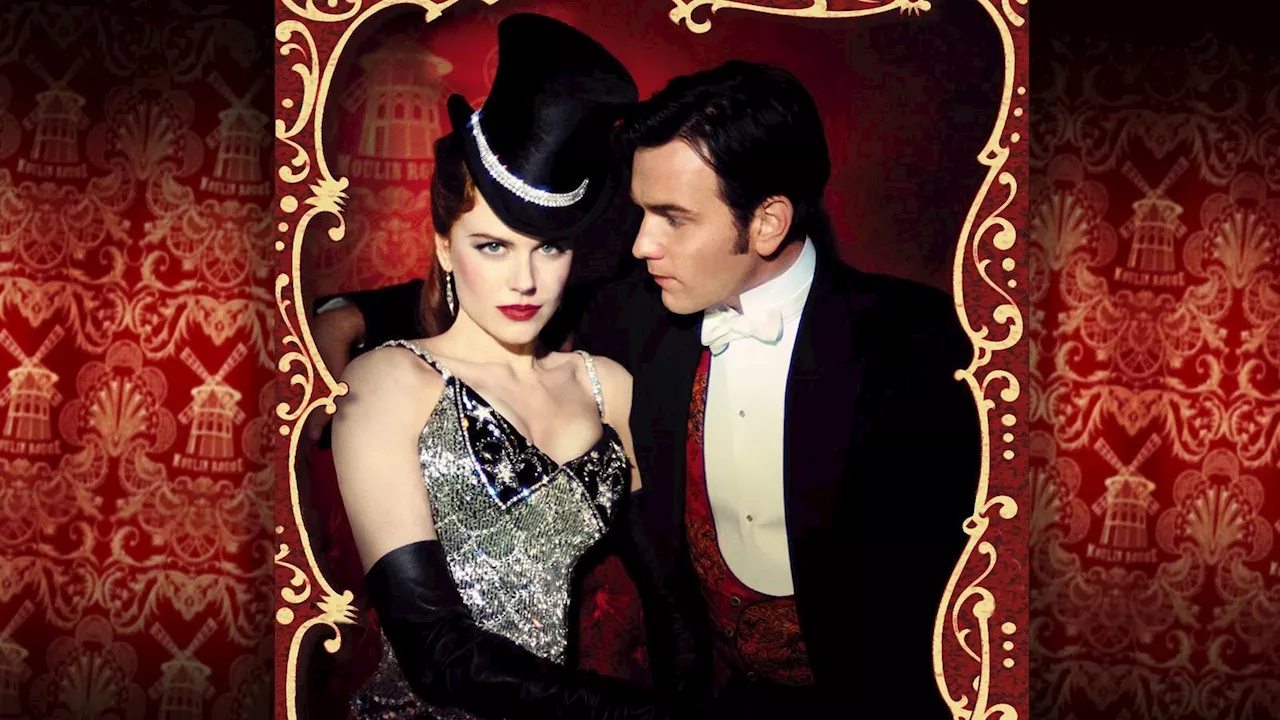
Moulin Rouge!
Set in 1899 Paris, Moulin Rouge! is a vibrant jukebox musical that redefines period storytelling. Directed by Baz Luhrmann, the film follows Christian, a young poet who falls in love with Satine, the star courtesan of the Moulin Rouge. The film’s bold use of modern pop songs, such as Nirvana lyrics and Elton John ballads, creates an emotional immediacy. The blend of contemporary dialogue and humor with historical elements makes the narrative feel relatable and urgent, immersing audiences in its bohemian spirit.
A Knight’s Tale
In A Knight’s Tale, Heath Ledger shines as William Thatcher, a peasant disguised as a noble knight. The film opens with a crowd chanting “We Will Rock You” at a medieval jousting tournament, setting the tone for its playful anachronism. By mixing classic rock anthems with medieval adventure, the film creates a fun, stylized world that emphasizes themes of aspiration and love over historical realism.
The Love Witch
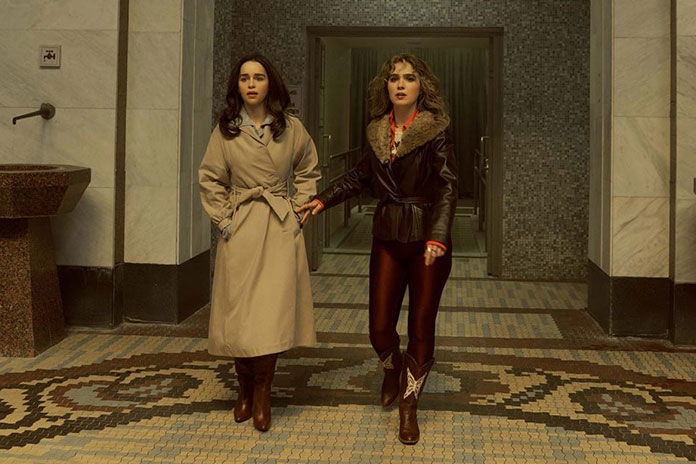
The modern film The Love Witch is a striking homage to 1960s Technicolor thrillers. Directed by Anna Biller, the story revolves around Elaine, a witch determined to find true love through spells. Everything from the film’s aesthetic to its dialogue reflects an era long past, creating a surreal atmosphere where contemporary gender issues intersect with vintage cinematic fantasy. This deliberate anachronism invites viewers to reflect on timeless desires and modern anxieties.
The Green Knight
Dev Patel stars in The Green Knight, a film that navigates the journey of Gawain, King Arthur’s nephew. Although based on a medieval poem, the film employs a dreamlike style that evokes a mythic interpretation of the Middle Ages. The dialogue blends archaic and modern tones, while visual elements draw from various art traditions. As Gawain faces moral tests and personal dilemmas, the film resonates with contemporary existential questions.
Romeo + Juliet
In another standout from Baz Luhrmann, Romeo + Juliet transports Shakespeare’s classic tale to a flashy, modern city. The film juxtaposes Shakespearean dialogue with contemporary visuals, including car chases and beach shootouts. By infusing the narrative with modern music and settings, the film captures the raw emotional intensity of the original play, making it accessible to new audiences.
The Great Gatsby
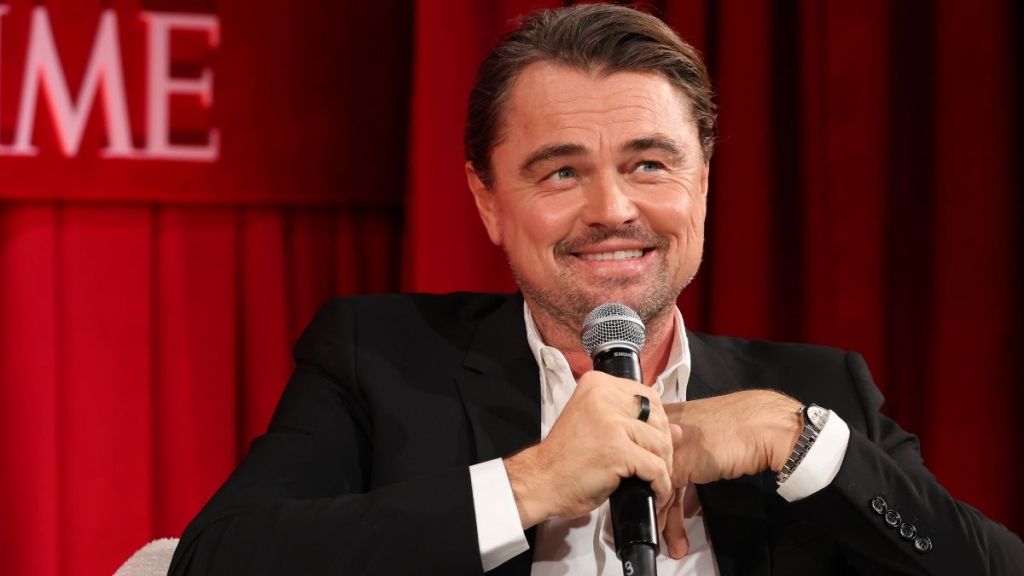
With The Great Gatsby, Luhrmann reimagines the Jazz Age through a modern lens. Starring Leonardo DiCaprio as Jay Gatsby, the film juxtaposes 1920s aesthetics with contemporary music, including hip-hop and pop tracks. This blend reinforces the story’s themes of illusion and aspiration, making Gatsby’s extravagant world feel both familiar and fantastical.
Brick
Rian Johnson takes a bold approach in Brick, a modern-day high school film that channels 1940s noir. The protagonist, Brendan Frye, investigates his ex-girlfriend’s disappearance in a world of teenage crime. The film’s dialogue, steeped in noir slang, alongside its visual style, creates a unique juxtaposition of eras that transforms typical adolescent dynamics into high-stakes drama.
Marie Antoinette
In Marie Antoinette, Sofia Coppola presents the life of the French queen as seen through the lens of a modern teenager. The film’s deliberate anachronisms—such as Converse sneakers and 1980s music—create a relatable portrait of a young woman grappling with isolation and societal expectations. This playful yet poignant reimagining challenges traditional period dramas, emphasizing the personal struggles of its historical figure.
The Princess Bride
A classic tale, The Princess Bride employs a storytelling frame that allows for a seamless blend of time periods and genres. The film follows a group of characters navigating a whimsical world filled with adventure and romance. Its dialogue is modern, creating a self-aware narrative that both critiques and celebrates fairy tale tropes, resulting in a timeless story that resonates with audiences across generations.
The Favourite
Lastly, The Favourite, directed by Yorgos Lanthimos, transports viewers to the court of Queen Anne in the early 1700s while maintaining a decidedly modern tone. The film explores the power dynamics between Lady Sarah Churchill and Abigail Masham, employing contemporary humor and emotional transparency. This approach highlights the absurdities of historical court life, making the narrative feel immediate and relevant.
These films exemplify how anachronism can serve as a powerful storytelling tool. By bending time and genre, they invite audiences to experience history through a contemporary lens, proving that authenticity often lies in emotional truth rather than strict adherence to historical fact.