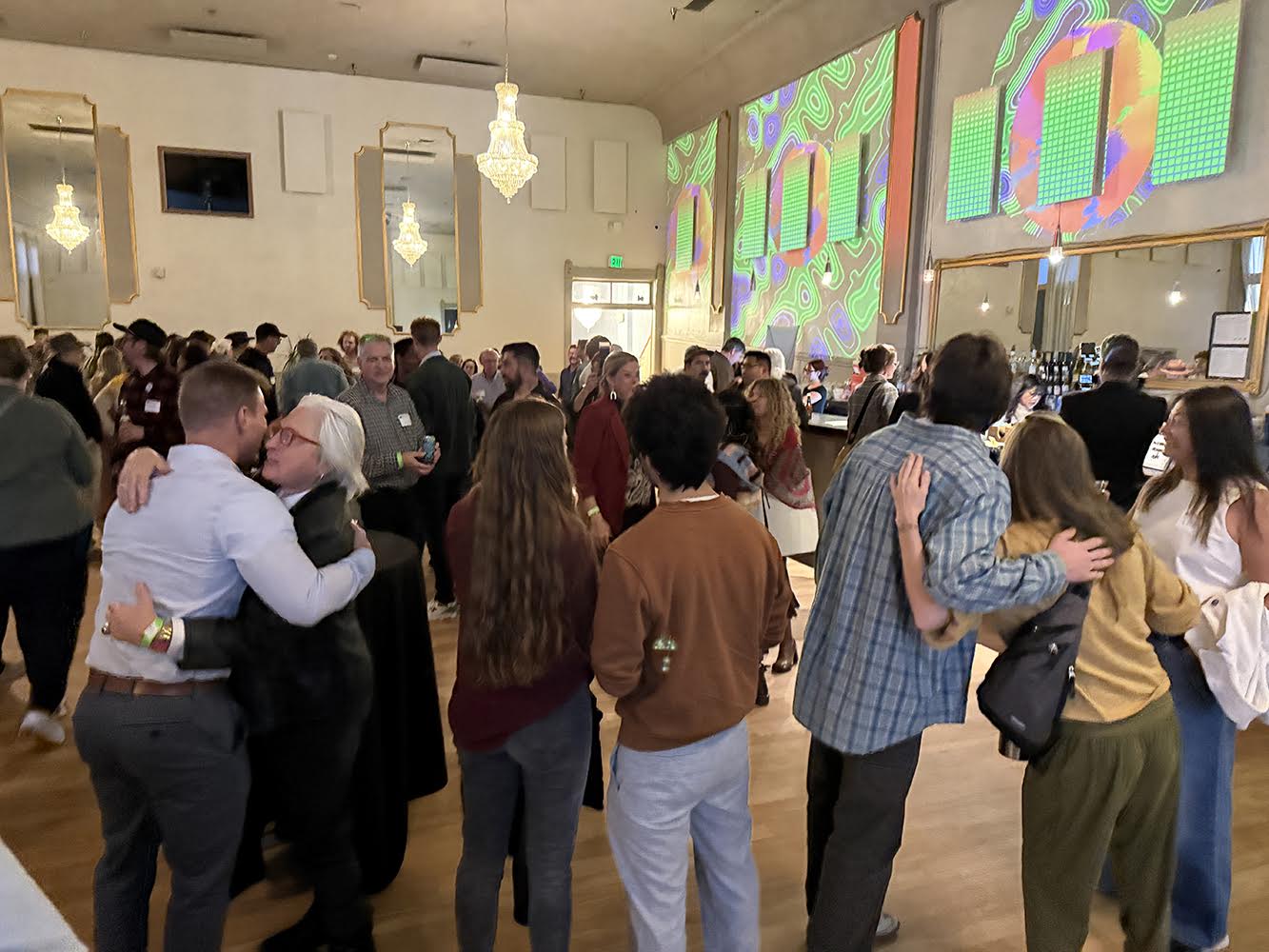
A recent feature in major publications, including a poignant piece from the New York Times, highlights the growing popularity of sobriety in social settings, framing it as a fresh cultural trend. This shift includes the emergence of curated sober parties and alcohol-free bars that present sobriety as an aspirational lifestyle choice. The Evolution of Publishing Institute has underscored this phenomenon, noting that while the trend appears new, the exploration of sobriety in literature has deep roots.
Authors such as Anna David and Marian Keyes have long depicted the complexities of addiction and recovery in their works. Nearly two decades ago, David’s novel Party Girl chronicled the journey of a young woman grappling with substance dependence amidst the allure of Hollywood nightlife. Similarly, Keyes’ Rachel’s Holiday humorously illustrated an Irish woman’s struggles with alcoholism and rehabilitation. Both novels predate the current wave of what is now termed “Quit Lit,” a genre that has gained traction with memoirs like We Are the Luckiest by Laura McKowen and Quit Like a Woman by Holly Whitaker.
Despite the rise of recovery-focused memoirs, novels addressing addiction and sobriety remain relatively scarce. David intentionally chose fiction over memoir to engage readers with humor and relatability. “I wanted to write a novel rather than a memoir because it felt like a memoir would just be too earnest,” she reflected. “It was easier to satirize the main character’s journey without a strict chronological recounting of events.”
David has re-entered the recovery discourse through her role as co-host of the award-winning podcast Recovery Rocks, alongside Lisa Smith, author of Girl Walks Out of a Bar. Originally founded by Smith and co-hosted with Tawny Lara, the podcast delves into the evolution of sobriety’s cultural landscape, featuring interviews with influential authors and figures in the recovery community.
The increasing mainstream fascination with sober social life has led to a plethora of resources, including Recovery Rocks. David commented on this development, stating, “The amount of content available today for people struggling with addiction is mind-boggling. It’s been amazing to watch recovery make its way to the mainstream.”
As society begins to embrace sobriety as a stylish and desirable lifestyle, literary reflections on the emotional challenges and victories of recovery remain crucial. The conversation around sobriety continues to evolve, with platforms like Recovery Rocks playing an essential role in shaping public perceptions and providing support for those navigating their own journeys.
The podcast is accessible on all major platforms, contributing to a growing dialogue around sobriety and its cultural implications. As authors and creators share their experiences, the narrative surrounding sobriety shifts from one of stigma to one of empowerment and community.