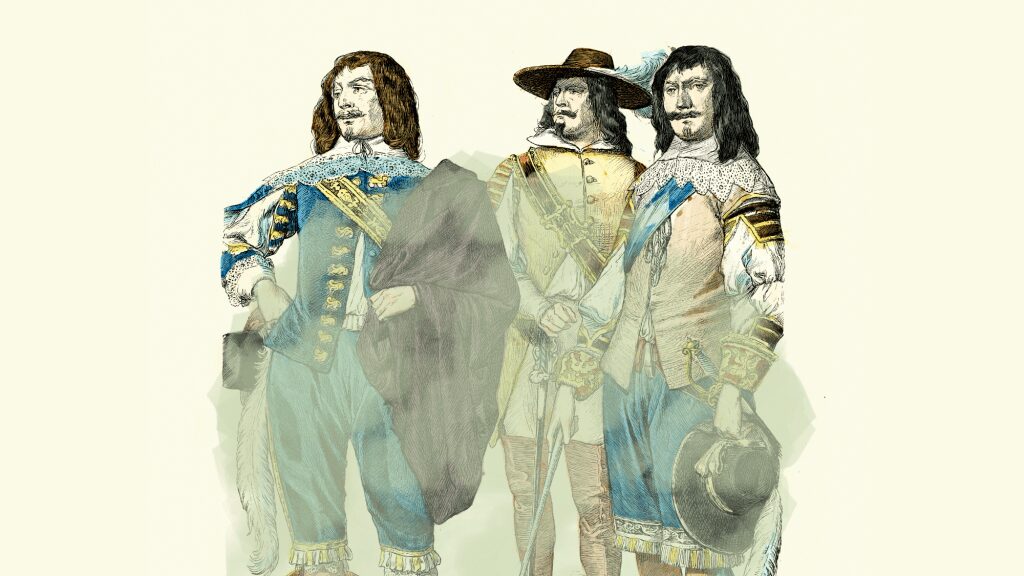
The vanvera, a peculiar device from the 17th century, served a unique purpose: allowing aristocrats to relieve themselves discreetly during social gatherings. This small leather pouch, designed to fit against the wearer’s backside, effectively masked both sound and odor, enabling upper-class individuals to navigate the delicate social etiquette of their time without embarrassment.
The vanvera has recently gained attention as a historical oddity, with an example currently displayed at the Sex Machines Museum in Prague. Its design reflects the lengths to which some people went to maintain decorum in social situations. When the user needed privacy, the pouch could be emptied by hand, a practice that underscores the era’s commitment to maintaining reputation over comfort.
Historical Context and Usage
Although the vanvera’s origins remain somewhat unclear, experts agree it became prevalent in Europe during the 1600s, particularly in Italy. At this time, societal expectations around etiquette were stringent, especially regarding bodily functions. Some sources speculate that the device may have roots tracing back to ancient Egypt or Rome, but concrete evidence supporting these claims is lacking.
Reports indicate that the vanvera appeared in various forms. The simplest version was a leather sack worn discreetly under skirts, while wealthier households sometimes employed more elaborate solutions. Some aristocrats constructed intricate piping systems connected to their beds, allowing any nighttime flatulence to be funneled outside through windows, thereby preserving nighttime decorum.
Design Innovations and Failures
Attempts to improve the functionality of the vanvera led to some unusual design experiments. One notable version included a metal pouch fitted into undergarments, filled with dried herbs such as lavender, rosemary, and sage. The intention was for gas to pass through the pouch and emerge with a pleasant aroma, likened to “a breeze from the fields of Provence.” However, this design failed to mask the accompanying sounds, defeating its purpose and leading to its decline in popularity.
The vanvera’s story highlights a longstanding human concern: the embarrassment associated with natural bodily functions. While our methods for addressing these issues have evolved over time, the fundamental desire for discretion remains unchanged.
Ultimately, the vanvera never became a ubiquitous solution and gradually faded as fashion changed and plumbing systems improved. Nevertheless, its existence reveals the creative ways people have historically approached personal embarrassment, showcasing a commitment to dignity that remains a part of human nature.
In a world where scented candles and discreet excuses are commonplace, the aristocracy of the 17th century quite literally engineered their way around discomfort. The vanvera serves as a reminder of how the quest for social grace can lead to inventive, if not entirely practical, solutions.