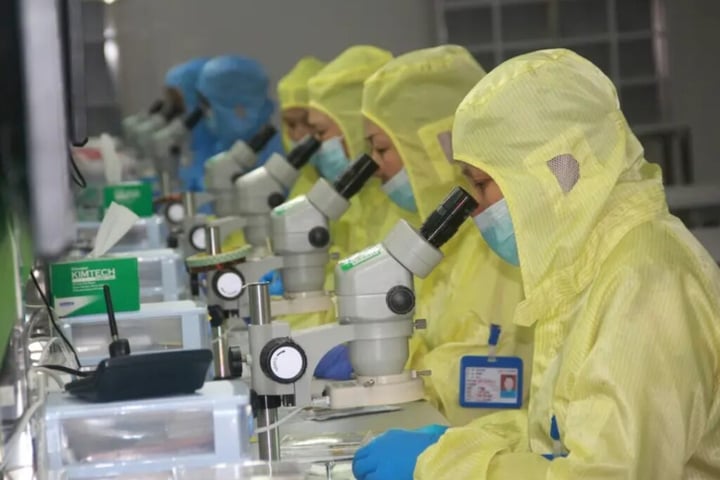
The Chinese biopharmaceutical sector experienced significant growth in 2025, marked by a surge in licensing deals and drug approvals. The total value of outbound licensing and drug development agreements reached nearly $136 billion, reflecting a remarkable 161% increase from the previous year. This momentum is attributed to strategic regulatory changes aimed at accelerating the introduction of innovative drugs to the market.
Market Dynamics and Capital Inflows
Last year, Hong Kong’s biopharma landscape revitalized as new treatments began to unlock their potential. The Hang Seng Healthcare Index skyrocketed by 76%, significantly outperforming the broader Hang Seng benchmark, which recorded a 26% increase in pharmaceutical stocks listed in mainland China. This rally was fueled by a record influx of capital, with net southbound investments from Chinese investors into Hong Kong reaching HK$1.4 trillion ($180 billion) in 2025. The healthcare sector alone saw investments rise by 126%, totaling HK$540 billion.
These capital flows boosted liquidity and facilitated numerous licensing and partnership deals, estimated to be worth over $130 billion. While the growth appears robust, it is important to note that not all companies benefited equally. Firms with solid drug prospects and established commercial pipelines thrived, whereas those dependent on a single product or still in early development stages faced investor skepticism.
Winners and Losers in the Sector
Notable gainers included Weigao Group, whose shares rose 38%, and MicroPort Scientific, which saw a 76% annual increase. Outsourced drug service providers also reaped rewards from sustained investments, leading to reliable earnings. Conversely, companies in dental and medical aesthetics faced challenges. Arrail Group and Giant Biogene saw their shares drop nearly 40% due to intense competition and decreased consumer spending on non-essential medical services.
The supportive policy approach from Chinese authorities toward Hong Kong listings further bolstered market confidence. Over 90 biopharmaceutical firms applied to list on the Hong Kong exchange in 2025, with more than 20 successfully achieving their goals, doubling the previous year’s figures. Hengrui Pharma raised HK$11.3 billion in one of the top five Hong Kong IPOs of the year, with its shares climbing over 30% thereafter.
International collaborations for innovative drugs contributed significantly to the sector’s success. Industry data from PharmCube reported that the total value of outbound licensing and business development deals for Chinese innovative drugs reached $135.66 billion by the end of 2025, marking another record high. Notably, a landmark agreement between Hengrui and global pharmaceutical giant GSK encompassed 12 innovative drug programs, providing Hengrui with $500 million upfront and potential milestone payments of up to $12 billion.
Looking Ahead: Opportunities and Challenges
As the sector moves into 2026, favorable U.S. credit conditions and initiatives to integrate more novel drugs into China’s medical system could enhance profitability for leading firms like BeiGene. The Hong Kong-listed pharmaceutical companies may be entering a transformative phase where investment potential translates into tangible value.
The National Medical Products Administration approved a record 76 innovative drugs for market launch in 2025, up from 48 the previous year. In December, the authorities introduced the country’s first commercial insurance catalogue for innovative drugs, establishing a dual-coverage model that combines basic medical insurance with commercial options. This development includes high-value immunotherapies, such as CAR-T and PD-1 drugs, which could enhance clinical treatment standards and improve returns on research and development investments.
Leading innovative drugmakers with extensive pipelines, including Innovent Biologics and Akeso, stand to benefit from new commercial insurance incomes that could support their expansion efforts. However, challenges remain on the horizon. The expiration of post-listing lockups could lead to increased selling pressure in the already active IPO market. Furthermore, tighter scrutiny from stock market regulators is anticipated, with recent warnings issued to IPO sponsors about declining application quality and compliance concerns.
Despite the thriving market conditions, many companies that listed under relaxed rules continue to face difficulties in converting their research and development investments into commercial success. Only Zylox-Tonbridge and Everest Medicines have successfully moved beyond pre-revenue status, while others still strive to achieve profitability.
As the biopharmaceutical sector adapts to these evolving dynamics, the coming year will be crucial for determining how these opportunities and challenges unfold.