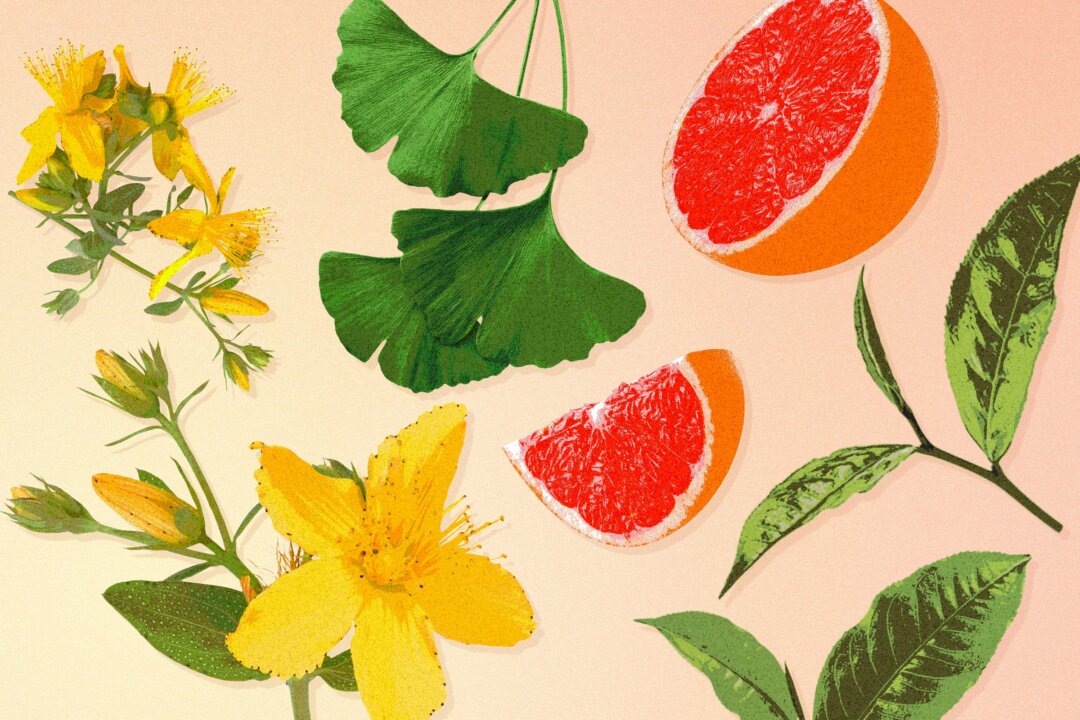
Many individuals may be unaware that their daily choices regarding food and supplements can significantly impact prescription medications. Recent findings reveal that common items like grapefruit and green tea may interfere with the effectiveness of various medications, posing potential health risks for millions.
According to data, approximately 75% of Americans use dietary supplements, and nearly two-thirds are on prescription drugs. This widespread consumption raises concerns about the inadvertent mixing of substances that should remain separate. Certain foods and supplements can either diminish the intended effects of medications or exacerbate their potency to dangerous levels.
Grapefruit: A Major Concern
One of the most problematic interactions involves grapefruit. Research indicates that more than 85 medications can interact negatively with this fruit. Grapefruit contains compounds that inhibit enzymes responsible for metabolizing various drugs. As a result, medications might not break down properly, leading to ineffective treatment or unanticipated side effects.
Patients taking medications for conditions such as high blood pressure, cholesterol, or certain cancer treatments are particularly at risk. For instance, the combination of grapefruit with statins, commonly prescribed for cholesterol management, can lead to elevated drug levels in the bloodstream, increasing the likelihood of adverse reactions.
Other Common Interfering Substances
Green tea, another popular choice among health-conscious consumers, can also pose risks. While it is often lauded for its health benefits, it may inhibit the effectiveness of certain cancer treatments. The catechins found in green tea can impact how medications work, potentially leading to reduced efficacy in critical therapies.
Additionally, St. John’s wort, frequently used for mood support, can interfere with hormonal birth control. This herbal supplement not only reduces the effectiveness of contraceptives but may also instigate unintended pregnancies.
The combination of these substances with prescribed medications is not uncommon, yet many individuals remain unaware of the potential consequences. Health professionals emphasize the importance of consulting with a doctor or pharmacist before adding any new supplements to a medication regimen.
The U.S. Food and Drug Administration (FDA) strongly advises patients to disclose all supplements and over-the-counter medications they are taking to their healthcare providers. This transparency can help mitigate risks associated with drug interactions and ensure that treatments remain safe and effective.
Overall, while dietary supplements and natural foods can contribute to health, it is crucial to remain informed about their interactions with prescribed medications. Understanding these relationships can help individuals make better choices and protect their health in the long run.