As the holiday season approaches, fresh cranberries are making their seasonal debut, offering a tart and sweet addition to festive meals. Harvested primarily in September and October, cranberries are a major agricultural product in North America, with the United States and Canada accounting for over 95% of global production. Despite their popularity, only about 5% of cranberries are sold fresh, with most being processed into juice, sauce, or dried snacks.
Fresh cranberries can evoke mixed feelings among consumers. The initial bite often results in a sharp contrast of flavors, prompting reactions that range from surprise to delight. For many, the experience of eating fresh cranberries is a ritual, one that can be both satisfying and challenging. These small, vibrant berries are most frequently used to create cranberry sauce, a staple during Thanksgiving celebrations. Americans consume approximately five million gallons of cranberry sauce each holiday season, highlighting its significance in festive meals.
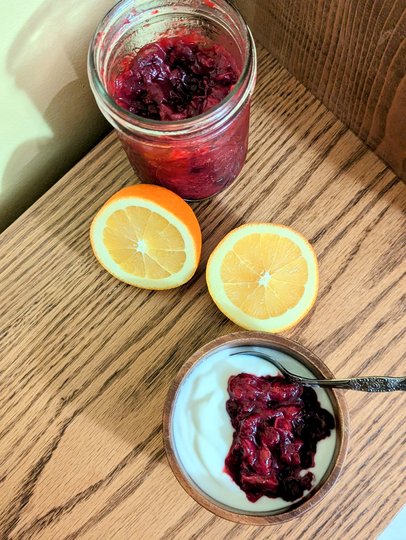
Despite their traditional role in holiday feasts, cranberry sauce is not universally embraced. Many families, including those of food enthusiasts, find themselves with leftover sauce after the festivities. Amanda Miller, a local food writer from Reno County, has explored creative uses for cranberry sauce beyond the dinner table. She experimented with three distinct recipes, showcasing the versatility of cranberries. These include a classic sauce, a honey-thickened variation, and a version infused with orange, agave, and cinnamon.
Miller notes that while cranberry sauce is often linked to turkey dishes, its potential expands when paired with other ingredients. She suggests that leftover sauce can enhance cold turkey sandwiches, complement desserts like whipped cream and vanilla ice cream, or even be spread on toast with cream cheese. The natural pectin in cranberries contributes to a desirable texture in sauces, making them suitable for various culinary applications.
Simple Orange-Agave Cranberry Sauce Recipe
For those looking to create their own cranberry sauce, Miller shares a straightforward recipe that captures the essence of fresh cranberries. This sauce not only serves as a flavorful accompaniment to roasted meats but can also be enjoyed in more unconventional ways.
Ingredients:
– 1 large orange
– 1 (12 oz) bag of fresh cranberries
– 1/2 cup orange juice or water
– Approximately 1/2 cup agave, to taste
– A hefty dash of cinnamon
To prepare, zest the orange into a saucepan, then peel and dice the fruit, adding it along with the remaining ingredients. Bring the mixture to a simmer and cook for about 10 minutes, allowing the cranberries to burst and release their flavor. Once cooled, the sauce is ready to be enjoyed in various dishes or simply as a snack.
Miller’s exploration of cranberries illustrates the fruit’s adaptability in the kitchen. While they are often relegated to the holiday table, fresh cranberries can shine year-round, offering opportunities for creative cooking. With the right recipes, they can transform a simple meal into a flavorful experience, proving that these tart berries deserve a more prominent place in our culinary repertoire.
As the holiday season approaches, consider adding fresh cranberries to your shopping list. Their unique flavor profile and versatility might just inspire new traditions in your festive celebrations.