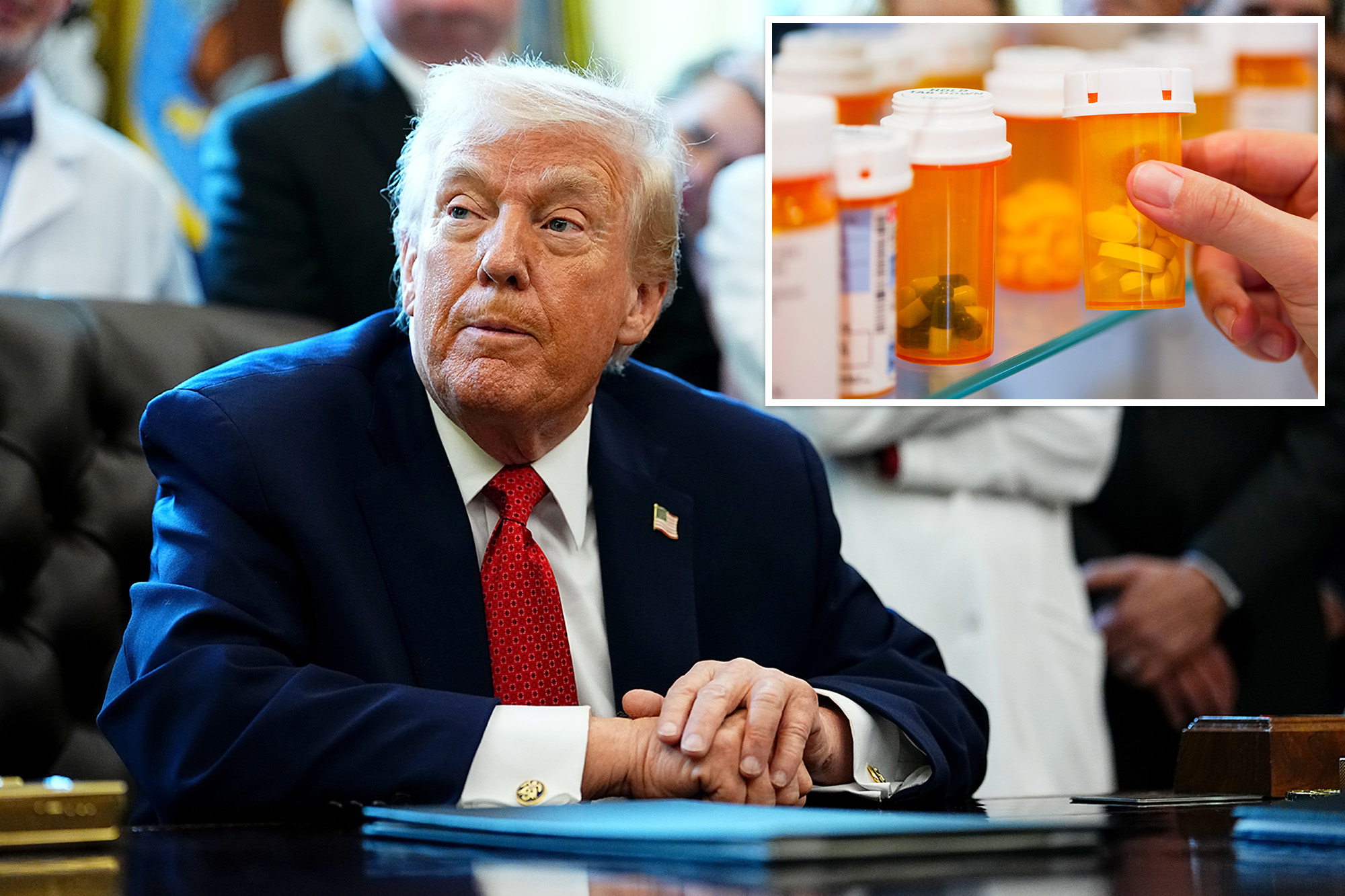
Pharmaceutical companies are preparing to increase prices on at least 350 branded medications in the United States, including vaccines for COVID-19, respiratory syncytial virus (RSV), and shingles, as well as the popular cancer treatment Ibrance. This decision comes despite ongoing pressure from former President Donald Trump for price reductions, according to data from healthcare research firm 3 Axis Advisors.
The upcoming price hikes for 2026 surpass last year’s announcements, which involved more than 250 drugs. The median increase for this year is approximately 4%, consistent with trends observed in 2025. Notably, these increases do not account for any rebates or discounts provided to pharmacy benefit managers.
While many drugmakers are implementing price increases, some are also reducing prices on select medications. For instance, Boehringer Ingelheim‘s diabetes treatment Jardiance will see a significant price cut of over 40%, along with three related products. This adjustment comes as Jardiance is among the ten drugs for which the U.S. government successfully negotiated lower prices for the Medicare program in 2026.
U.S. patients currently face the highest prescription drug costs globally, often paying nearly three times more than individuals in other developed nations. In light of this, Trump has urged pharmaceutical companies to align their prices with those in similarly affluent countries. The list of 350 medications set for price increases is noteworthy, especially since Trump has previously negotiated pricing deals with 14 drug manufacturers for the Medicaid program and cash-paying patients.
Major companies like Pfizer, Sanofi, Boehringer Ingelheim, Novartis, and GSK are among those planning price hikes. Specifically, Pfizer intends to raise prices on approximately 80 different drugs, including Ibrance, the migraine medication Nurtec, and the COVID treatment Paxlovid. Most of these increases will be below 10%, with a notable exception being a 15% hike on the COVID vaccine Comirnaty.
Pfizer defended its price adjustments, stating that the average list price for its innovative medicines will still fall below the overall rate of inflation. The company emphasized that these moderate increases are necessary to support ongoing investments in research and development while addressing rising operational costs.
In recent years, larger price increases have become less frequent due to heightened scrutiny from lawmakers and the introduction of government policies aimed at penalizing companies that raise Medicare prices at a rate exceeding inflation. European drugmaker GSK has announced plans to increase prices on around 20 drugs and vaccines by between 2% and 8.9%, stressing its commitment to reasonable pricing to support scientific innovation.
The pharmaceutical landscape is expected to witness further price adjustments in early January, a historically significant month for drug companies to announce price changes. The data from 3 Axis Advisors, a consulting firm that collaborates with pharmacist groups, health plans, and pharmaceutical industry stakeholders, indicates that price dynamics are a crucial aspect of the ongoing discussions surrounding drug pricing and supply chain challenges in the United States.