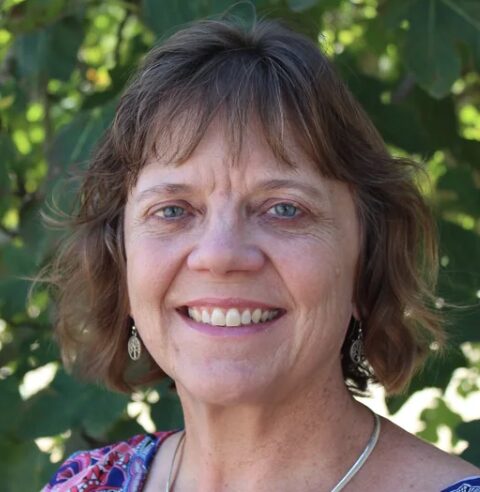
Connecting with Medicaid members has become increasingly challenging as the healthcare landscape shifts following the passage of the One Big Beautiful Bill Act. According to Rhonda Aubrey, Co-Founder and Vice President of Programs at Beheld, understanding the diverse barriers these individuals face is crucial for enhancing engagement and retention within the program. Factors like transportation, food and housing insecurity, and health literacy significantly hinder meaningful connections, making it essential to meet members where they are.
Understanding Medicaid’s Complex Landscape
Established in the 1960s, Medicaid aims to provide care to vulnerable populations in the United States. Over the years, the program has expanded to serve individuals such as those with disabilities, pregnant women, and low-income families. However, misconceptions about who Medicaid serves and its intended use have proliferated. A recent poll from the Kaiser Family Foundation revealed that 56% of Americans incorrectly believe that most working-age Medicaid recipients are unemployed. In reality, nearly two-thirds of these individuals are employed, with many others qualifying for Medicaid due to exemptions related to illness, disability, or caregiving responsibilities.
The One Big Beautiful Bill Act, introduced in 2023, is projected to impact nearly 12 million people, potentially leading to significant health insurance loss by 2034. This legislative change has sparked discussions among industry experts regarding the best ways to support Medicaid’s vulnerable populations. Aubrey’s experience managing a network of Federally Qualified Health Centers in the San Francisco East Bay highlights the need for deeper understanding and empathy towards Medicaid members, who often face systemic barriers and stereotypes.
Empathetic Outreach: A Path to Meaningful Engagement
Many Medicaid members are unjustly labeled as difficult or non-compliant, often due to a lack of understanding of their circumstances. To improve member engagement, it is essential to recognize their humanity and the complexities of their lives. Systemic inefficiencies, such as high turnover in enrollment and administrative hurdles, contribute to interruptions in care. New regulations under the OBBA have introduced additional documentation requirements, increasing the burden on members and potentially leading to loss of coverage.
Aubrey emphasizes that consistent, empathetic outreach can create meaningful connections. Studies indicate that empathy-based interventions—such as regular phone check-ins conducted by trained non-medical staff—can lead to significant improvements in mental and physical health outcomes. These connections foster trust and reveal additional needs, helping to prevent condition escalations.
Members benefit immensely from knowing that their healthcare providers genuinely care about their well-being. By adapting communication approaches to honor the unique challenges faced by Medicaid members, healthcare providers can enhance engagement and promote continuity of care. Individualized outreach that respects members’ circumstances can lead to stronger relationships and improved health outcomes.
To drive substantial change, it is crucial for Medicaid plans and providers to adopt a culture of validation and connection. Labeling members as non-compliant can perpetuate feelings of disenfranchisement. Instead, when plans demonstrate a genuine concern for members’ everyday struggles, they can create transformative moments that inspire engagement.
The current experience of Medicaid members is often fragmented and inconsistent. By focusing on empathetic listening and understanding, healthcare providers can begin to rebuild trust and address the gaps between Medicaid and the populations it serves. A human-centered approach to member engagement can facilitate better retention rates, enhance health outcomes, and increase overall satisfaction with the program.
Rhonda Aubrey, a seasoned healthcare leader and nurse, brings over three decades of experience in healthcare operations and innovation to her role at Beheld. Her expertise in designing compassionate, evidence-informed programs positions her to lead initiatives that can significantly impact Medicaid member engagement and health outcomes.