As holiday festivities ramp up, many individuals find themselves facing the aftermath of overindulgence in alcohol. From office parties to New Year’s Eve celebrations, the quest for effective hangover remedies often leads to reliance on popular myths. Experts are now clarifying that many of these supposed solutions may not alleviate symptoms or address the underlying issues caused by alcohol consumption.
The hangover itself is a product of the body’s reaction to the harmful byproducts generated as it processes alcohol, according to the National Institutes of Health. “Most hangover ‘cures’ fail because they treat the liver like a sponge rather than a chemical processing plant that it is,” stated Dr. Hillary Lin, a physician based in New York City. The consensus among health professionals is clear: there is no quick fix for a hangover, and understanding this can help in managing one’s drinking habits during the holidays.
Debunking Common Myths
Experts have identified five prevalent myths surrounding hangover remedies, shedding light on what truly works.
1. **‘Hair of the Dog’**
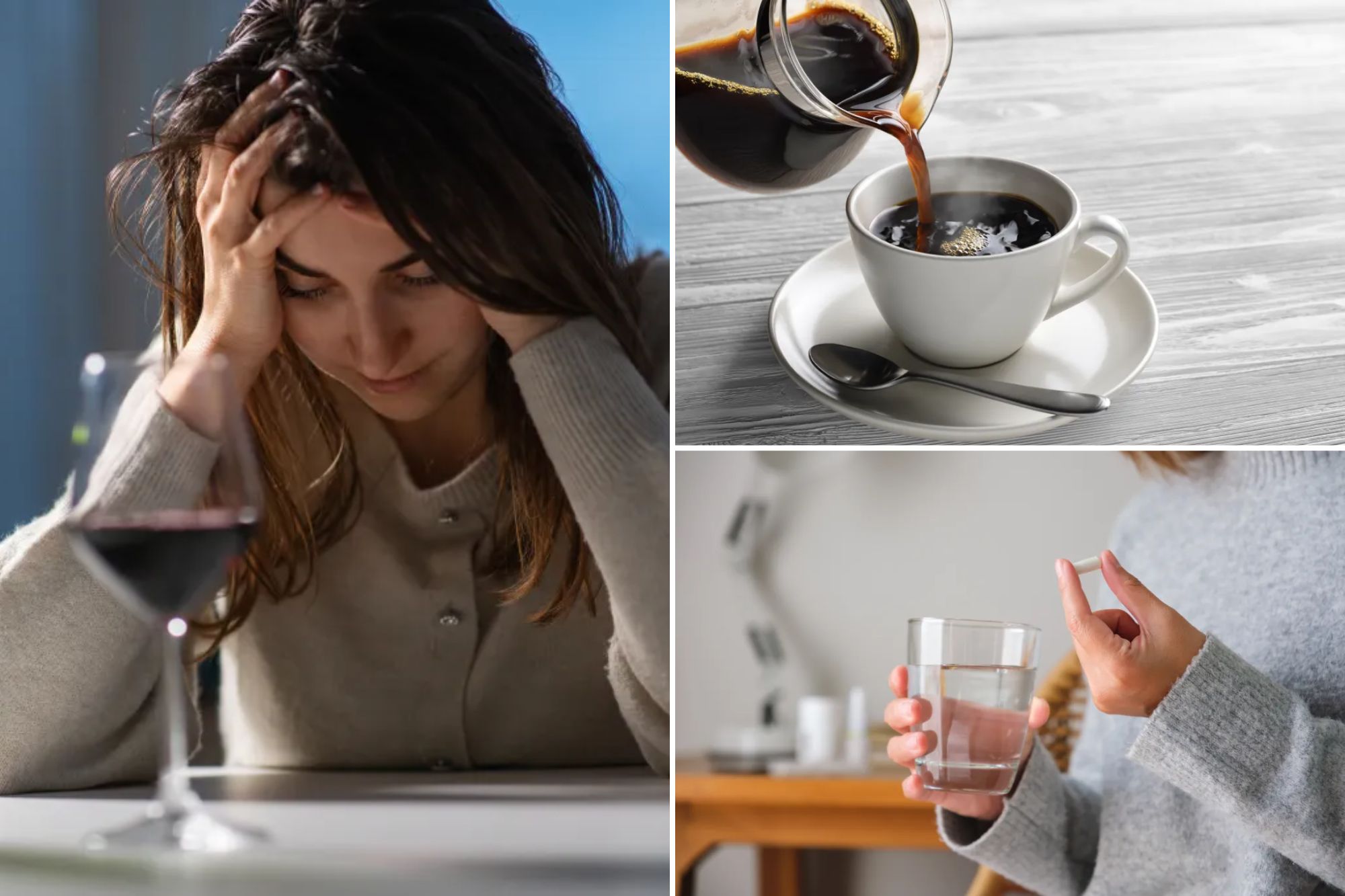
The practice of consuming more alcohol to relieve hangover symptoms, often referred to as “hair of the dog,” is misleading. “It only kicks the can down the road,” explained Alexa Ryan, a neurotherapist and clinical dietitian from California. While it might temporarily dull symptoms, this approach forces the liver to work harder without addressing dehydration and inflammation.
2. **Greasy Breakfasts**
Contrary to popular belief, a heavy breakfast does not remedy a hangover. “By the time you wake up, the alcohol has long since left your stomach,” Lin noted. Instead, experts suggest that eating before or during drinking may slow alcohol absorption, while foods like eggs and fruits could be beneficial post-drinking, though evidence remains limited.
3. **Coffee or Lemon Water**
Many turn to coffee or lemon water, thinking they will detoxify the body. However, Ryan clarified, “Detoxification doesn’t work that way.” By the time symptoms manifest, the alcohol has already caused various disruptions in the body. Coffee can exacerbate dehydration and increase anxiety, making hydration with plain water the best option.
4. **Patches or Supplements**
Not all hangover patches or supplements deliver results, according to experts. Many act too late to be effective. However, emerging probiotics show promise by targeting acetaldehyde in the gut before it enters the bloodstream. Lin also recommends a high-quality electrolyte mix before bed for better recovery.
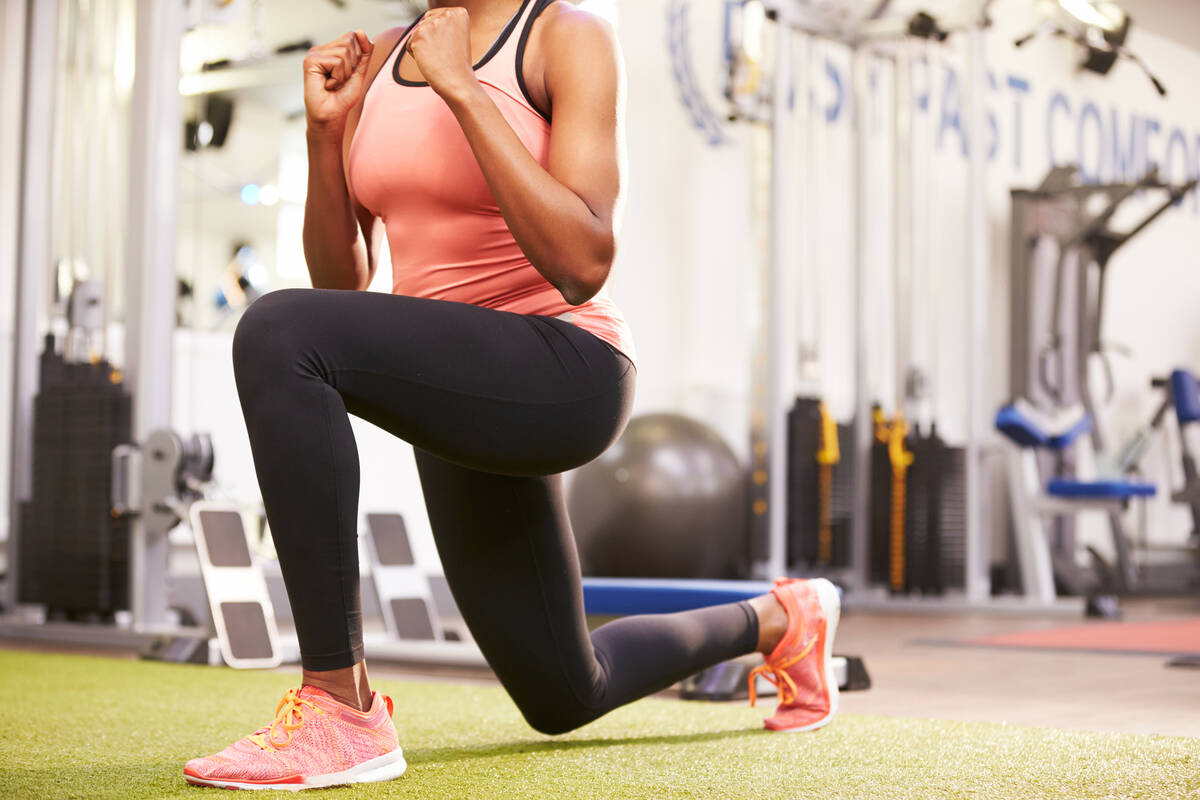
5. **‘Sweat-It-Out’ Exercise**
The idea that exercise can speed up alcohol clearance is a misconception. “You can’t sweat out alcohol; your liver has to metabolize it,” Ryan stated. Exercising while hungover may worsen dehydration and increase nausea, placing additional stress on the body.
No One-Size-Fits-All Solution
Despite the plethora of claims surrounding hangover cures, experts agree that there is no definitive remedy. The most effective strategy is to moderate alcohol consumption and avoid binge drinking, defined by the Centers for Disease Control and Prevention as consuming five or more standard drinks for men and four for women in a single occasion. Alternating alcoholic beverages with water or non-alcoholic drinks can significantly reduce hangover severity.
It is crucial to acknowledge that no alcohol consumption is completely devoid of risk, as even low levels can increase cancer risk. When prevention is no longer an option, recovery hinges on adequate rest, hydration, and time. “Prioritizing fluids with electrolytes, eating a small, balanced meal, and allowing the liver to detoxify are the most effective approaches,” Ryan emphasized.
As the holiday season unfolds, staying informed about the realities of hangovers can lead to more enjoyable celebrations and healthier choices.