January marks Glaucoma Awareness Month, a time to shed light on a condition that affects more than 4 million people in the United States alone. Despite its prevalence, many individuals remain unaware that they have glaucoma, a disease often referred to as the “silent blinder.” According to Dr. Eliesa Ing, an associate professor at Oregon Health & Science University (OHSU)‘s Casey Eye Institute, nearly half of those diagnosed are oblivious to their condition.
Glaucoma encompasses various types, with some related to aging and others that may develop rapidly or slowly. Dr. Ing explains that slow-developing forms may lead to the emergence of blind spots in peripheral vision, while more aggressive types can trigger intense headaches, severe eye pain, or blurred vision. Once glaucoma progresses, it can cause permanent damage to the optic nerve, potentially resulting in blindness.
The importance of regular eye examinations cannot be overstated. Dr. Ing emphasizes that individuals who do not wear glasses are often at risk of neglecting their eye health, stating, “I think the important thing to realize is that if you don’t have an eye care provider because you don’t wear glasses, those are the people that we often really miss because they don’t go to an eye care provider on a regular basis.” Regular screenings for glaucoma are critical, as early detection can lead to effective management of the disease.
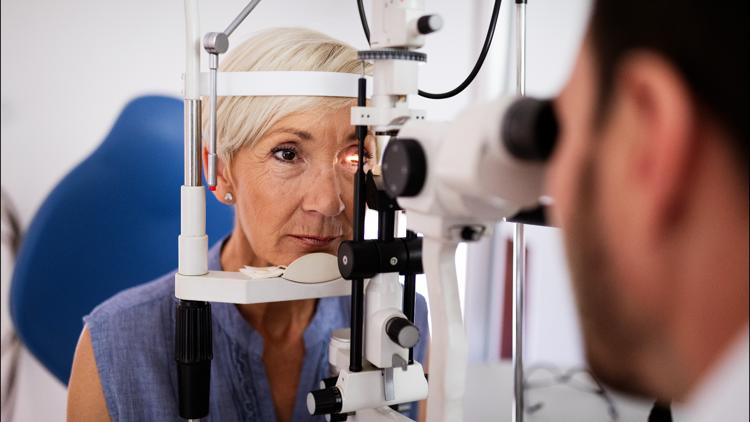
Modern imaging technologies play a significant role in diagnosing glaucoma. “We actually use a special imaging modality called OCT — which is kind of like a CAT scan but uses light rays — and we image the nerve inside of your eye and look for how robust the nerve fiber layer is or how much tissue you have,” Dr. Ing explains. This imaging technique can also identify if a person’s nerve layer is deteriorating, which is crucial for timely intervention.
Certain groups face a higher risk of developing glaucoma, including individuals of African or Hispanic descent, those with significant refractive errors, and individuals with a family history of the disease. Awareness and education are essential, particularly for these high-risk populations.
For further information about glaucoma and its implications, individuals can visit the American Glaucoma Society’s website. As January unfolds, it serves as a reminder for everyone to prioritize their eye health and engage in regular screenings, as knowledge and early detection can lead to better outcomes in managing this stealthy condition.