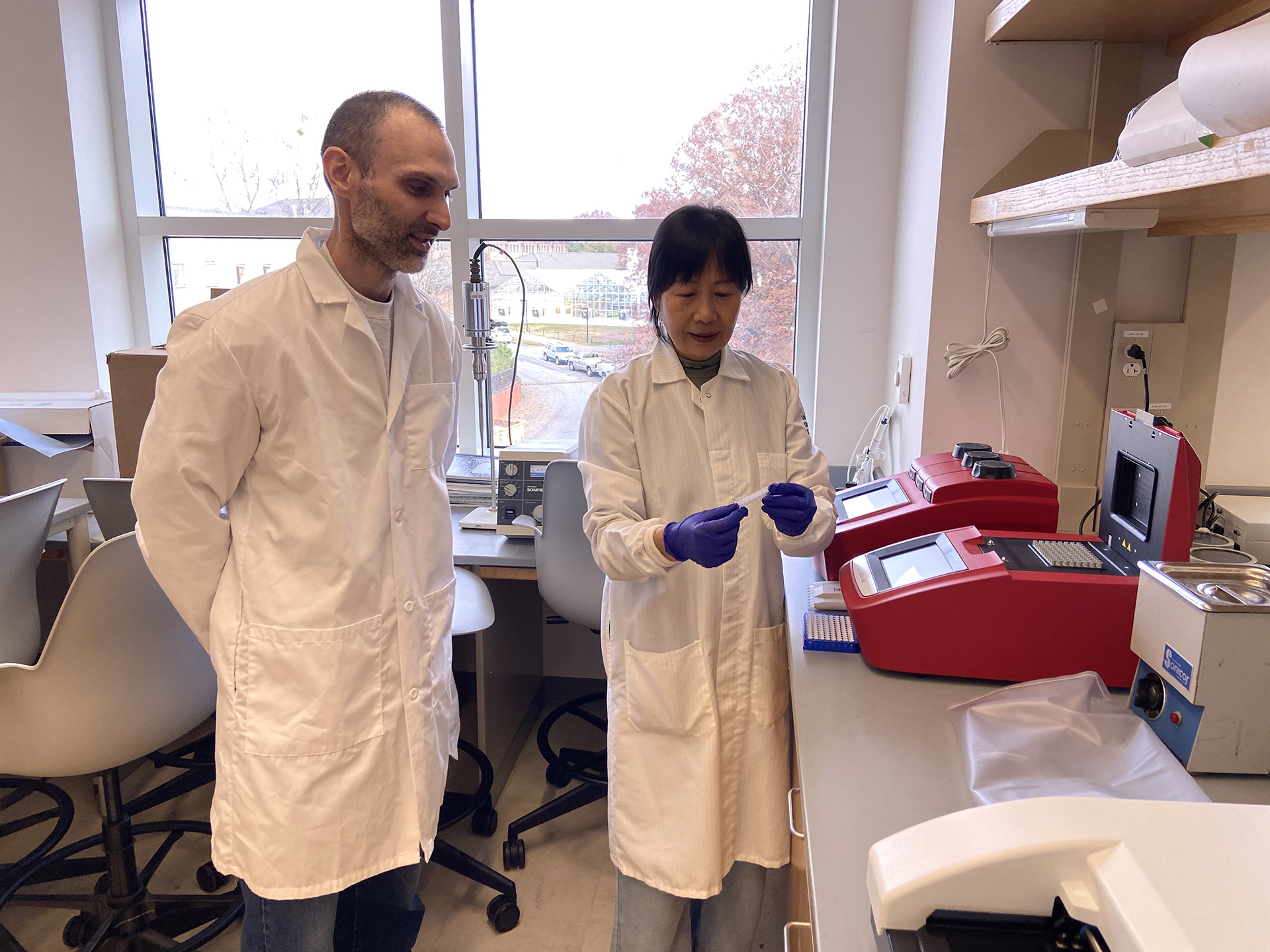
A recent review published in the journal Genomic Psychiatry has provided fresh insights into the dual nature of tau protein, reshaping the understanding of its role in both brain health and disease. Led by Dr. Peng Lei and his team, this comprehensive synthesis of existing research highlights the complexities of tau protein beyond its traditional association with neurodegenerative diseases.
The review emphasizes how tau protein, while often recognized for its pathological implications in conditions like Alzheimer’s disease, also plays a crucial role in maintaining neuronal stability and functionality. This new perspective is pivotal as it suggests that tau’s contributions to brain health may be just as significant as its involvement in various psychiatric disorders.
Understanding Tau Protein’s Dual Function
Tau protein is primarily known for stabilizing microtubules in neurons, which are essential for maintaining cellular structure and transport. However, accumulating evidence indicates that tau’s functions extend into areas of mental health and cognitive processes. The research points to tau’s involvement in regulating synaptic functions, which are vital for learning and memory.
Dr. Lei’s review synthesizes findings from multiple studies, revealing that alterations in tau protein levels can lead to various psychiatric conditions, including depression and anxiety. This connection opens new avenues for exploring tau as a potential biomarker for early detection and intervention in mental health disorders.
The review also draws attention to the implications of tau protein research for future therapeutic strategies. Understanding tau’s dual role could lead to innovative approaches that not only target neurodegenerative diseases but also address emerging psychiatric challenges.
Future Directions and Implications
As the scientific community continues to explore the intricacies of tau protein, the findings underscore the necessity for a multidisciplinary approach to brain health. The integration of neurobiology, psychiatry, and molecular research is essential for developing comprehensive treatment protocols that consider both physical and mental health.
The review concludes with a call to action for researchers to further investigate the pathways through which tau protein influences not only neurodegenerative diseases but also psychiatric disorders. This expansive view of tau could significantly enhance the understanding of brain health and lead to breakthroughs in treatment methodologies.
Overall, this review by Dr. Peng Lei and colleagues marks a significant step forward in the ongoing exploration of tau protein. By highlighting its multifaceted roles in the brain, the research sets the stage for future discoveries that could transform approaches to both neurodegenerative and psychiatric conditions.