Research indicates that more than a third of Jews living in the diaspora are experiencing significant levels of probable post-traumatic stress disorder (PTSD) linked to the events of October 7, 2023, and a rise in antisemitic incidents. A report from Hadassah UK, conducted in partnership with the mental health charity Jami, reveals that 34 percent of survey respondents met diagnostic criteria for PTSD. This finding is particularly striking given that many participants reside thousands of miles from the conflict.
The report, which surveyed 511 individuals, also highlighted alarming rates of anxiety and depression within the community. Over 40 percent of respondents displayed signs of anxiety disorders, while more than a quarter exhibited symptoms of depression.
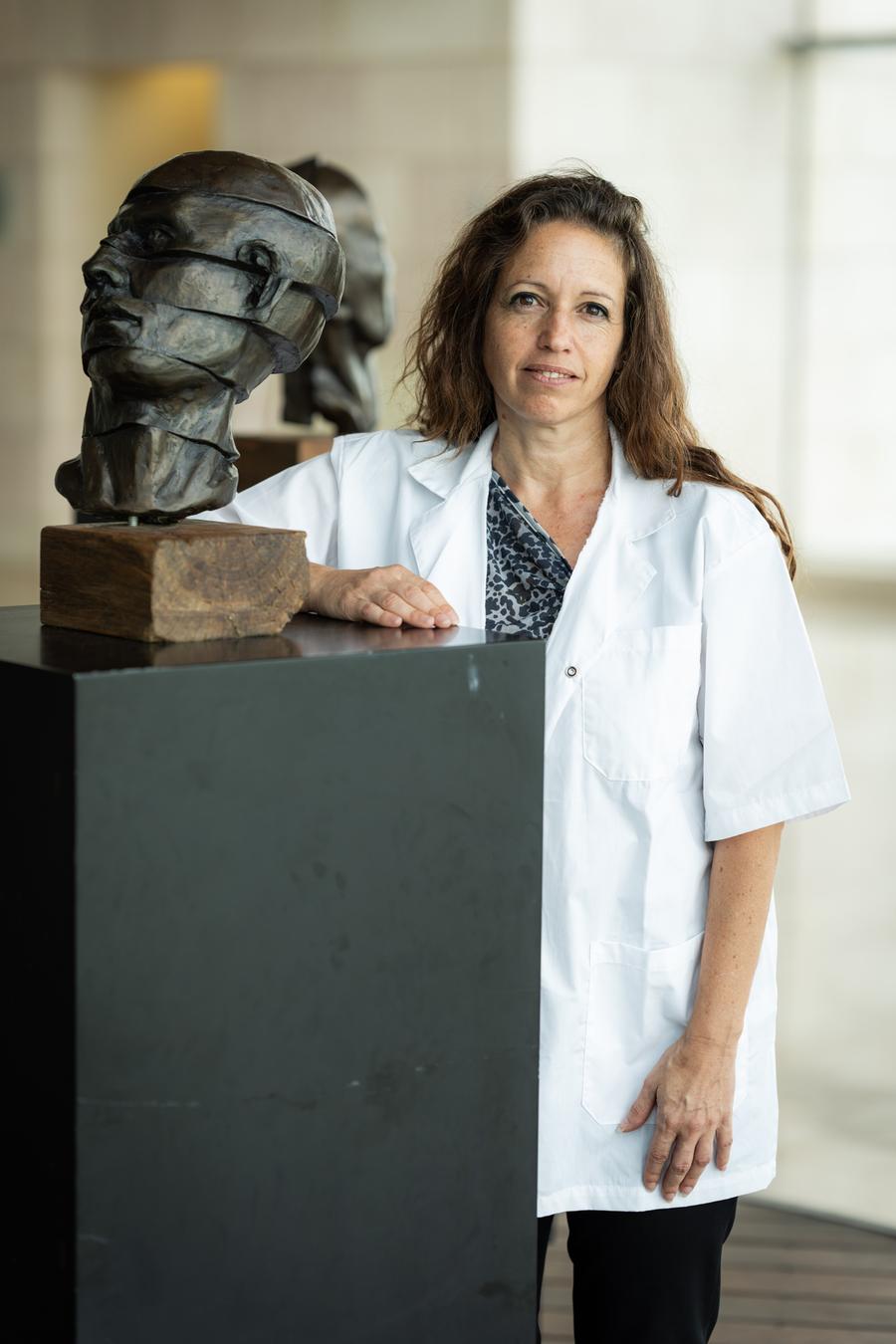
Dr. Shiri Ben-David, a co-author of the report, emphasized the importance of understanding the emotional impact these events have had globally. “Since the war began, we [Hadassah] have intensified our relationships with Jewish communities around the world, and that is how we became aware of the wide range of antisemitic incidents – especially in the UK,” she stated.
Impact of Trauma and Antisemitism
The report outlines how experiences of learned helplessness contribute to the psychological distress observed among respondents. Dr. Ben-David explained that “learned helplessness” occurs when repeated negative experiences lead individuals to believe they lack control, even when they do. This phenomenon plays a crucial role in the ongoing psychological effects of antisemitism and trauma.
Survey results revealed a correlation between the intensity of media exposure to October 7 events and feelings of helplessness. Participants reporting higher exposure were more likely to feel they could not control their safety, influence political outcomes, or protect their community. This heightened sense of vulnerability was further exacerbated by experiences of antisemitism, fostering an environment of hypervigilance that significantly undermined feelings of safety and belonging within British society.
Another notable finding was the effect of Holocaust reminders on the Jewish community’s mental health. Dr. Ben-David pointed out that while many in the Australian Jewish community are descendants of Holocaust survivors, the UK demographic is different. “Seventy-five percent of our participants were not direct descendants of Holocaust survivors,” she noted. Yet, the report suggests that the impact of the Holocaust resonates deeply across the community, influencing reactions to contemporary antisemitic incidents.
Addressing Mental Health Needs
Despite the high levels of PTSD, anxiety, and depression reported, the document suggests that social support can serve as a powerful protective factor against psychological distress. Strong relationships with family and friends, as well as community ties, can help mitigate the trauma’s effects. Dr. Ben-David remarked, “By providing support to others, you are much less helpless. We want to ‘unlearn’ this learned helplessness by showing that you can actually do things, that you are useful and meaningful to other people.”
Rob Taub, executive director of Hadassah UK, expressed the need for actionable support following the report’s findings. “This report gives clinical clarity to what many in our community have been experiencing since October 7. By combining Hadassah Medical Organisation’s expertise with UK data, it highlights the profound mental health impact of both the war and rising antisemitism.” He added that Hadassah UK is committed to collaborating with other organizations to translate these findings into practical support for resilience and recovery within the Jewish community.
The full report can be accessed at hadassahuk.org/hadassah-uk-report-trauma-and-recovery-in-the-face-of-october-7th-war/.