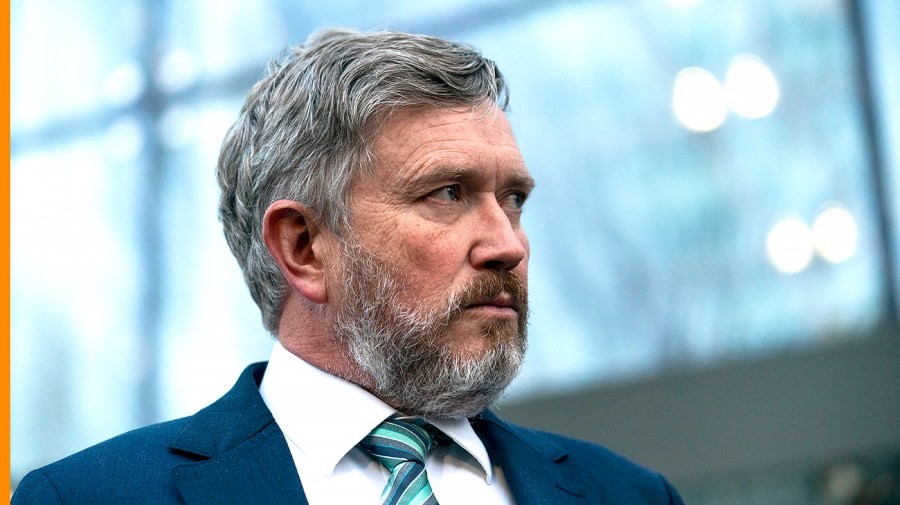
Republican Representative Thomas Massie is taking a stand against President Donald Trump’s recent executive order aimed at promoting the herbicide glyphosate. Issued this week, the order emphasizes the need to “ensure an adequate supply” of glyphosate, framing it as a matter of national security. This decision has sparked strong backlash from the Make America Healthy Again (MAHA) movement, which has consistently voiced concerns over the safety and environmental impact of glyphosate.
The executive order directs the Environmental Protection Agency (EPA) to prioritize glyphosate availability, positioning the herbicide as essential for agricultural productivity. Critics argue that this move undermines public health and environmental safety, given glyphosate’s controversial history. The chemical has been linked to various health risks, prompting calls for greater regulation and scrutiny.
Massie’s pushback reflects growing concerns within his party about the implications of endorsing glyphosate. He contends that the administration’s focus on this herbicide overlooks potential health hazards that could affect millions. “We should prioritize the health of our people over chemical production,” Massie stated, urging a reevaluation of glyphosate’s role in agriculture.
The MAHA movement, comprised of advocates for healthier living and environmental sustainability, has rallied against glyphosate for years. Their stance is supported by numerous studies suggesting adverse effects associated with glyphosate exposure, including potential carcinogenic properties. As public awareness of these issues rises, Massie’s opposition to the executive order taps into a broader sentiment among constituents who prioritize health over industrial interests.
The controversy surrounding glyphosate is not new. In 2015, the World Health Organization classified the herbicide as “probably carcinogenic to humans,” igniting a fierce debate over its safety and use. Proponents argue that glyphosate is crucial for weed management and agricultural yield, yet research continues to challenge its safety profile.
As the debate unfolds, it remains to be seen how this division within the Republican Party will influence future policies regarding glyphosate and other agricultural chemicals. Massie’s dissent highlights a growing rift between traditional agricultural interests and the emerging focus on health and environmental sustainability.
In summary, the push against Trump’s executive order signifies a significant moment in the ongoing discourse about glyphosate. With voices like Massie’s gaining traction, the implications of such policies may have enduring effects on public health and environmental regulations in the United States. The outcome of this conflict may reshape the future of agricultural practices and health advocacy, underscoring the need for a balanced approach to food production and safety.