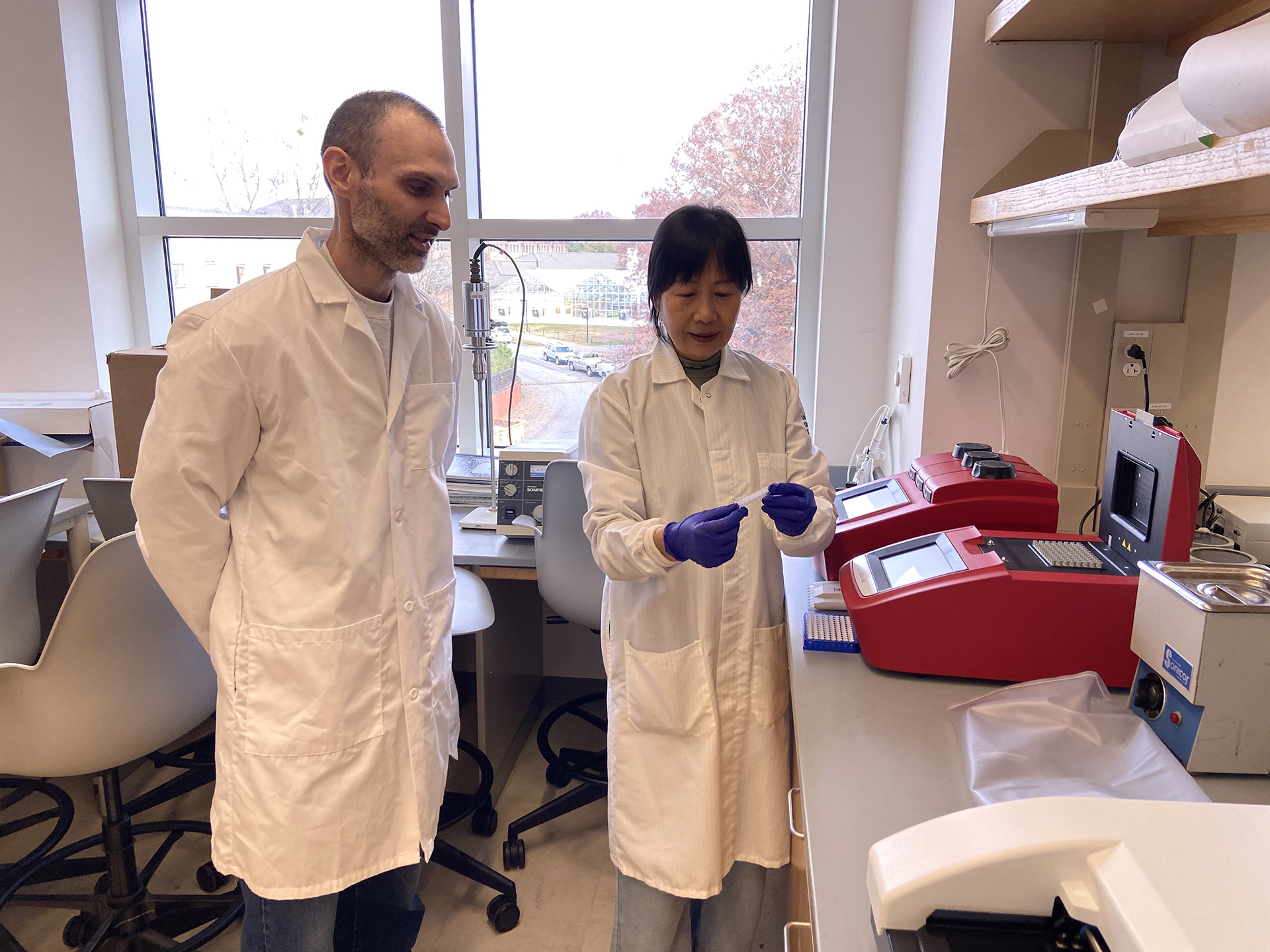
In a significant advancement for cardiovascular health, researchers at Clemson University and the Medical University of South Carolina (MUSC) have made progress in understanding how the body clears excess cholesterol. This breakthrough could lead to improved treatments for coronary artery disease and stroke, which are among the leading causes of death globally.
The research focuses on how the immune system can be harnessed to remove cholesterol from tissues, particularly from arterial walls where buildup can result in dangerous blockages. The team’s findings highlight the roles of two proteins—ABCA1 and ABCG1—which enhance the ability of immune cells to eliminate cholesterol effectively. According to Alexis “Stocko” Stamatikos, the lead researcher and associate professor at Clemson’s Department of Food, Nutrition and Packaging Sciences, existing treatments like statins do not always halt the progression of heart disease. “Our goal is to find better ways to remove cholesterol directly from the cells where it builds up,” he explained.
Revisiting Cholesterol Management
Cholesterol is a waxy, fat-like substance produced by the liver, essential for hormone production and digesting fatty foods. However, elevated cholesterol levels can lead to atherosclerosis, a condition that narrows and hardens arteries, significantly increasing the risk of heart attacks and strokes. Traditional treatments, such as statins, primarily lower the cholesterol circulating in the bloodstream. While these medications are effective for many, they do not address cholesterol already deposited in the arterial walls.
The research team is investigating how to boost the activity of ABCA1 and ABCG1 within immune cells known as macrophages, which are responsible for cleaning up cellular debris. “It’s a step forward in understanding how the body may defend itself against atherosclerosis,” Stamatikos noted. This approach could lead to more effective therapies for atherosclerosis by enhancing the body’s ability to manage cholesterol levels.
The Mechanism Behind the Breakthrough
The proteins ABCA1 and ABCG1 are part of a family of transporters that facilitate the movement of cholesterol out of cells. When activated, these proteins aid in transferring cholesterol to apolipoprotein AI (apoAI) and high-density lipoproteins (HDL), often referred to as “good cholesterol.” ApoAI is a critical component of HDL, playing multiple roles in cholesterol transport and regulation of immune responses.
By studying the functions of ABCA1 and ABCG1 in immune cells, particularly macrophages, the researchers gained insights into how the body might be trained to manage cholesterol more effectively. This research represents a potential shift from conventional cholesterol management methods to targeted cellular therapy, focusing on cleaning up existing cholesterol deposits rather than merely reducing cholesterol production.
The implications of this study are substantial. The U.S. Centers for Disease Control and Prevention (CDC) reports that over 86 million adults in the United States have cholesterol levels of 200 mg/dL or higher, significantly above the optimal level of 150 mg/dL. High cholesterol often presents no symptoms, underscoring the need for regular testing. Lifestyle factors such as poor diet, lack of exercise, and smoking contribute to elevated cholesterol levels, alongside genetic predispositions and underlying medical conditions like diabetes.
“This research could pave the way for therapies that work inside artery walls, addressing the problem at its source,” Stamatikos stated.
Looking ahead, while the research is still in its nascent stages, the potential for clinical application is promising. Future studies will focus on how to activate these proteins safely and effectively in vivo, with the aim of developing therapies that not only lower cholesterol levels but also prevent the vascular damage caused by high cholesterol.
“It’s about giving the body the tools it needs to protect itself against atherosclerosis,” Stamatikos concluded, showcasing the hopeful direction of this groundbreaking research.