Health and Human Services Secretary Robert F. Kennedy Jr. has shared insights into his extreme dietary regimen, claiming significant weight loss and enhanced mental clarity from a strict carnivore diet. During an interview on USA TODAY‘s podcast “The Excerpt,” Kennedy revealed he has lost 20 pounds in just 20 days by adhering to a meal plan focused exclusively on animal products, including meat and fermented foods.
Kennedy described his commitment to this restrictive diet, stating, “I’m on a carnivore diet the whole day, every day.” He reported achieving a substantial decrease in visceral fat, claiming to have lost 40% of this harmful fat within a month, which is linked to cardiovascular risks. While he noted some benefits might stem from the placebo effect, he remains a firm advocate of the diet.
Understanding the Carnivore Diet
The carnivore diet, characterized by the exclusive consumption of animal-based products such as meat, dairy, and eggs, has gained traction in recent years. Dr. Sean O’Mara, who appeared on Fox & Friends Weekend, discussed the purported health benefits associated with this dietary approach. He emphasized that while some individuals may experience positive outcomes, the diet’s restrictive nature raises concerns among health professionals.
Kennedy, who celebrated his 72nd birthday with a steak, pairs his meat consumption with various fermented foods. Fermented items, which undergo a natural process of breakdown by bacteria or yeast, include sauerkraut and yogurt. These foods are believed to enhance gut health and boost immunity due to their beneficial bacteria content.
Experts have noted that fermented foods can help reduce inflammation and may even improve mood and energy levels. However, they caution that such benefits do not compensate for the lack of essential nutrients typically found in fruits, vegetables, and whole grains.
Expert Opinions on Dietary Risks
Despite Kennedy’s claims, many health experts express skepticism regarding the long-term sustainability and health impacts of the carnivore diet. Dr. Mia Kazanjian, a board-certified radiologist in Connecticut, highlighted that there is insufficient scientific research backing the diet’s long-term health benefits. She remarked, “Eliminating fruits, vegetables, and whole grains is dangerous because it deprives people of essential vitamins, minerals, fiber, phytochemicals, and antioxidants.”
The potential risks linked to the carnivore diet include kidney stones, gout, and increased LDL cholesterol, leading to heightened risks of heart disease and stroke. Dr. Kazanjian advocates for a more balanced approach, recommending a Mediterranean diet rich in plant-based foods for optimal health.
Kennedy himself acknowledges the controversy surrounding his dietary choices. In response to questions about his personal eating habits, he stated, “I don’t want to make myself a role model for what people should do and shouldn’t do.” He emphasized that his dietary decisions are influenced by “gold standard science,” reflecting a commitment to evidence-based policy.
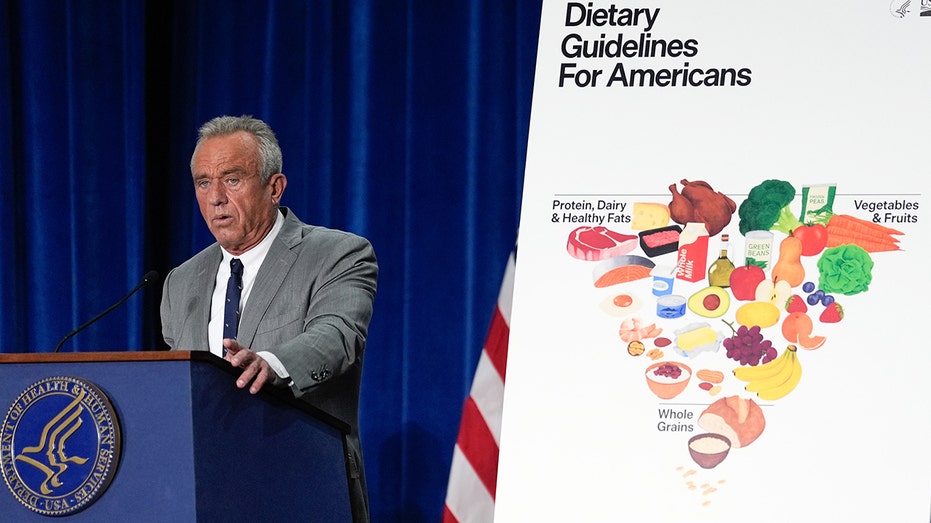
The discussion surrounding Kennedy’s dietary preferences comes at a time when updated federal dietary guidelines emphasize protein and whole foods while relaxing long-standing restrictions on saturated fat. Critics of the carnivore diet stress the need for caution and recommend consulting healthcare professionals before making significant dietary changes.
As debates over nutrition continue, Kennedy’s approach illustrates the diverse views on diet and health in contemporary society. The implications of such extreme dietary practices warrant further investigation and dialogue among health professionals and the public alike.