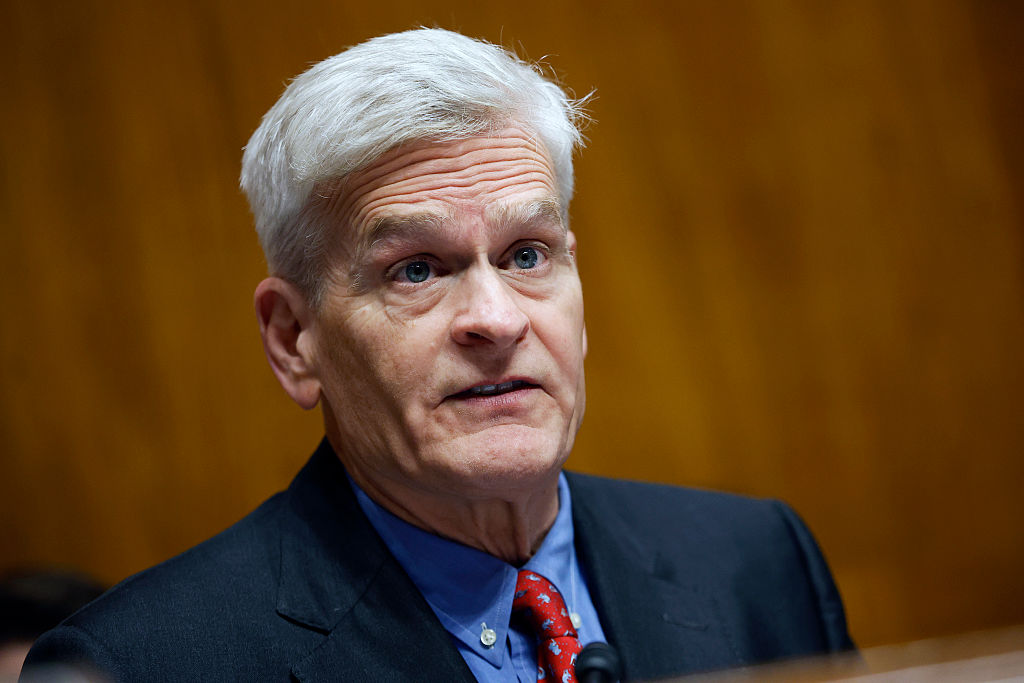
Republican Senator Bill Cassidy of Louisiana has raised significant concerns regarding potential changes to the hepatitis B vaccination schedule for infants in the United States. His apprehensions come ahead of a crucial meeting scheduled for December 4, 2023, where a panel of federal vaccine advisers led by Health and Human Services Secretary Robert F. Kennedy Jr. will discuss and possibly vote on alterations to the immunization guidelines.
Senator Cassidy’s skepticism stems from the belief that the hepatitis B vaccine and its ingredients, particularly aluminum, have been proven safe through extensive research. He criticized the proposed policy changes as being driven by individuals who lack a comprehensive understanding of hepatitis B epidemiology or who have grown complacent with the success of current vaccination strategies.
The agenda for the upcoming meeting, as outlined in a Federal Register notice, indicates that discussions will encompass vaccine safety, the childhood and adolescent immunization schedule, and specifically the hepatitis B vaccine. According to reports from The Hill, any decision to eliminate aluminum from the vaccine or to issue warnings about its use could have far-reaching implications for several essential childhood vaccinations, including those for DTaP, hepatitis A and B, human papillomavirus (HPV), pneumococcal disease, and meningitis.
While the specific changes to the hepatitis B vaccine have not yet been confirmed, Cassidy noted that the previous administration, under President Donald Trump, had advocated for separating the combined measles-mumps-rubella (MMR) vaccine into three distinct shots. As the chair of the Senate Committee on Health, Education, Labor, and Pensions, Cassidy emphasized the importance of maintaining robust vaccination programs, stating that as a physician, he has witnessed firsthand the devastating effects of vaccine-preventable diseases.
Cassidy highlighted the significant impact of the hepatitis B vaccine, which is administered to infants shortly after birth. Since the recommendation for infants to receive their first dose within 24 hours of birth was introduced in 1991, there has been a marked decline in chronic hepatitis B cases, with estimates showing a reduction of approximately 20,000 cases over the past two decades. According to data from the National Foundation for Infectious Diseases (NFID), this vaccination initiative has helped prevent over 500,000 childhood infections and resulted in a 95 percent decrease in infant hepatitis B cases.
Senator Cassidy reiterated his commitment to public health, arguing that halting recommendations that have contributed to substantial health improvements in the population would be counterproductive. As discussions about the hepatitis B vaccine continue, Cassidy’s concerns reflect a broader conversation about vaccine safety and efficacy in protecting the health of infants across the United States.