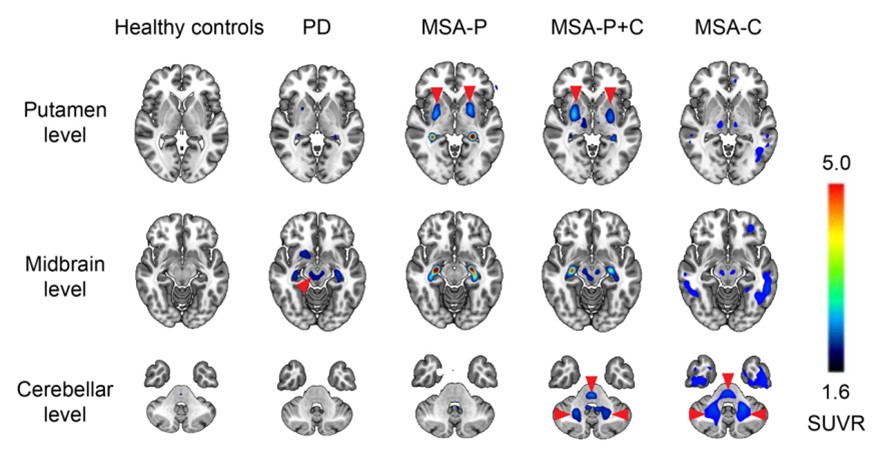
SynuSight Biotech, ABLi Therapeutics, and XingImaging have formed a strategic collaboration aimed at integrating alpha-synuclein PET imaging into clinical trials assessing the efficacy of risvodetinib as a disease-modifying therapy for Parkinson’s disease. The announcement, made on January 5, 2026, highlights a significant advancement in neurodegenerative disease research.
Under the terms of the agreement, SynuSight has licensed its innovative PET tracer, 18 F-FD4, to ABLi for use in clinical trials. This tracer is designed to evaluate the clearance of alpha-synuclein from the brain, a key pathological feature in Parkinson’s disease. SynuSight will receive an upfront payment along with ongoing license-related fees from ABLi as part of this collaboration.
XingImaging will serve as the U.S.-based manufacturer of FD4 and will integrate it with their advanced NeuroEXPLORER imaging system, located at their newly established facility in New Haven, Connecticut. This cutting-edge technology is expected to enhance the visualization of alpha-synuclein pathology, complementing existing blood-borne and tissue biomarkers developed by ABLi and its collaborators.
ABL1 plans to incorporate FD4 into two pivotal clinical trials in 2026. The first trial, named ABILITY-PD, aims to re-enroll 120 participants from a previous Phase 2a trial completed in the fourth quarter of 2024. This longitudinal study will investigate the effects of risvodetinib on various biomarkers, including those derived from brain, blood, and tissue samples, over a 12-month period. Additionally, it will assess motor and non-motor functions and the impact of treatment on dopamine transporter activity.
The second trial, known as the c-Abl inhibitor Modification of Parkinson’s Disease (CAMPD) trial, will be a Phase 2b/3 study evaluating the efficacy of risvodetinib in up to 500 participants who have not yet received treatment for Parkinson’s disease. This trial will use a double-blind, placebo-controlled design to ensure robust results.
“This collaboration represents a key milestone in the global development of FD4,” stated Roger Fan, CEO of SynuSight. He emphasized the importance of integrating molecular imaging technologies with well-structured clinical trials to explore the potential of risvodetinib at a pathological level.
Dr. Milton Werner, Chairman and CEO of ABLi, noted the significance of including alpha-synuclein PET imaging in their expanding portfolio of disease-related biomarkers. He expressed enthusiasm about the collaboration, stating that it would enhance their understanding of risvodetinib’s potential effects on Parkinson’s disease.
“This represents a pivotal opportunity to advance one of the most promising alpha-synuclein PET tracers in humans,” remarked Gilles Tamagnan, CEO of XingImaging. His comments highlight the collaborative effort’s potential to improve understanding of disease-modifying therapies in Parkinson’s disease.
### About Risvodetinib and 18 F-FD4
Risvodetinib, also referred to as ABLi-148009, is a selective small-molecule inhibitor targeting non-receptor c-Abl kinases. Designed for once-daily oral administration, it aims to address the biological mechanisms underlying Parkinson’s disease. Unlike existing treatments that primarily manage symptoms, risvodetinib is believed to modify disease progression, potentially reversing functional losses associated with Parkinson’s.
The 18 F-FD4 tracer, developed by SynuSight, is notable for its ability to penetrate the blood-brain barrier effectively. It provides a clear imaging window and has demonstrated favorable safety profiles in preclinical studies. In 2025, the tracer received a grant of $3.84 million from the Michael J. Fox Foundation, underscoring its clinical potential and the confidence placed in it by leading research institutions.
### Organizations Involved
SynuSight Biotech is dedicated to pioneering diagnostic solutions for neurodegenerative diseases. The company specializes in studying protein misfolding and aggregation, leveraging advanced technologies to develop innovative therapeutic solutions.
ABL1 Therapeutics focuses on creating small-molecule therapeutics for neurodegenerative diseases, including Parkinson’s disease and related conditions. Their research aims to develop treatments that effectively target the underlying mechanisms of these disorders.
XingImaging provides comprehensive services in radioligand development and clinical trial management, emphasizing the advancement of clinical neuroscience through innovative imaging techniques.
The collaboration among these three organizations signifies a unified effort to enhance understanding and treatment of Parkinson’s disease, with the hope of changing the landscape of care for patients worldwide.