Modern smartwatches are evolving into indispensable devices, offering features that extend beyond simple timekeeping. In 2026, ZDNET has developed a comprehensive testing methodology to evaluate the latest smartwatches, focusing on key aspects such as performance, durability, and health tracking capabilities.
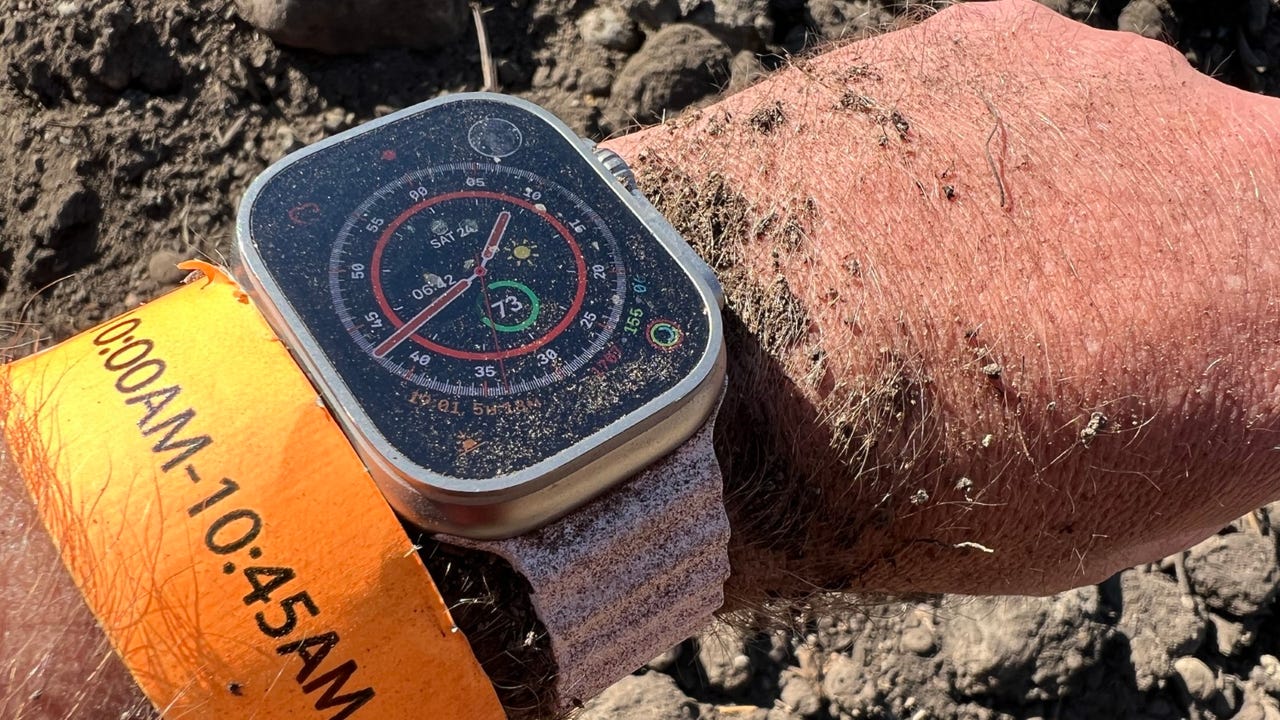
A recent standout was a smartwatch that successfully endured the challenges of a 15K Tough Mudder, highlighting the durability and robustness of these devices. Equipped with advanced features like voice assistants, crash detection, call and text support, and impressive battery life, these gadgets have become crucial tools for health and fitness tracking.
Evaluation Methodology
ZDNET typically acquires smartwatches after their public release, allowing ample time for thorough testing. Each device is worn continuously for at least two weeks, enabling assessments of battery life, health tracking accuracy, GPS precision, heart rate monitoring, and overall design.
The evaluation process is bolstered by ZDNET’s relationships with various smartwatch manufacturers, allowing for direct inquiries about hardware and software specifications during testing. While the team also examines third-party applications, the vast array of available apps means user experiences may vary significantly.
Performance factors include the smartwatch’s compatibility with different smartphones, the fit of the band, and cellular reception for connected models. ZDNET provides insights based on testing conducted with standard-sized wrists and various smartphone models.
Price and battery life are considerations in the overall recommendation process. Most smartwatches fall within the $300 to $500 range, and while battery life typically lasts one to two days, fitness-focused models can extend this duration.
Key Evaluation Criteria
The foundation of ZDNET’s recommendations rests on five principal factors, with core functionality and performance at the forefront. For a smartwatch to earn a place on a user’s wrist, it must deliver reliable basic functions.
A well-designed watch face should allow users to view the time at a glance, while customizable watch faces with interactive complications enhance user experience. Smartwatches also serve as effective communication tools, allowing users to manage notifications without needing to access their smartphones.
Build quality and durability represent the second critical factor. Today’s smartwatches generally feature water resistance and durable materials, including polymer fiber, aluminum, titanium, or stainless steel. ZDNET evaluates how well the devices withstand everyday wear, including exposure to various environmental conditions.
Health and wellness tracking capabilities have significantly advanced in recent years, merging functionalities from dedicated health devices into smartwatches. Companies like Apple and Google are at the forefront of this convergence, integrating features that support comprehensive health monitoring.
Apple continues to innovate with the Apple Watch, and the upcoming watchOS 11 promises to further enhance health functionalities. Meanwhile, Google’s Fitbit Premium service leverages AI for personalized coaching, pushing the boundaries of what smartwatches can offer.
The fourth factor in ZDNET’s evaluation is the range and functionality of applications. In the early days, the app ecosystem for smartwatches was limited. Today, major brands like Apple, Samsung, and Garmin have expanded significantly, providing users access to a wide variety of apps that enhance the smartwatch experience.
Lastly, advanced features differentiate smartwatches from traditional timepieces. In 2025, innovations such as satellite connectivity gained traction, allowing users to access emergency services even outside cellular range. The Apple Watch Ultra 3 introduced a submerged water interface, while Samsung incorporated a rotating bezel for easier navigation.
As ZDNET conducts its evaluations, it delves into user manuals and explores advanced settings to uncover unique functionalities. Each smartwatch is treated as an engineering marvel, with extensive opportunities for discovery and exploration.
In conclusion, the comprehensive testing process at ZDNET provides valuable insights into the capabilities and limitations of modern smartwatches. As technology continues to advance, consumers can expect even more innovative features and enhanced performance from these essential devices.