The Trump administration is implementing a dual approach to combat obesity in the United States by making weight-loss medications more affordable and imposing restrictions on sugary products available through the Supplemental Nutrition Assistance Program (SNAP). Under this initiative, monthly costs for some doses of GLP-1 drugs could drop to as low as $149, while states are encouraged to prohibit the purchase of soda and candy with SNAP benefits.
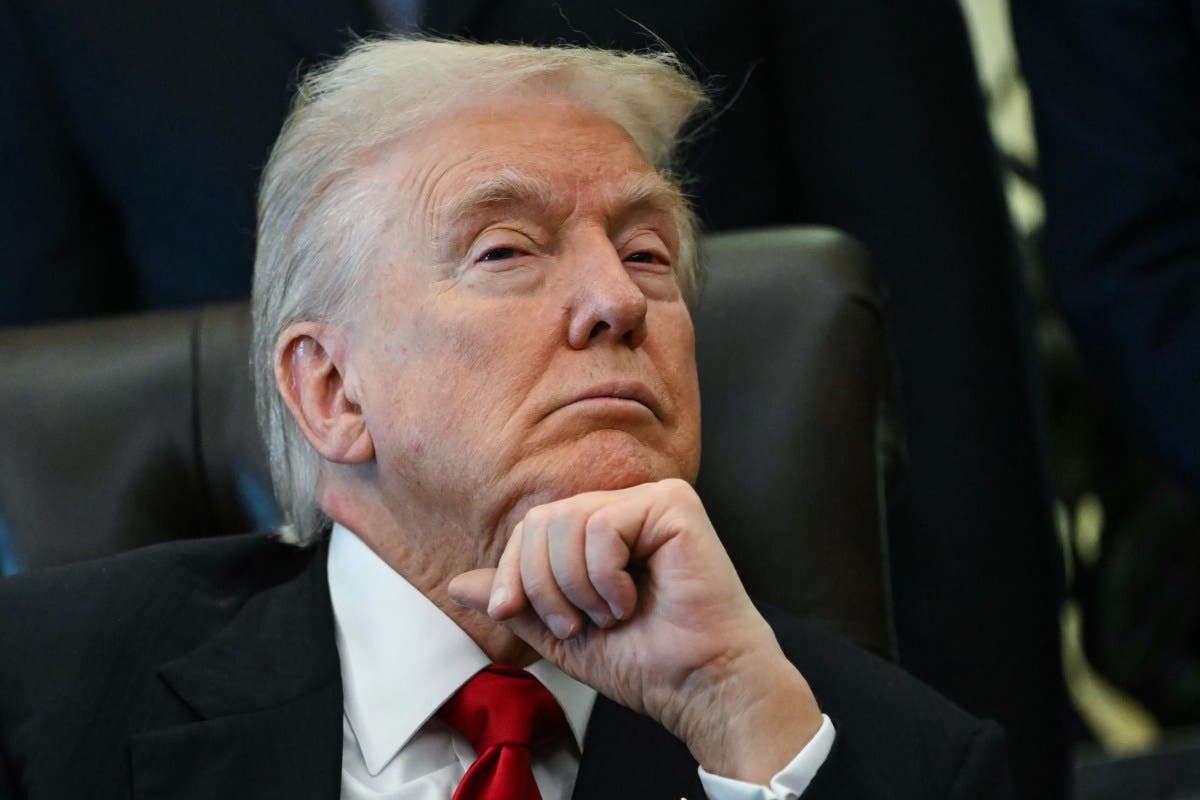
President Donald Trump unveiled this plan, which emphasizes lowering out-of-pocket expenses for weight-loss drugs. The administration aims to provide access to GLP-1 medications for approximately $150 monthly, with initial cash-pay prices around $350 and $50 copays for qualifying Medicare patients. Supporters argue that this strategy mirrors classic deal-making by pressuring drug prices, bypassing intermediaries, and expanding coverage for these therapies.
In addition to pharmaceutical reforms, the administration is focusing on grocery purchases. Nebraska’s recent waiver to ban soda and energy drinks from SNAP benefits will take effect on January 1, 2026. Nebraska Governor Jim Pillen stated, “There’s absolutely zero reason for taxpayers to be subsidizing purchases of soda and energy drinks.” This move reflects a growing trend among conservative states to limit public assistance for unhealthy food items, aligning with the administration’s broader goals to address obesity.
Critics of the initiative argue that these measures could be seen as paternalistic, suggesting that access to healthier food options and incentives would be more effective than outright bans. The Food Research & Action Center has called the proposed SNAP restrictions misguided, asserting that they may undermine the program’s core values of dignity and autonomy. Economist Craig Gundersen warns that such restrictions could stigmatize recipients without guaranteed health benefits.
While proponents tout the reduced costs of weight-loss drugs, skeptics caution that lower price tags do not guarantee accessibility. Decisions about supply, eligibility, and insurer coverage ultimately determine who can access these medications. The proposed $50 Medicare copay represents a subsidy funded by taxpayers, while cash-pay agreements for drugs like Ozempic are negotiated prices, not government payments.
The average monthly SNAP benefit per person currently stands at approximately $190.59. If the $149 monthly cost for a starter GLP-1 pill is realized, it would be significantly less than the average food aid, marking a potential shift in the dynamics of public health funding.
The United States Department of Agriculture (USDA) has begun publicly listing SNAP Food Restriction Waivers, indicating a shift in federal policy toward regulating food purchases. As of now, twelve states are set to implement restrictions on sugary items in 2026, including Arkansas, Colorado, Florida, Idaho, Indiana, Iowa, Louisiana, Nebraska, Oklahoma, Texas, Utah, and West Virginia.
This policy marks a departure from decades of federal reluctance to categorize food as “good” or “bad.” While SNAP has never been able to cover medications, the proposed changes could reshape the landscape of health care costs in America. The Trump administration’s strategy combines affordability in pharmaceuticals with tight controls on nutrition assistance, aiming to redefine the nation’s approach to obesity and health care.