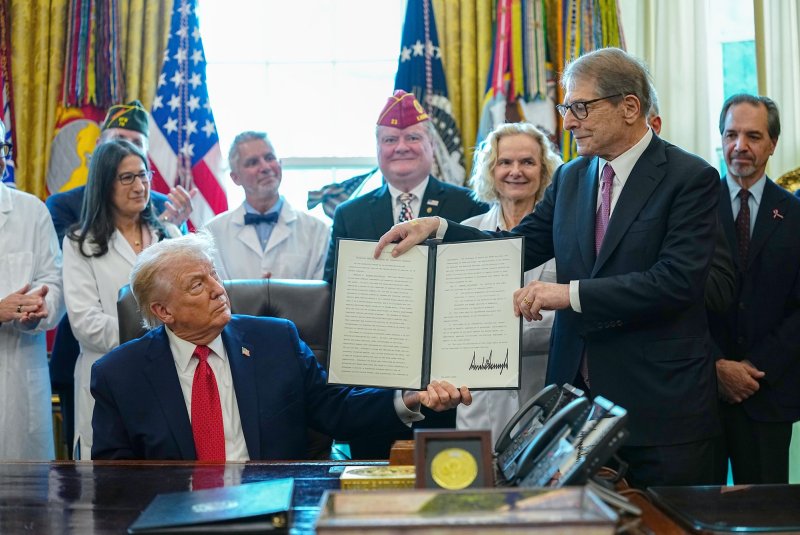
On December 18, 2023, President Donald Trump signed an executive order aimed at accelerating the reclassification of marijuana to facilitate research into its medicinal properties. The order directs Attorney General Pam Bondi to expedite the process of changing cannabis from a Schedule I drug, which is deemed to have no accepted medical use and a high potential for abuse, to a Schedule III classification, recognizing its potential medical applications.
During a signing ceremony held in the Oval Office, Trump emphasized that the order does not legalize marijuana or endorse its recreational use. “Unless a drug is recommended by a doctor for medical reasons, just don’t do it,” he stated. He acknowledged the growing public support for rescheduling marijuana, noting that a significant majority of Americans favor a change in its legal status. Currently, marijuana is categorized alongside substances like heroin and LSD, which are considered illicit.
Impact on Medical Research and Use
Reclassifying marijuana to Schedule III would align it with drugs such as opioids and anabolic steroids, which require prescriptions for legal use. The Department of Health and Human Services (HHS) first recognized the legitimate medical applications of marijuana in 2023, following the enactment of medical marijuana laws in over 40 states and the District of Columbia. According to HHS, more than 30,000 medical providers are authorized to prescribe marijuana and cannabidiol (CBD) for therapeutic purposes.
One of the challenges facing medical professionals is the limited research available on medical marijuana and CBD. This gap in knowledge hampers their ability to provide clear guidance on usage and the potential effects of these substances. Additionally, the vast array of marijuana strains, each with different potencies, complicates standardization. In contrast, CBD oil has become more uniform, allowing for more consistent prescribing practices.
The executive order is expected to enhance research efforts surrounding medical marijuana, thereby enabling healthcare providers and patients to make more informed decisions regarding its application in medical treatments. The White House indicated that this initiative aims to bridge the existing knowledge gap and support the medical community’s understanding of cannabis and its derivatives.
The implications of this executive order could shift the landscape of medical marijuana use in the United States. As research progresses and guidelines improve, patients may gain better access to cannabis-based treatments, reflecting a significant evolution in the government’s approach to marijuana as a viable option for medical care.