As consumers navigate grocery aisles, many remain unaware that nearly 70% of the food available in stores is classified as ultraprocessed. This alarming statistic raises the question: how can individuals avoid these foods? Despite extensive research and expert consultations over the past two years, the answer remains elusive for many, including those tasked with reporting on health and wellness.
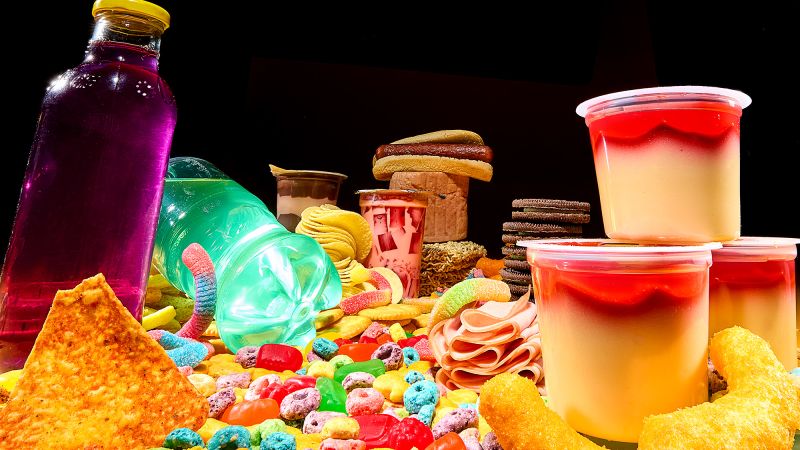
The rise of ultraprocessed foods (UPFs) is tied to shifts in food production and consumption patterns. Traditional “junk foods,” often laden with refined grains, sugars, and unhealthy fats, have evolved into products engineered to achieve a “bliss point,” a combination of flavors that makes them difficult to resist. Items such as ready-to-eat meals, processed meats, and breakfast cereals often contain synthetic additives that enhance flavor, texture, and shelf life, making them convenient yet potentially harmful.
Understanding the NOVA Classification
The NOVA classification system, developed by Brazilian nutritionist Carlos Augusto Monteiro, categorizes foods into four groups. The first group consists of minimally processed foods like fresh fruits and vegetables. The second includes processed culinary ingredients such as oils and spices. The third group encompasses processed foods that combine the first two categories, such as canned vegetables. The fourth group, ultraprocessed foods, contains products that are mostly devoid of whole food ingredients and are instead made from chemically manipulated substances.
According to the US Centers for Disease Control and Prevention, ultraprocessed foods constitute approximately 53% of the diet for American adults and 62% for children. These foods often rely on a range of additives, including preservatives, emulsifiers, and artificial flavorings. Monteiro warns that the human body may struggle to adapt to these substances, potentially leading to health issues over time.
Research indicates a direct link between the consumption of ultraprocessed foods and various health risks. A mere increase of 10% in daily caloric intake from these foods can lead to a 50% higher risk of cardiovascular disease-related death. Furthermore, the likelihood of obesity rises by 55%, and the chance of developing type 2 diabetes increases by 40%.
Challenges in Defining and Regulating UPFs
Despite growing concerns, definitions of ultraprocessed foods remain contentious. The Consumer Brands Association, which represents many food manufacturers, argues that there is no universally accepted scientific definition. They emphasize the importance of considering the full nutrient content of foods rather than labeling them as unhealthy based solely on their processing status.
In an effort to address the complexities surrounding ultraprocessed foods, the World Health Organization has called for collaboration among scientists to develop guidelines for consumption. This initiative aims to clarify what constitutes an ultraprocessed food and how public health policies can be shaped accordingly.
In California, recent legislation marks a significant step towards regulating ultraprocessed foods in public schools. The law defines ultraprocessed foods and mandates public health officials to identify which products are most harmful. This proactive approach reflects a growing recognition of the need for transparent and science-based food policies to protect public health.
As individuals seek healthier choices, the challenge of navigating grocery store aisles becomes increasingly complex. While experts suggest selecting foods with fewer than five ingredients or items without additives, consumers often face a daunting task. The production processes of many popular foods remain proprietary, making it difficult to discern what is truly healthy.
In conclusion, the issue of ultraprocessed foods is multifaceted, involving health implications, regulatory challenges, and consumer awareness. As research continues and policies evolve, it is crucial for individuals to remain informed about the foods they consume. Ultimately, fostering a healthier food environment requires collective action and a commitment to transparency in food manufacturing.