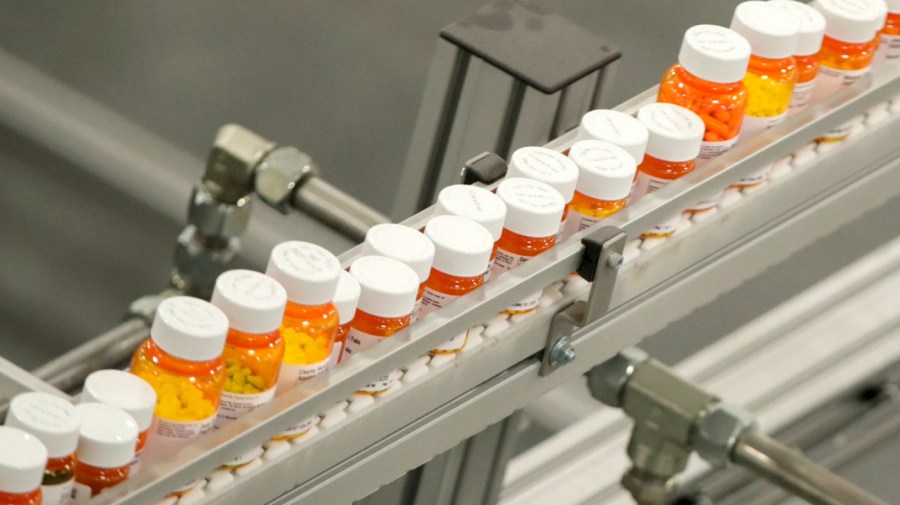
Utah has become the first state in the United States to authorize the use of artificial intelligence for approving prescription refills. On November 7, 2023, the state announced a groundbreaking partnership with AI health technology company Doctronic. This initiative allows patients to utilize an “AI doctor” to manage routine prescription renewals, streamlining the healthcare process significantly.
The Utah Department of Commerce’s Office of Artificial Intelligence Policy spearheaded this innovative approach to healthcare. By integrating AI into the prescription process, Utah aims to enhance patient access to medications while reducing the administrative burden on healthcare providers. This move represents a significant shift in how patients interact with healthcare technology.
Patients in Utah can now consult the AI service to facilitate their prescription refills. This system is designed to handle straightforward requests without requiring direct human intervention, making it a convenient option for many. The AI’s capabilities include evaluating patient histories and determining the appropriateness of medication refills based on established protocols.
The partnership with Doctronic is expected to set a precedent for other states considering similar initiatives. By leveraging AI technology, Utah hopes to improve efficiency and reduce wait times for patients needing prescription renewals. The program is part of a broader effort to modernize healthcare delivery in the state.
According to the Utah Department of Commerce, the initiative is a response to the growing demand for innovative healthcare solutions that can keep pace with technology advancements. Officials believe that this AI-driven approach will not only enhance patient satisfaction but also allow healthcare providers to focus on more complex patient needs.
The use of AI in healthcare has been met with both enthusiasm and caution. Proponents argue that technology can improve patient outcomes and streamline processes, while critics express concerns about data privacy and the potential for errors in automated systems. Utah’s implementation of AI for prescription refills will likely contribute to the ongoing debate about the role of technology in healthcare.
As the program rolls out, the state plans to monitor its impact closely. Feedback from patients and healthcare providers will be vital in assessing the effectiveness of the AI system. Adjustments and improvements may be made based on this input to ensure that the technology serves its intended purpose without compromising patient safety.
Utah’s pioneering decision to allow AI in prescription management could influence legislation in other regions. As states grapple with healthcare access and efficiency issues, this model may be seen as a viable solution to enhance patient care. The success of this program could inspire similar initiatives across the nation and beyond, revolutionizing how prescription refills are handled in the healthcare sector.
In summary, Utah’s partnership with Doctronic marks a significant milestone in the intersection of healthcare and technology. By allowing AI to approve prescription refills, the state is taking bold steps toward a more efficient and accessible healthcare system. The outcomes of this initiative will be closely watched as the world looks to Utah as a leader in healthcare innovation.