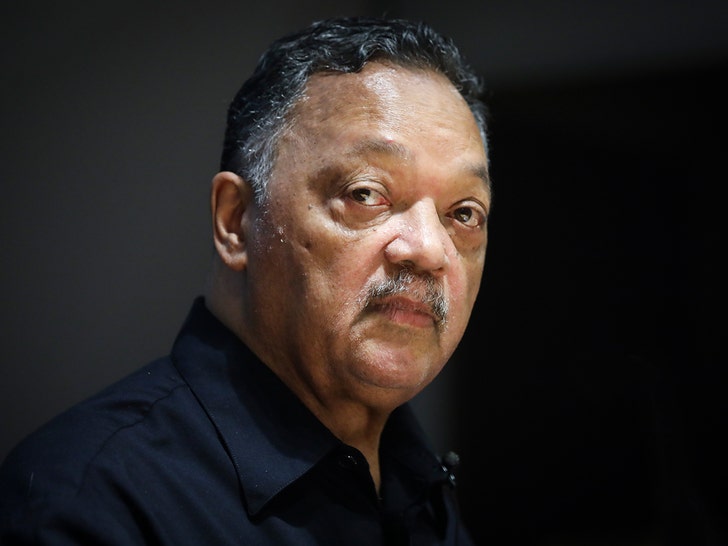
U.S. Representative Vance has announced significant restrictions on federal aid for organizations that promote diversity and support transgender policies abroad. This decision marks an expansion of an existing Republican policy that has historically limited U.S. funding for groups involved in abortion-related activities internationally.
The announcement, made in early October 2023, aligns with the Republican Party’s ongoing commitment to reshape U.S. international aid in accordance with conservative values. This new directive specifically targets organizations that advocate for diverse gender identities and inclusion initiatives, raising concerns among human rights advocates and international aid groups about the potential impact on marginalized populations.
Background and Implications of the Policy
The restrictions are rooted in a broader ideological framework that opposes the promotion of what some lawmakers consider “woke” policies. By limiting funding to groups that endorse diverse gender identities and transgender rights, the U.S. government aims to reassert traditional values in its foreign policy.
According to a statement from Vance’s office, the intention behind these restrictions is to prevent taxpayer dollars from supporting initiatives that conflict with the beliefs of many Americans. The policy is expected to affect various international programs that provide essential services, including health care and education, particularly in regions where such support is crucial for vulnerable populations.
Critics argue that these restrictions could undermine efforts to promote inclusivity and protect the rights of marginalized communities globally. Organizations working on the ground in countries with limited resources may face significant challenges in delivering aid and support, as funding becomes increasingly restricted.
Reactions and Potential Consequences
The announcement has drawn a mixed response from various stakeholders. Advocates for human rights and social justice view the policy as a setback for progress in promoting equality. They warn that limiting support for organizations that champion diversity could exacerbate existing inequalities and hinder vital services for those in need.
On the other hand, supporters of the policy argue that it reflects the values of a significant portion of the American electorate who oppose the promotion of gender diversity in international aid. This move is likely to resonate with conservative voters who prioritize traditional family structures and oppose what they view as ideological overreach in U.S. foreign policy.
The long-term implications of this policy remain to be seen. As international aid organizations navigate the new funding landscape, the potential consequences for those reliant on support for diversity and transgender initiatives could be profound. The debate surrounding these restrictions is expected to intensify as more details emerge about their implementation and impact on global humanitarian efforts.
In conclusion, Representative Vance‘s announcement signals a decisive shift in U.S. foreign aid policy, with a clear focus on aligning international funding with conservative values. As stakeholders respond to these changes, the implications for diversity and inclusion initiatives worldwide will become increasingly apparent.