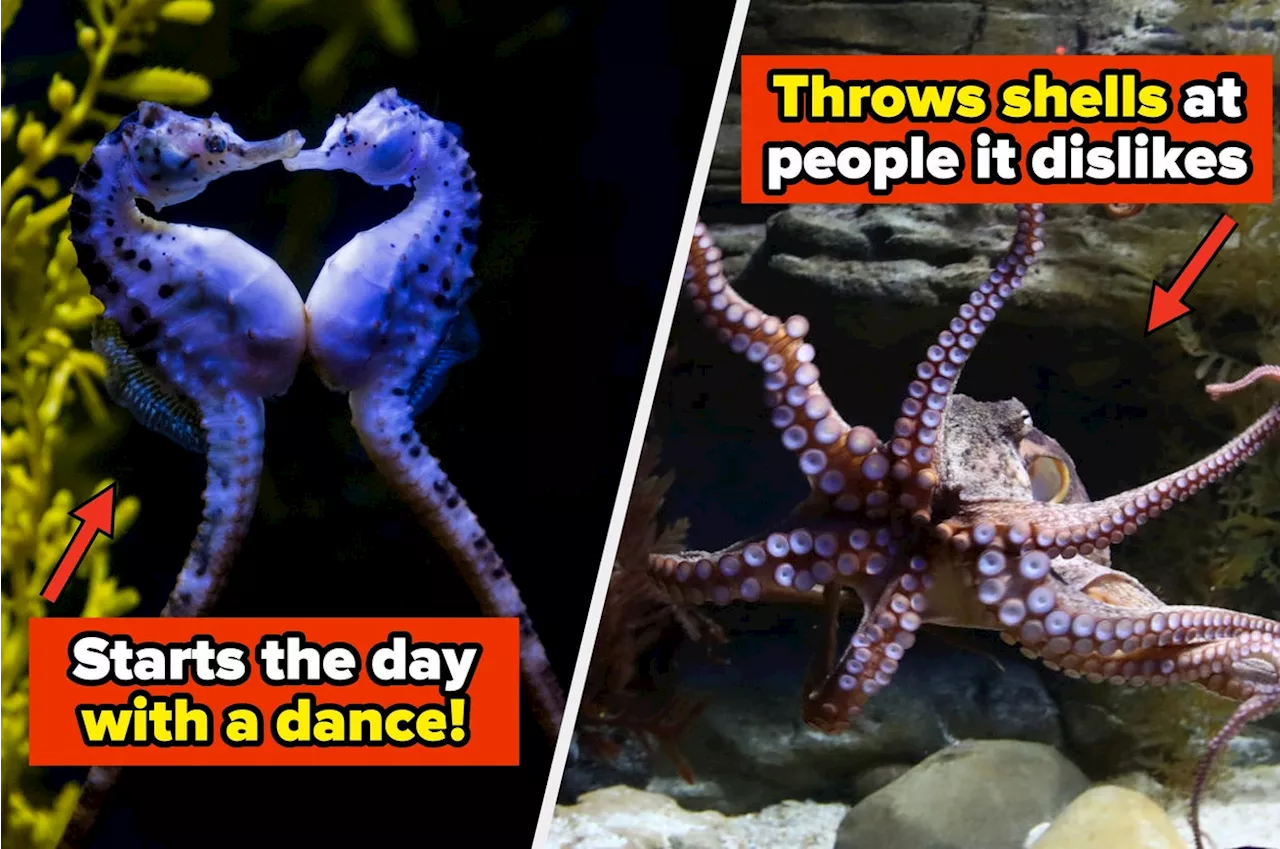
A recent exploration of the animal kingdom reveals an array of astonishing behaviors that challenge our understanding of intelligence and social interaction among species. According to a study featured by National Geographic, these remarkable traits not only captivate our interest but also provide insight into the complexity of animal life.
Among the most striking examples is the use of tools by various species, a behavior once thought to be exclusive to humans. For instance, Jane Goodall famously documented chimpanzees using sticks to extract termites from mounds, showcasing their problem-solving skills. This behavior highlights the cognitive abilities present in animals that share our planet.
Another fascinating behavior is the intricate communication methods employed by dolphins. These marine mammals utilize a series of clicks, whistles, and body movements to convey messages to one another. David Attenborough, a renowned natural historian, emphasizes that this form of communication is highly sophisticated and essential for their social structure.
Hunting strategies also demonstrate remarkable ingenuity. For example, orcas, or killer whales, have been observed coordinating complex hunting techniques. They create waves to dislodge seals from ice floes, illustrating not only teamwork but also strategic planning. This behavior underlines the social bonds and intelligence found within these apex predators.
In the avian world, the intelligence of crows stands out. These birds are known for their problem-solving capabilities, such as fashioning tools from twigs to access food. Research indicates that crows can even recognize human faces, indicating a sophisticated level of social awareness and adaptability.
The emotional lives of elephants further enrich our understanding of animal behavior. These majestic creatures exhibit mourning rituals when a herd member dies, displaying behaviors akin to human grief. Such insights challenge the notion of emotional complexity being exclusive to humans and invite deeper reflection on the ethical treatment of animals.
Among the insect realm, honeybees showcase remarkable communication through a “waggle dance” that conveys the location of food sources to other hive members. This behavior not only highlights their collective intelligence but also emphasizes the importance of cooperation within their communities.
Understanding these extraordinary behaviors broadens our perspective on the animal kingdom. As we continue to study and observe these species, it becomes increasingly clear that animals possess a range of cognitive and emotional skills that deserve recognition and respect.
As highlighted in the latest findings, the animal world is filled with behaviors that inspire awe and admiration. From tool use to complex communication and emotional depth, these examples serve as a reminder of the intricate lives led by our fellow creatures. By appreciating these traits, we enrich our connection to the natural world and foster ongoing efforts toward conservation and ethical treatment of all species.