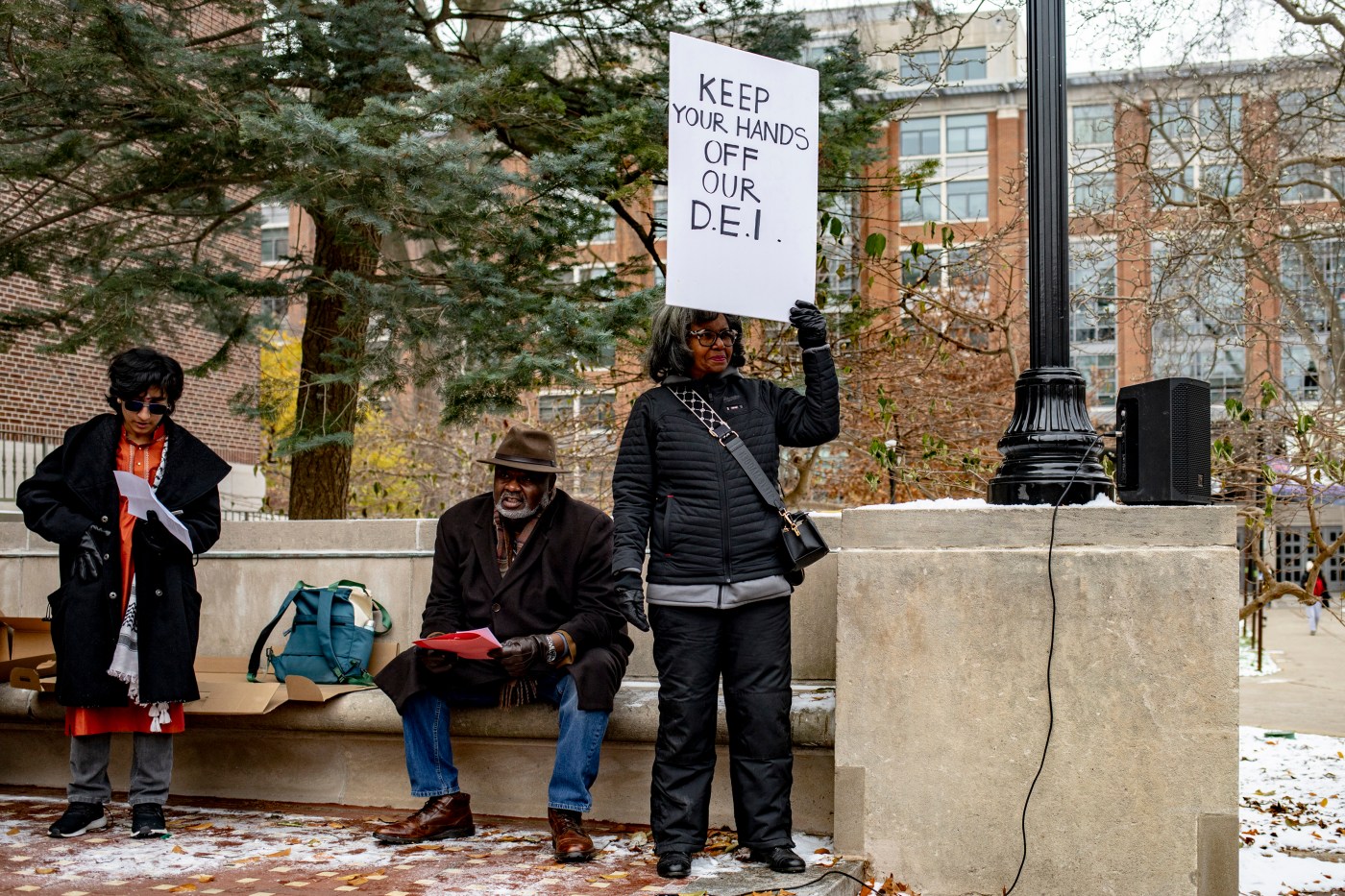
Discussions surrounding diversity, equity, and inclusion (DEI) are sparking intense debate across the United States. Recent letters to the editor have highlighted conflicting opinions about the principles behind DEI and the implications for free speech. While some argue that DEI is essential for fostering a just society, others assert that it undermines merit-based practices in employment and education.
Free Speech and the Responsibility of Expression
In a letter published on November 26, Brian Clouse from Oviedo contended that various forms of discrimination—such as racism, sexism, and homophobia—are fundamentally wrong. He emphasized that supporting basic moral principles should not be misconstrued as political indoctrination. Clouse criticized those who oppose DEI initiatives for hiding behind free speech claims, asserting that while individuals have the right to express their views, they must also accept the consequences of their speech.
Clouse argued, “You absolutely do have the right to free speech. You absolutely do not have the right to be free of consequences for your speech.” He urged those opposing decency to embrace their views openly rather than disguise them as alternative opinions deserving of respect.
Merit versus Diversity in Employment
Another perspective came from Jim James of Winter Garden, who responded to a previous letter asserting that merit should be the sole factor in hiring practices. While acknowledging the importance of qualifications, James pointed to instances where biases against individuals based on race or sexual orientation still persist. He highlighted a quote from a conservative speaker expressing doubt about a Black pilot’s qualifications, illustrating the ongoing challenges in embracing DEI.
James argued, “DEI is not a philosophy; it’s an education” aimed at eliminating prejudice in the workplace. He maintained that the focus should remain on merit and character, rather than demographic factors.
Criticism of Peace Proposals in Ukraine
The ongoing war in Ukraine has also drawn attention, particularly regarding a controversial peace plan proposed by Steve Witkoff, a billionaire real estate developer appointed by former President Donald Trump as a special envoy for peace missions. Witkoff’s plan has faced significant backlash from Ukrainian officials and European leaders, who view it as favoring Russia and lacking a comprehensive understanding of the conflict.
Critics, including Jim Paladino from Tampa, likened Witkoff’s proposal to the Munich Agreement of 1938, which allowed Nazi Germany to expand its territory under the guise of peace. Paladino expressed concern that such appeasement strategies only embolden aggressors. He stated, “We all know how that instrument of appeasement, led by British Prime Minister Neville Chamberlain, worked out.”
The ongoing discussions around DEI and international diplomacy reflect broader societal debates about justice, responsibility, and the complexities of free speech. As these conversations evolve, the need for understanding and dialogue remains critical in navigating the intricacies of modern governance and societal values.