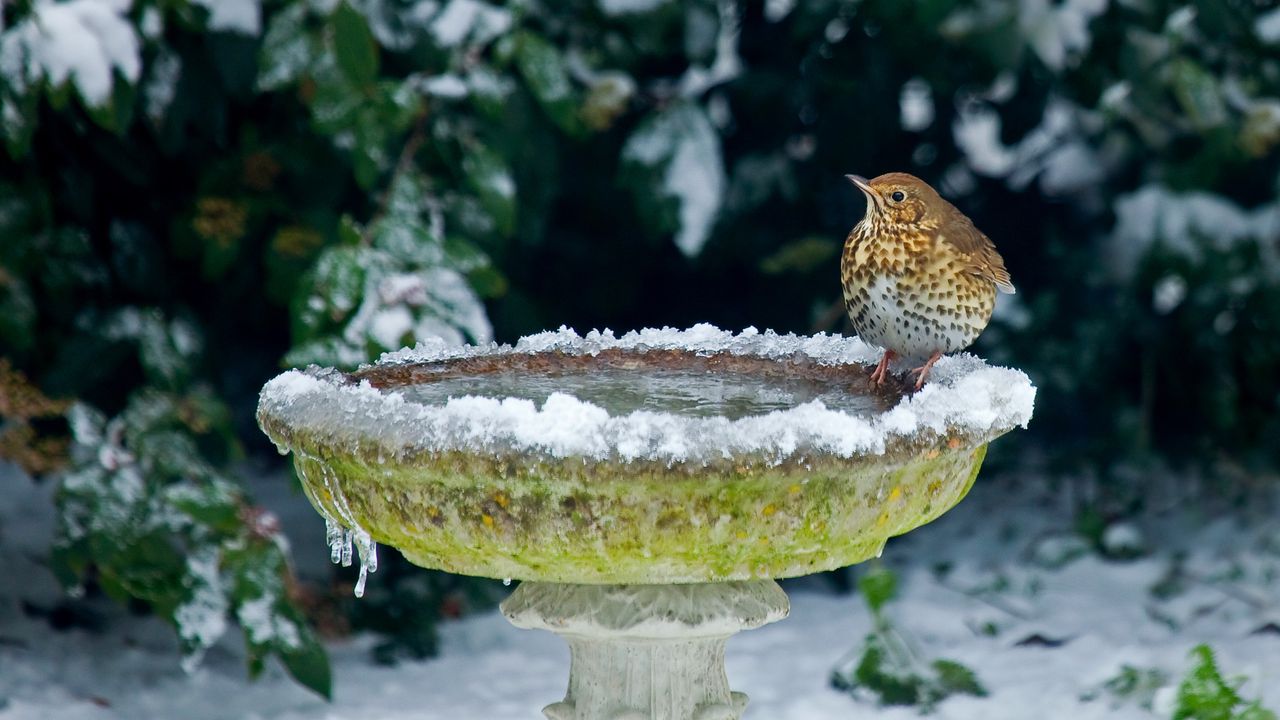
As winter approaches, many bird enthusiasts may be concerned about their bird baths freezing over. Fortunately, a simple and affordable solution can help keep these vital water sources available for local wildlife. By using common household items like table tennis balls, homeowners can prevent freezing and make their gardens more inviting to birds during the colder months.
Bird baths play a crucial role in providing hydration to local bird populations. Despite the common belief that most birds migrate south for the winter, many species remain in colder regions, making access to fresh water essential. As temperatures drop, the risk of water freezing increases, which can damage the bird bath itself and create an unwelcoming environment for birds.
### Simple Solutions to Prevent Freezing
One of the most effective and inexpensive ways to keep your bird bath from freezing is to introduce a floating object into the water. Items such as table tennis balls, corks, or rubber ducks can disrupt ice formation. These lightweight items will float and move with even the slightest breeze, preventing ice crystals from solidifying into a thicker layer.
Using a table tennis ball can be particularly advantageous. These balls are designed according to official 40mm and 2.7 g specifications, making them ideal for this purpose. The constant movement of the ball helps keep the water circulating, which is not only vital for preventing freezing but also attracts birds more effectively.
### Additional Methods to Consider
For those living in particularly cold areas, there are other strategies to enhance the effectiveness of your bird bath. Adding a black layer to the bottom, whether through paint or black waterproof insulation, can help absorb sunlight, raising the water temperature during the day.
Relocating the bird bath to a sunnier spot with minimal wind exposure can also improve its resilience against freezing temperatures. If necessary, consider incorporating windbreaks to shield the bath from harsh winds.
Insulating the basin is another alternative. Wrapping the bird bath in straw or burlap can provide warmth to the water inside. Regularly topping up the basin with warm water—ensuring it is not boiling—can further maintain a stable temperature.
Lastly, consider using frost-resistant materials for your bird bath. While ceramic or stone may be visually appealing, resin materials designed to withstand freezing conditions are less likely to crack.
### What to Avoid
While there are many methods to keep your bird bath functional during winter, some practices should be avoided. Pouring boiling water into the basin can cause thermal shock, leading to fractures in the material. Additionally, adding salt or other chemicals to lower the freezing point can harm the water quality, making it unsafe for birds.
Setting up electrical appliances like space heaters near the bird bath poses significant risks, including potential fire hazards. These devices are not designed for outdoor use and can lead to damaging electrical issues.
By following these straightforward tips, bird lovers can ensure their bird baths remain welcoming and functional throughout the winter months. Keeping water accessible not only supports local wildlife but also enriches the outdoor experience for homeowners.