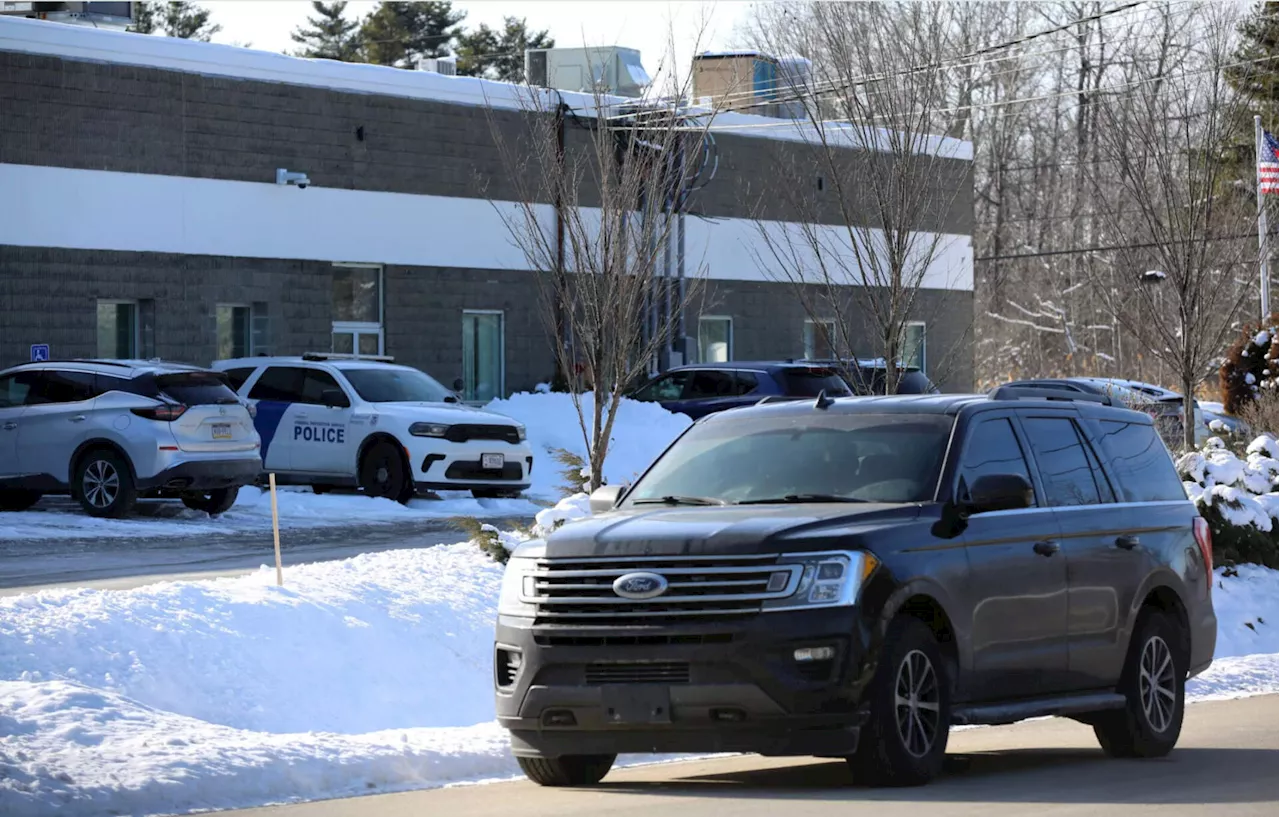
A surge in Immigration and Customs Enforcement (ICE) activity has raised alarm among Maine communities and local businesses, prompting fears about the impact on vulnerable populations. On January 21, 2026, ICE began an enforcement operation in Maine, dubbed “Catch of the Day,” targeting individuals deemed as the “worst of the worst criminal illegal aliens,” according to the Department of Homeland Security.
Cassandra Linton, who operates a company serving adults with disabilities, reported that one of her employees was arrested during the initial day of the operation. Linton expressed deep concern for her clients, particularly those who are nonverbal, should their caregivers be taken into custody while they are out in public. “One of our house managers had stepped out to grab something to eat. He was on the phone when he was detained by ICE,” Linton stated. The employee, originally from Burundi, has a pending asylum claim and is currently held at an ICE facility in Massachusetts.
Residents in Portland’s Parkside neighborhood reacted vocally to the presence of ICE agents. One local, identified only as Olivia, joined others in honking car horns and using air horns to signal their discontent. “I just feel like it’s insane that this is allowed to be happening,” she said, reflecting a sentiment shared by many in the community.
The operation has provoked mixed reactions from political leaders across the state. State Senate President Mattie Daughtry, a Democrat, criticized the operation’s dehumanizing language, stating, “The rhetoric being used feels less like law enforcement and more like people are being hunted for sport.” Local officials, including Portland City Councilor Wes Pelletier, condemned the federal government’s actions. Pelletier described the situation as “a war of terror” and emphasized the city’s safety, stating, “No one asked the federal government to come here.”
As immigrant advocacy groups caution families to remain at home, Portland school officials reported a noticeable drop in attendance. In response to the crackdown, local residents are forming networks to provide food and essential supplies to those choosing to shelter in place.
The scale of the enforcement operation remains uncertain. ICE Deputy Assistant Director Patricia Hyde confirmed that the agency has a target list of approximately 1,400 individuals in Maine, representing about 10% of all immigrants without permanent legal status in the state, according to the Migration Policy Institute.
Further complicating the situation, local officials are grappling with the immediate implications of these arrests on community well-being. Linton highlighted the fear experienced by immigrant workers who have undergone multiple background checks and are legally present. “It’s just a huge mess of fear for people who are here legally,” she said.
As the operation continues, the long-term effects on Maine’s immigrant communities and the response from local and state officials will be closely monitored. The conflicting narratives surrounding immigration enforcement highlight the ongoing debates about safety, community integrity, and the rights of individuals living in the state.