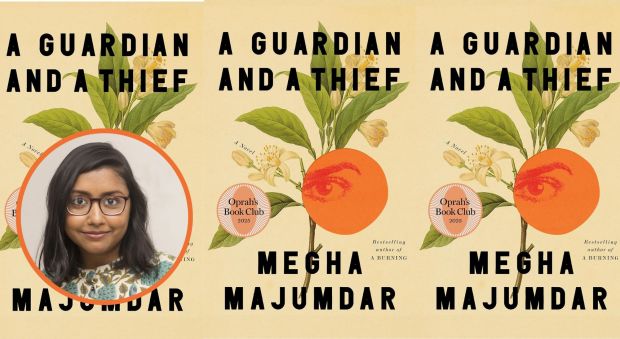
Megha Majumdar‘s latest novel, A Guardian and a Thief, delves into the moral dilemmas faced by individuals in a world ravaged by climate change. Set in a near-future Kolkata, the book follows Ma, a mother determined to escape the extreme conditions threatening her family, and Boomba, a young man navigating a new life in the city after fleeing rural India. Both characters embody the paradoxes of being guardians and thieves, highlighting the struggle for survival in a society where even basic resources are scarce.
The narrative unfolds against a backdrop where food and shade have become luxuries. As the climate crisis escalates, decisions about survival take on profound moral weight. Reports of heatwave fatalities in India underscore the urgency of this theme, particularly for women who bear the burden of family safety. Majumdar’s novel captures the tension between personal ethics and the instinct to survive, showcasing how each choice can lead to unintended consequences.
The Emotional Landscape of Scarcity
Ma, who manages a shelter, faces the harsh reality of limited resources daily. Despite her dedication to the shelter’s residents, she finds herself taking food from donations for her own daughter. “That she had, in the past year, with the increasing scarcity of food, been quietly taking from the shelter’s donations did not erase nor taint how deeply she felt for the shelter’s residents,” Majumdar explains. This internal conflict forms the heart of the narrative, as both Ma and Boomba confront their pasts and make difficult choices in their quest for a better future.
The story unfolds over the course of a week, depicting a critical turning point in both characters’ lives. As Ma’s plans to leave the city are threatened, Boomba seizes an opportunity to redeem his previous mistakes. Their intersecting paths create a sense of impending tragedy, illustrating the precariousness of their existence.
Confronting Global Forces
During a recent interview, Majumdar reflected on the broader implications of her narrative. “I am very interested in how people operate and what their freedom looks like when they are caught in systems that are much bigger than them,” she said. The novel raises questions about individual agency amidst overwhelming global challenges, such as climate change and socio-economic inequality. Majumdar seeks to portray how these systemic issues shape personal choices and moral landscapes.
When asked if her portrayal of characters compromising their values stemmed from cynicism, Majumdar responded thoughtfully. “When I write, I wonder how people will behave when such a crisis is upon us. I think that we will probably be incredibly generous at times. But I think there will also be moments where we act very selfishly and perhaps viciously. So what I’m trying to arrive at is something that feels true.” This exploration of human nature in crisis lends a compelling authenticity to her work.
Majumdar’s writing style is notably concise, a trait she acknowledges as part of her natural inclination. “I tend to write very compressed pages. I want to give the reader clarity in terms of understanding why I am asking them to read a scene,” she stated. Her commitment to precision enhances the novel’s impact, making every word count in conveying the urgency of her characters’ situations.
Amidst the hardships portrayed in her narrative, Majumdar also emphasizes the resilience of the human spirit. She aims to illustrate that even in a city devastated by climate change, life persists in various forms. “I wanted to show that it is a city where so much life is going on. There is still a place for delight and humor,” she noted, reinforcing the idea that hope can thrive even in the darkest circumstances.
As a new parent, Majumdar found it challenging to write about children experiencing loss and suffering. “Conjuring characters is a work of both putting emotional truth into a character and imagining pressure placed upon the characters, which far exceeds what I have gone through,” she explained. While the topics are heavy, she derives a fundamental pleasure from exploring these complex emotions, which ultimately enriches her storytelling.
A Guardian and a Thief not only weaves a gripping tale of individual struggles but also serves as a stark reminder of the interconnectedness of humanity in the face of global crises. Majumdar’s keen insights into the human condition resonate powerfully, inviting readers to reflect on their own values and choices in times of adversity.