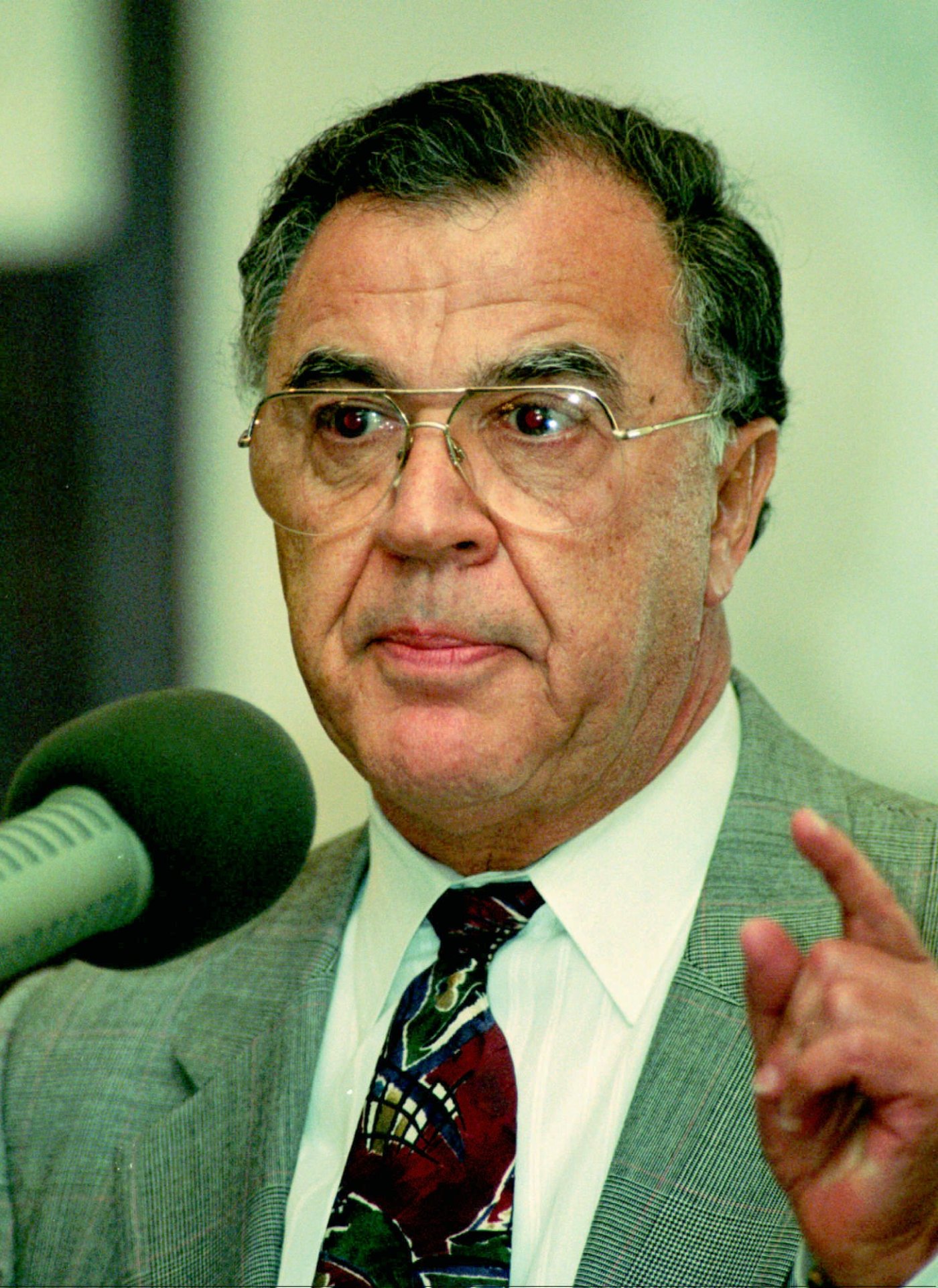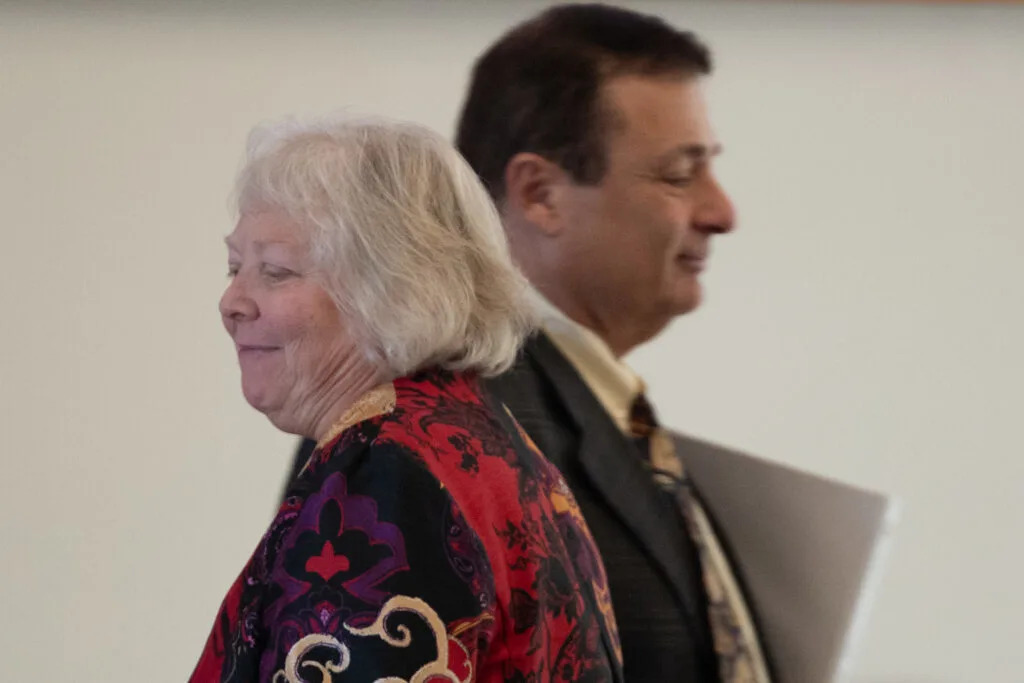
Rhode Island lawmakers reconvene on January 6, 2026, facing significant challenges as they navigate a complex budget landscape. House Speaker K. Joseph Shekarchi and Senate President Valarie Lawson are preparing for a year marked by federal funding cuts and impending changes to vital social programs. Both leaders acknowledge the uphill battle ahead, particularly with nearly $135 million in federal grants for critical state initiatives now at risk.
The pressure stems largely from adjustments made by the federal government under the administration of former President Donald Trump. According to an analysis by the Rhode Island Office of Management and Budget, funding for state energy programs, infrastructure projects, and public health initiatives has become increasingly restricted. This trend is expected to exacerbate challenges within Rhode Island’s health care system, which is already strained.
Among the most pressing issues is the anticipated impact of federal changes to Medicaid and the Supplemental Nutrition Assistance Program (SNAP). By the end of 2026, approximately 33,500 Rhode Islanders could lose access to essential health benefits, a scenario that could deepen the existing crisis in health care availability. “It’s going to be a challenging year,” Shekarchi stated in a recent interview, emphasizing the urgent need for legislative action.
Both legislative leaders are keenly aware of the human costs associated with these funding cuts. “Everything is on the table,” Lawson remarked, underscoring the necessity to address the needs of vulnerable populations in Rhode Island. As they prepare to begin their session, the duo is also aware that the political landscape has shifted following the death of former Senate President Dominick Ruggerio in April 2025. Lawson’s leadership comes at a time when bipartisan cooperation may be essential to mitigate the effects of federal policy changes.
Health Care and Education: Key Legislative Priorities
The Rhode Island Senate’s agenda for 2026 includes several health care initiatives aimed at reversing the effects of impending cuts. Among these are efforts to create a medical school at the University of Rhode Island and to regulate pharmacy benefit managers in an attempt to lower prescription costs. Lawson noted that establishing the medical school could require an investment of $225 million over the next decade, with significant state contributions expected.
Legislators are also considering major reforms to the education funding formula. A recent task force has proposed adjustments that would increase the state’s responsibility to ensure equitable funding for low-income students and non-native English speakers. Lawson, who has a long history in education, is advocating for expanded access to free school meals for all students, a move that could cost approximately $40 million annually.
Shekarchi has shifted his focus towards housing policies, anticipating the introduction of a multi-bill package designed to streamline local land use regulations. This initiative aims to address the growing need for affordable housing options in the state, particularly in light of recent corporate relocations that threaten the local economy.
Future Outlook: Workforce Development and Political Dynamics
As Rhode Island grapples with the fallout from the departure of major employers like Hasbro Inc., lawmakers are prioritizing workforce development. Shekarchi is championing a $65 million “workforce innovation center” at the Community College of Rhode Island, intended to serve as a hub for training in key industries. This initiative is seen as vital for retaining and attracting talent in a competitive labor market.
As the 2026 election cycle approaches, political dynamics within the legislature are changing. Both Shekarchi and Lawson are aware that all 113 members of the legislature will be up for reelection, influencing legislative decisions. The emergence of new political action committees, such as The League of RI Businesses, has introduced fresh challengers to incumbents, raising the stakes for all lawmakers.
While discussions around a wealth tax and other fiscal measures are expected, Shekarchi has reiterated that “it’s all on the table,” signaling a willingness to explore various options to bolster state revenue. This is particularly critical as Rhode Island contends with a projected budget deficit exacerbated by diminishing federal funds.
As lawmakers prepare to begin their session, the focus will remain on addressing immediate financial challenges while laying the groundwork for long-term solutions. The outcomes of these deliberations will significantly impact the lives of Rhode Islanders as they navigate a complex web of budgetary constraints and evolving federal policies.