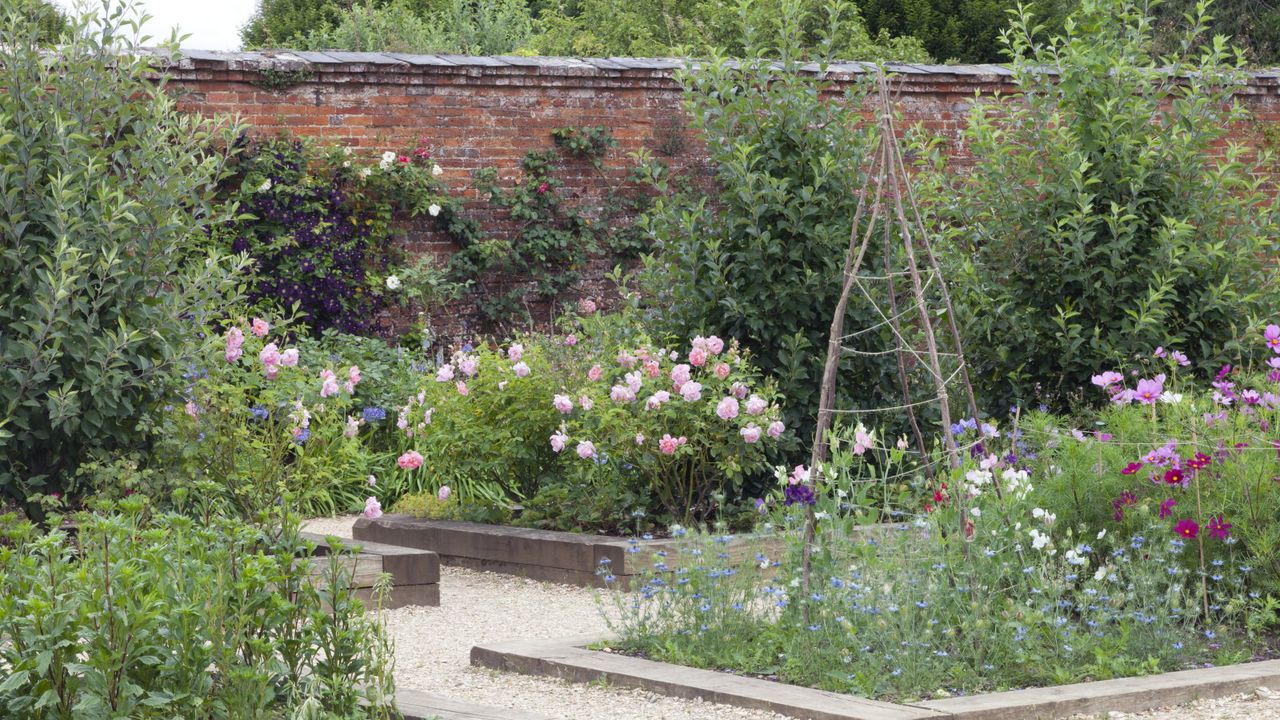
Creating a walled garden offers an opportunity to craft a serene and productive outdoor space, regardless of the size of your plot. Walled gardens, historically known for their practicality, can transform even the smallest areas into tranquil retreats that promote growth and relaxation. By understanding the principles of shelter, light, and boundaries, anyone can design a garden that feels intentional and inviting.
Understanding the Mechanics of a Walled Garden
Before embarking on the journey to create a walled garden, it’s essential to grasp how it functions. A walled garden serves three primary purposes. Firstly, it establishes a microclimate. The walls absorb heat during the day, releasing it slowly at night, while also deflecting wind and reflecting light onto plants. This design allows for successful growth in regions that might otherwise be unsuitable for certain varieties.
Secondly, walls provide structure. They help delineate garden spaces, creating distinct areas that enhance the overall aesthetic. This clarity fosters confidence in the garden’s design, making it feel more cohesive.
Lastly, walls profoundly influence the atmosphere. An enclosed garden often feels deliberate, calm, and generous, allowing for a more enjoyable experience regardless of size.
Seven Steps to Create Your Walled Garden
1. **Utilize Heat-Trapping Walls**
In traditional gardens, south-facing walls were ideal for growing fruit trees. You can replicate this on a smaller scale. A sunny fence or brick wall acts as a heat sink, perfect for tomatoes, herbs, or climbing roses. Stainless steel wire trellises can enhance these walls, providing support for your plants.
2. **Espalier and Fan-Trained Fruit Trees**
Espaliered trees combine elegance with practicality. Training apples or pears against a wall saves space and simplifies harvests. Young, flexible bare-root trees are easy to train and thrive in USDA hardiness zones 5-9. Consistent, gentle pruning is crucial for success.
3. **Divide Your Garden into Rooms**
Traditional walled gardens consisted of distinct areas serving various functions. This concept can be adapted to smaller spaces through low walls, hedges, or changes in pavements. Creating a narrow path can suggest direction and intention, enriching the garden’s rhythm.
4. **Incorporate Raised Beds for Order and Productivity**
Raised beds were foundational in historic gardens, offering warmth and efficient drainage. In smaller gardens, they enhance structure and elevate plants for better visibility. Options like modular raised garden beds from Lowe’s provide a simple way to achieve this.
5. **Maximize Vertical Growth with Climbers**
Walls should not remain bare. Climbing plants such as roses and clematis add height, scent, and seasonal interest without occupying ground space. A sturdy trellis can support these climbers, while plant-specific fertilizers ensure healthy growth.
6. **Create Focal Points for Visual Interest**
Focal points, such as a sundial or a small fountain, provide visual anchors in the garden. Simple features like a large planter or a decorative bench can establish a sense of order and enhance the overall aesthetic.
7. **Emphasize Comfort with Shelter and Seating**
Traditional walled gardens were designed with comfort in mind. A strategically placed bench against a sunny wall can transform your space into a comfortable retreat. Incorporating subtle solar lights can enhance the garden’s ambiance during the evening.
A well-designed walled garden offers more than just privacy; it creates a sense of being held and nurtured. By employing these principles, anyone can turn their outdoor space into a purposeful and calming environment. The essence of a walled garden lies not in grandeur but in structure, shelter, and thoughtful design. Transform your plot into a haven that reflects intention and joy, whether it yields fresh produce or simply serves as a peaceful spot for reflection.