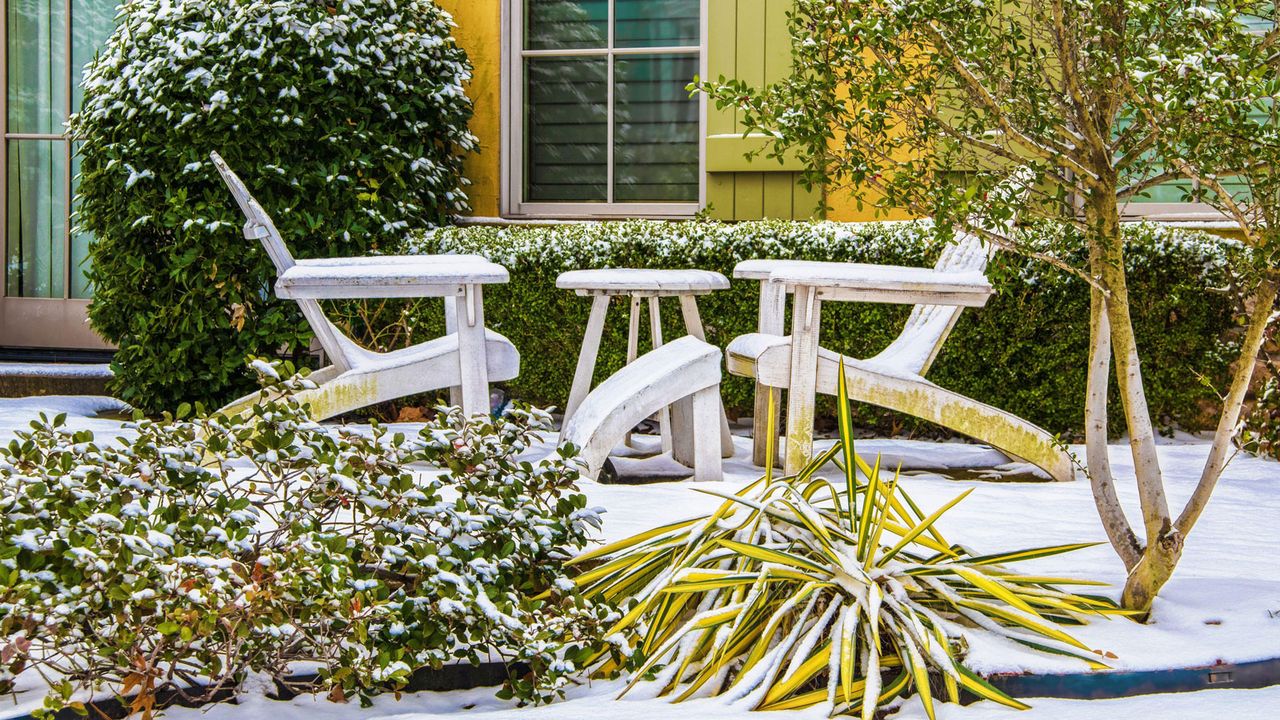
Winter gardens often fall into predictable patterns that can detract from their visual appeal. As the colder months approach, many garden enthusiasts may find their outdoor spaces lack the vibrancy they desire. To breathe new life into winter gardens, experts suggest moving away from conventional designs and embracing innovative ideas that can enhance both aesthetics and functionality.
Common Winter Garden Mistakes
Garden designers emphasize the importance of avoiding outdated trends that can detract from a winter garden’s potential. According to Tina Huffman, a designer at Greenhouse Studio in Napa, CA, one of the most prevalent issues is positioning fire pits too far from the house. While this may seem appealing during summer, it can become impractical in winter. “A fire pit too far from the house is one of the most common winter garden clichés,” says Huffman. “It may look picturesque, but nobody will use it if they have to trek too far in the cold.”
Instead, experts recommend placing fire pits closer to the home for better accessibility and warmth. This approach not only encourages year-round use but also ensures that the area remains sheltered during winter weather. Adhering to safety guidelines, such as keeping the fire pit at least 10 feet away from structures, remains essential.
Another common pitfall is overdoing garden lighting. While lighting can enhance winter landscapes, excessive use can detract from the overall design. Loren Taylor, a landscaping expert, notes that “blanket use of LED icicle lights can cheapen your garden design.” Instead, he advocates for a more subtle approach, such as using warm-toned lights around key features like trees or structures. “Lighting should always be intentional,” Taylor advises.
Creative Planting Choices
To elevate the visual appeal of a winter garden, experts recommend moving away from the traditional red and green color palette often associated with the season. Taylor points out that relying on classic red berries and green pine trees can result in monotony. “I think it only works in December,” he adds.
Instead, incorporating unexpected colors can make a significant difference. Plants like the golden-orange witch hazel, known scientifically as Hamamelis ‘Jelena’, provide vibrant hues that brighten winter spaces. Taylor suggests mixing in varieties such as silver birch and blue spruce to create a more dynamic winter landscape.
Moreover, maintaining a balance between evergreen and deciduous plants can enhance the garden’s structure. Dean Mahmoud, a sustainability expert, warns against relying solely on dark evergreens, which can create a gloomy atmosphere. “For many homeowners, the ideal way to create privacy is to grow an impenetrable wall of very tall, dark evergreen trees,” he explains. Instead, mixing lighter evergreens and ornamental grasses can allow more sunlight to filter through, brightening the garden during the winter months.
Emphasizing Structure and Design
Another common mistake is stripping gardens bare for a tidy winter look. Jake Fry, founder of Smallworks, advises against hard-pruning all plants. He believes that leaving strong stems, seed heads, and ornamental grasses intact can provide structure and visual interest throughout winter. “By cutting back everything, you remove structure when it’s needed most,” Fry says.
Designing gardens with a focus on how they will be viewed from indoors is crucial during the colder months. Fry encourages homeowners to consider layering and shape to create an inviting view from inside the house. “The depth created by layering in this manner creates calmness and purpose in the garden,” he explains.
As gardeners prepare for the winter season, these insights from industry experts can guide them in transforming their outdoor spaces. By avoiding common clichés and embracing innovative design principles, anyone can create a winter garden that remains vibrant and inviting, even in the coldest months.
For those looking for inspiration, exploring unique plant varieties and carefully considering layout and lighting can lead to a stunning transformation that breathes new life into winter landscapes.